SustainabilityPacific Original
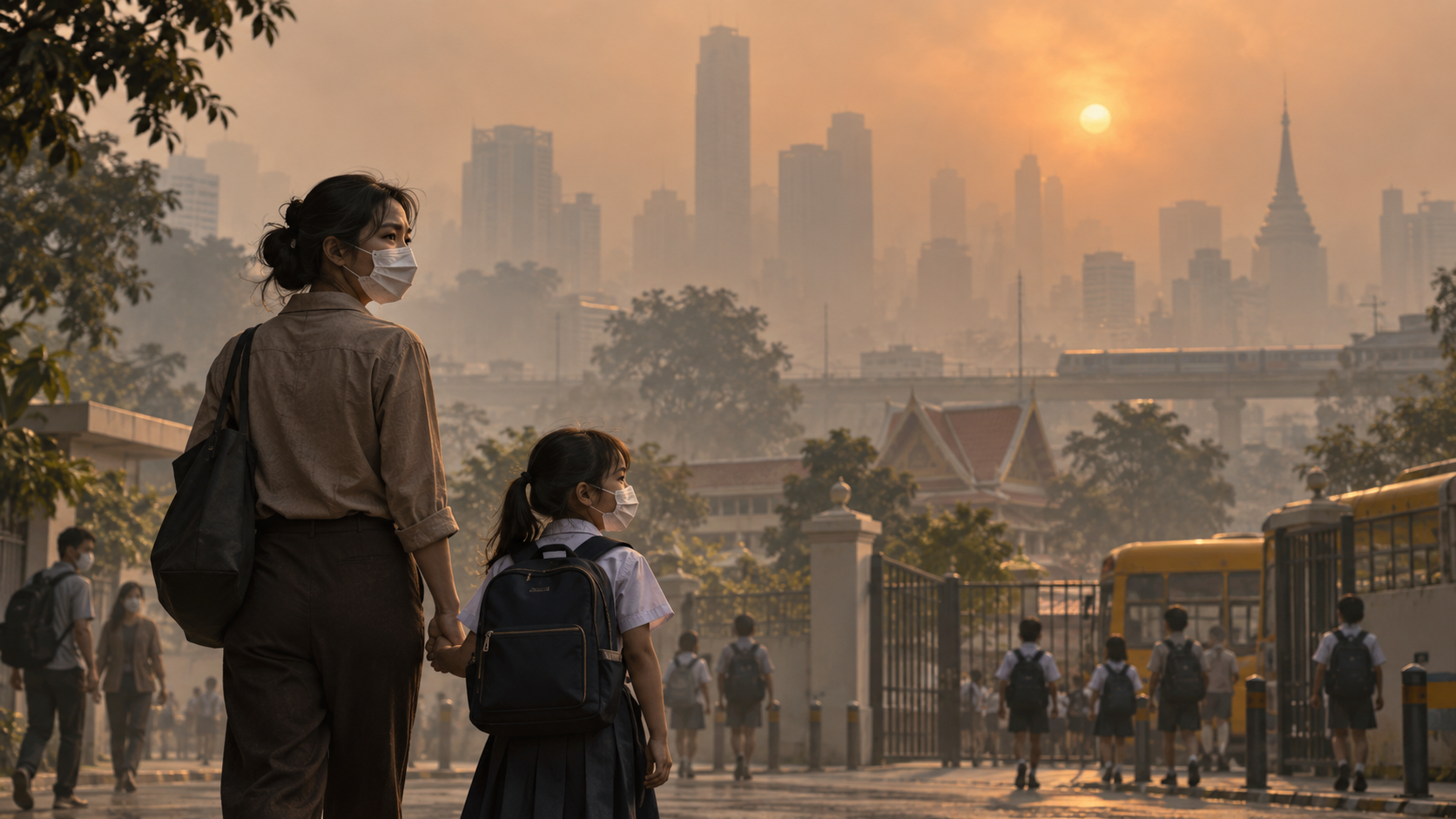
When the Air Keeps Children Home: How Southeast Asia's Haze Is Reshaping Everyday Life
By Mei-Ling Chow9 min read0
Pacific Press Asia
Energy, sustainable design and responsible travel.

A regional council's vote to potentially end a nitrate emergency highlights the tension between stated environmental goals and capital priorities, a dynamic pertinent to the Asia-Pacific.
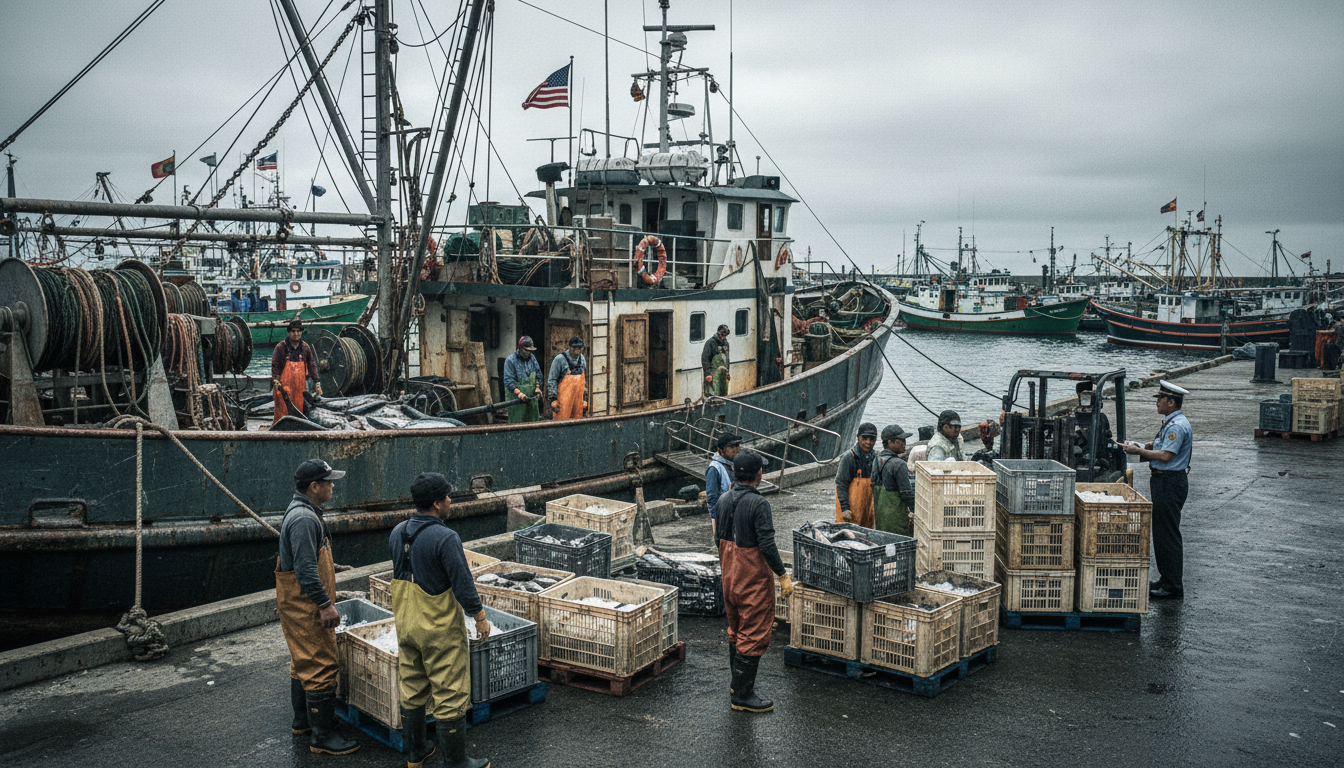
A US federal agency's move to ease fishing restrictions, despite its existing sustainability record, establishes a precedent that could challenge international norms for marine resource management.
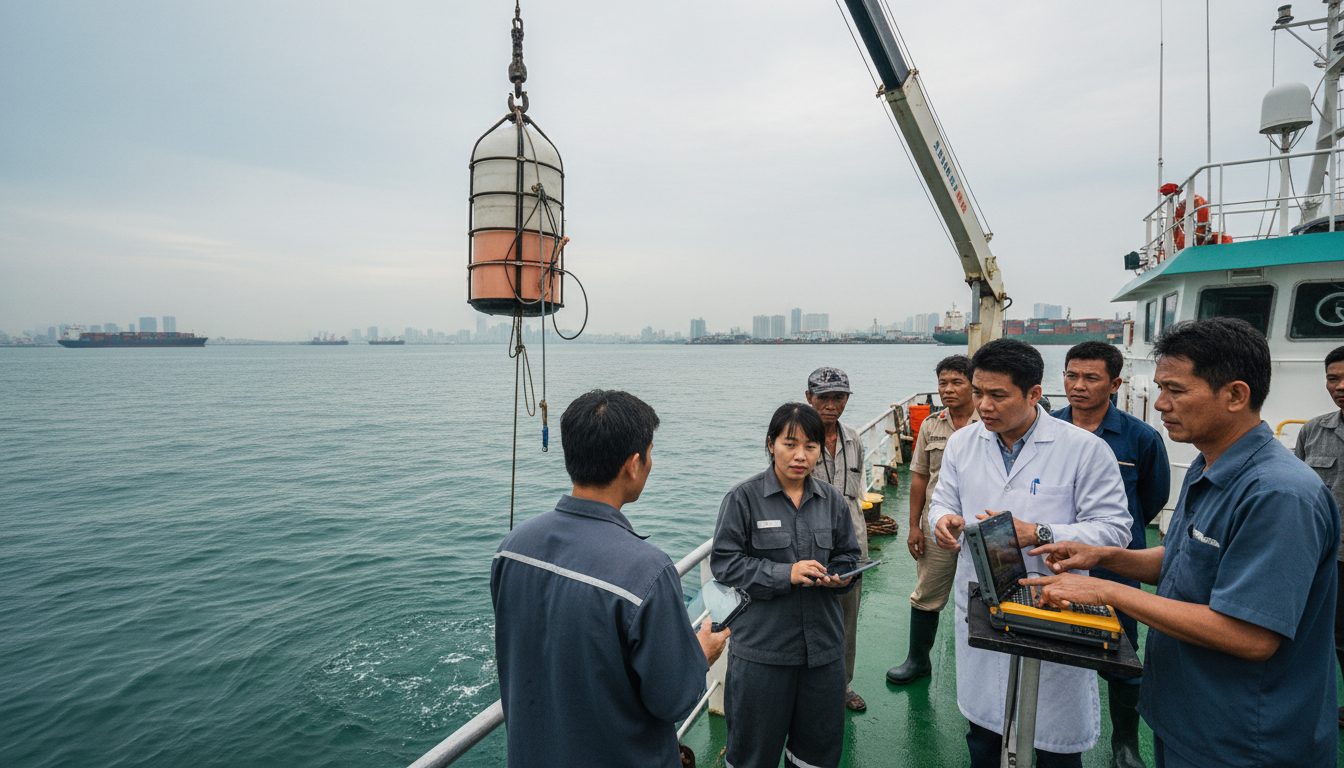
Persistent sea surface temperature highs indicate a fundamental change in ocean thermal dynamics, with implications for Asia-Pacific decision-makers.
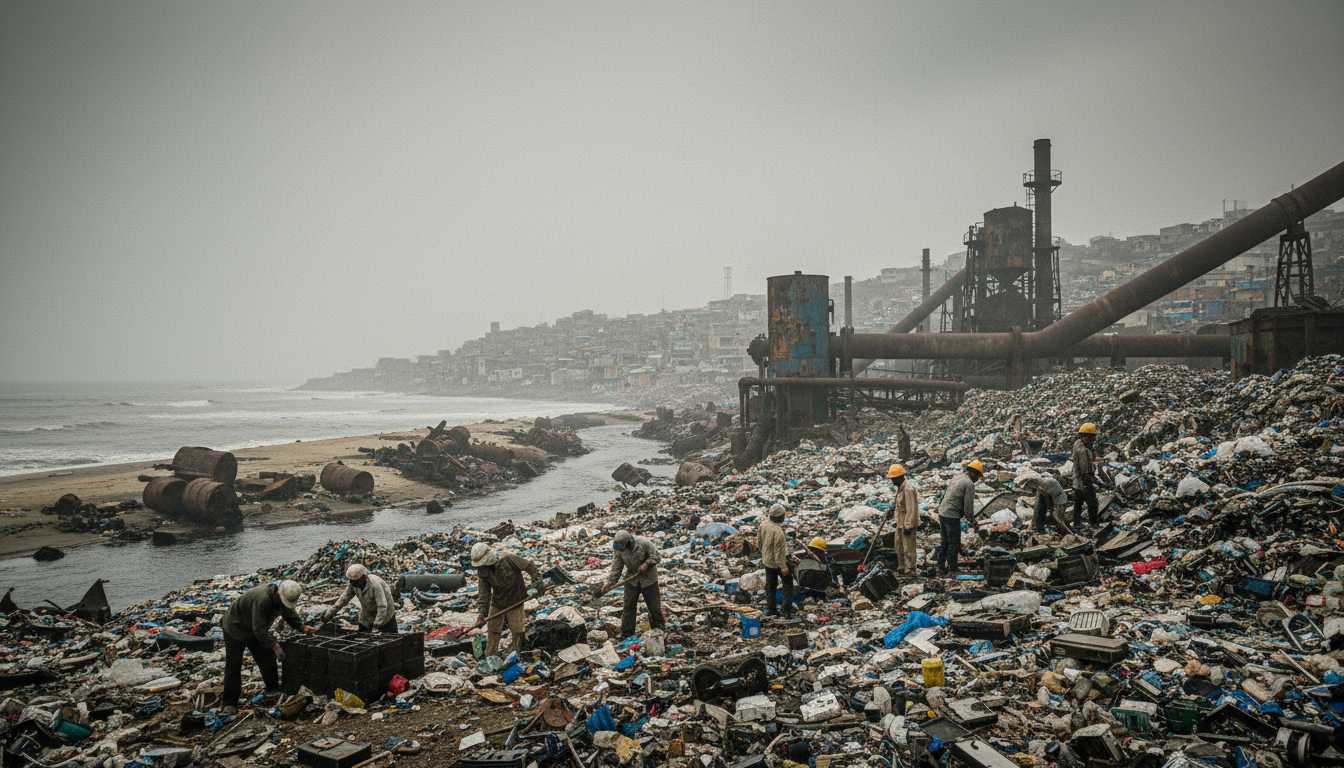
Accountability for ecological spread highlights a fundamental tension in capital planning.

A scientific finding from the Red Sea suggests microbial interventions could reframe the battle against widespread coral bleaching, but implementation faces structural hurdles.
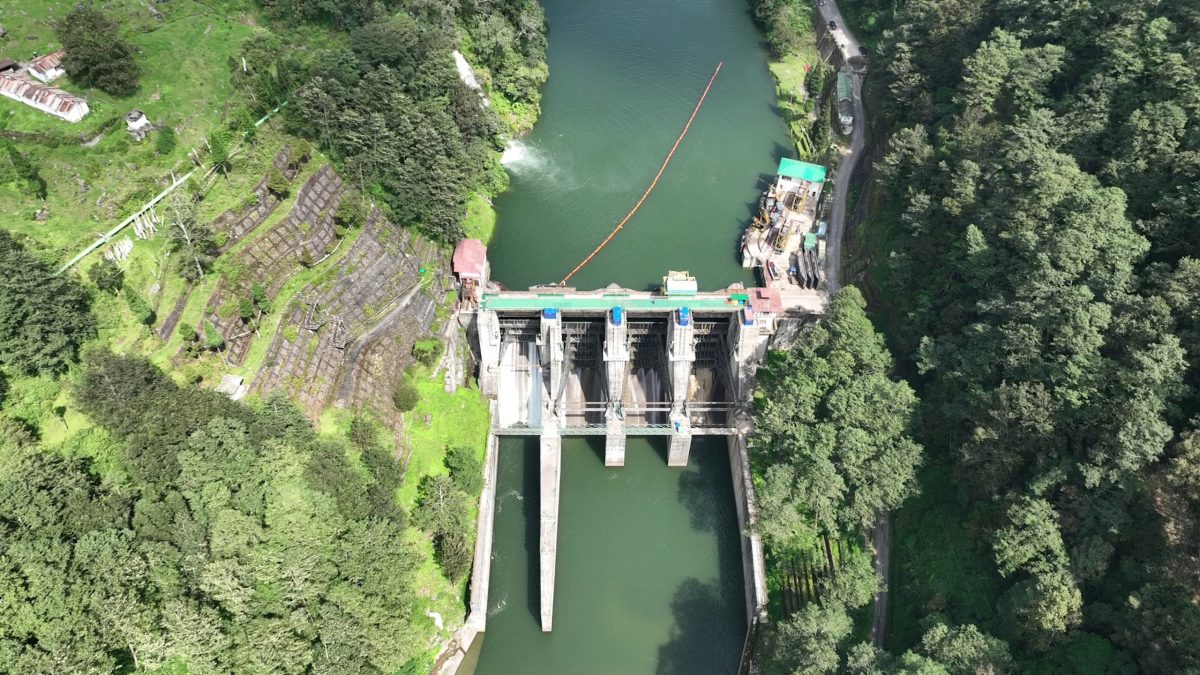
SINGAPORE —Nepal's recent floods underscore the financial and environmental vulnerabilities inherent in a regional energy model reliant on glacial stability. Thailand's coastal development offers a comparative lens for strategic reassessment.
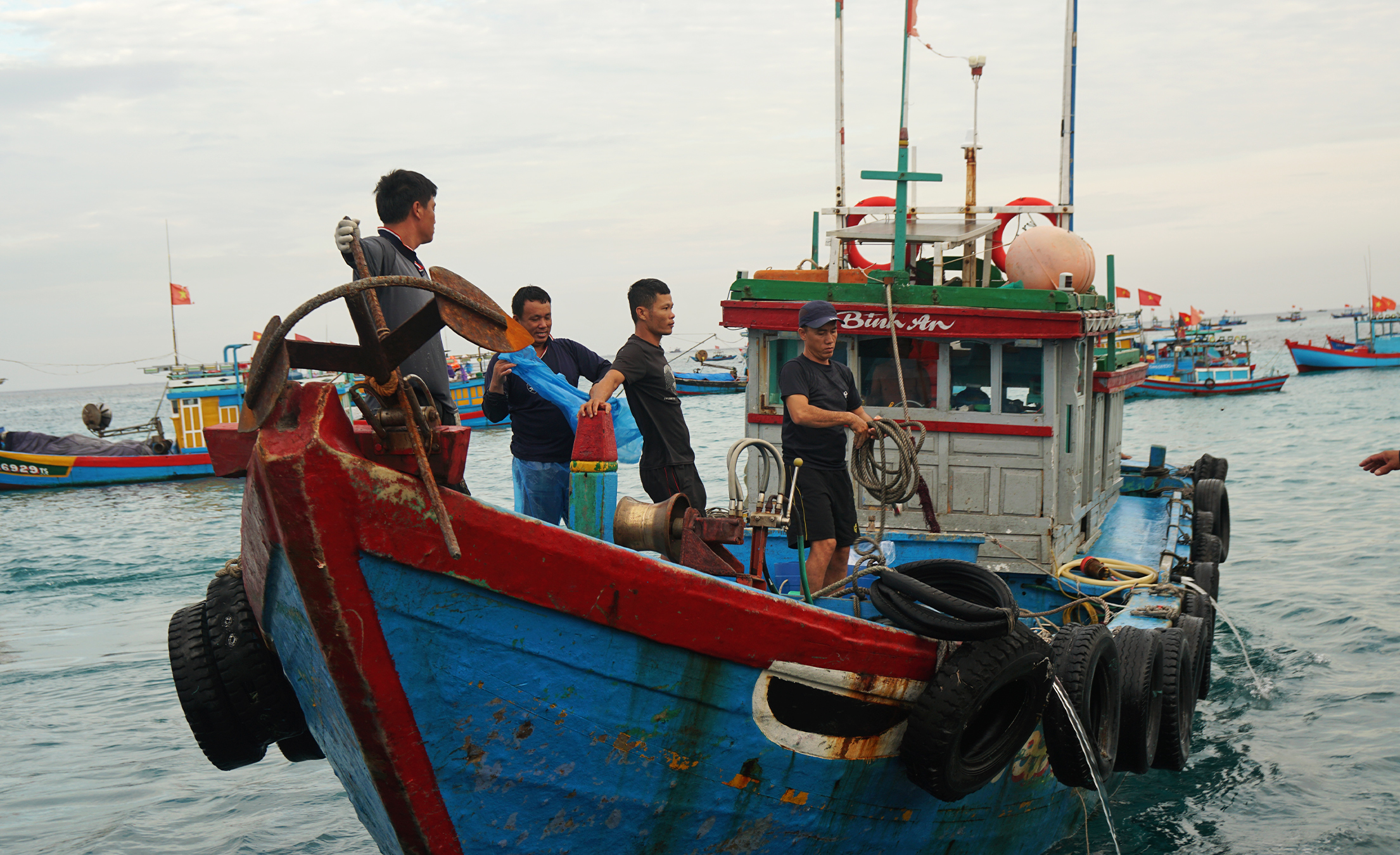
SINGAPORE —Rising operational expenses and declining marine yields are forcing Vietnamese and Thai fishing communities to abandon their livelihoods, revealing broader economic shifts across the region.

SINGAPORE —While Peru’s export economy thrives on energy transition minerals and Chinese investment despite political turbulence, rising poverty suggests a capital plan that overlooks human development. This dynamic holds implications for nations like Thailand.

SINGAPORE —A new report identifies US$397 billion in potential financial impacts from water risks, underscoring systemic challenges for regional economies dependent on global supply chains.
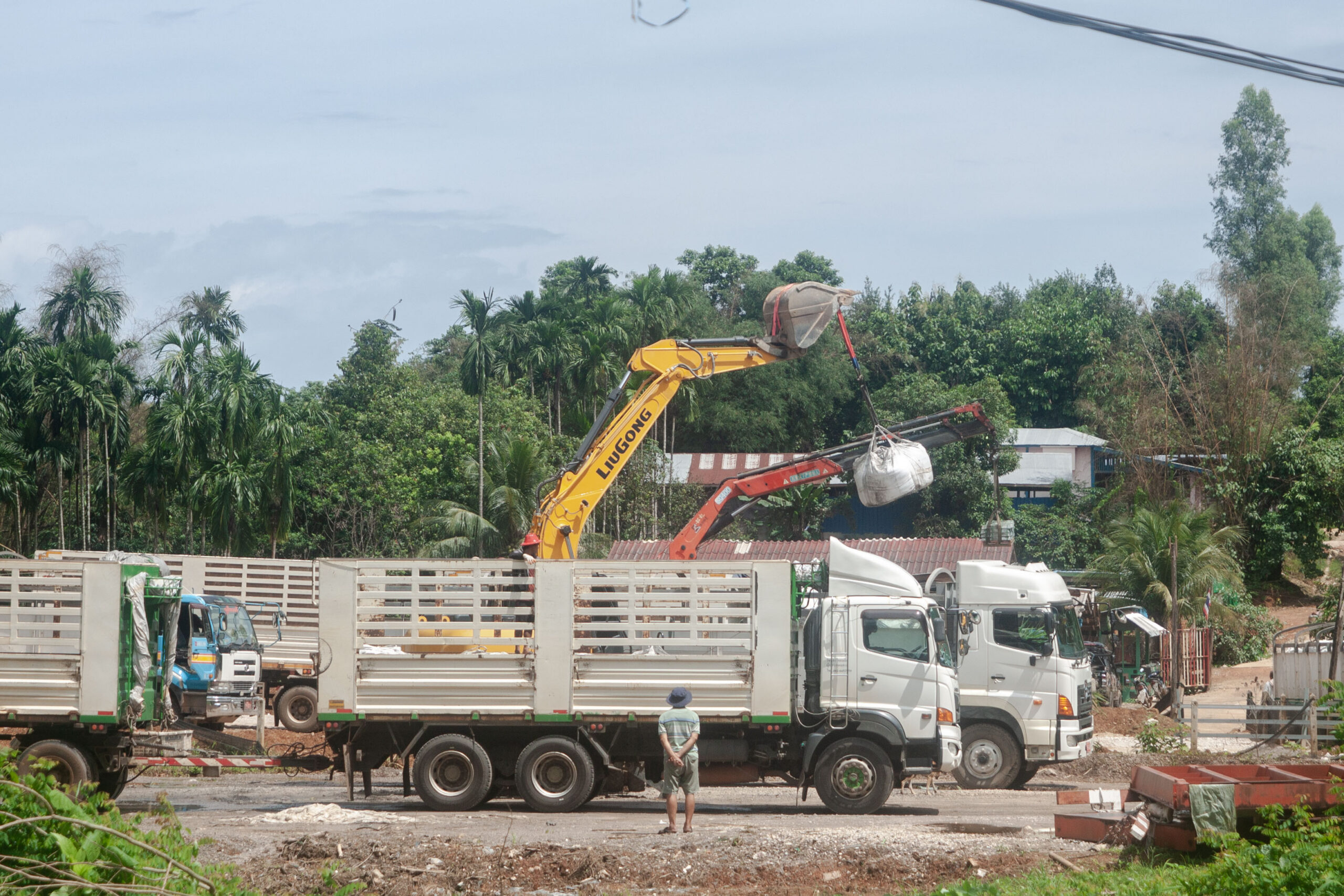
SINGAPORE —The trade of antimony from Myanmar into Thailand highlights how regional resource demands translate into localized environmental burdens and contested sovereignty over shared waterways.
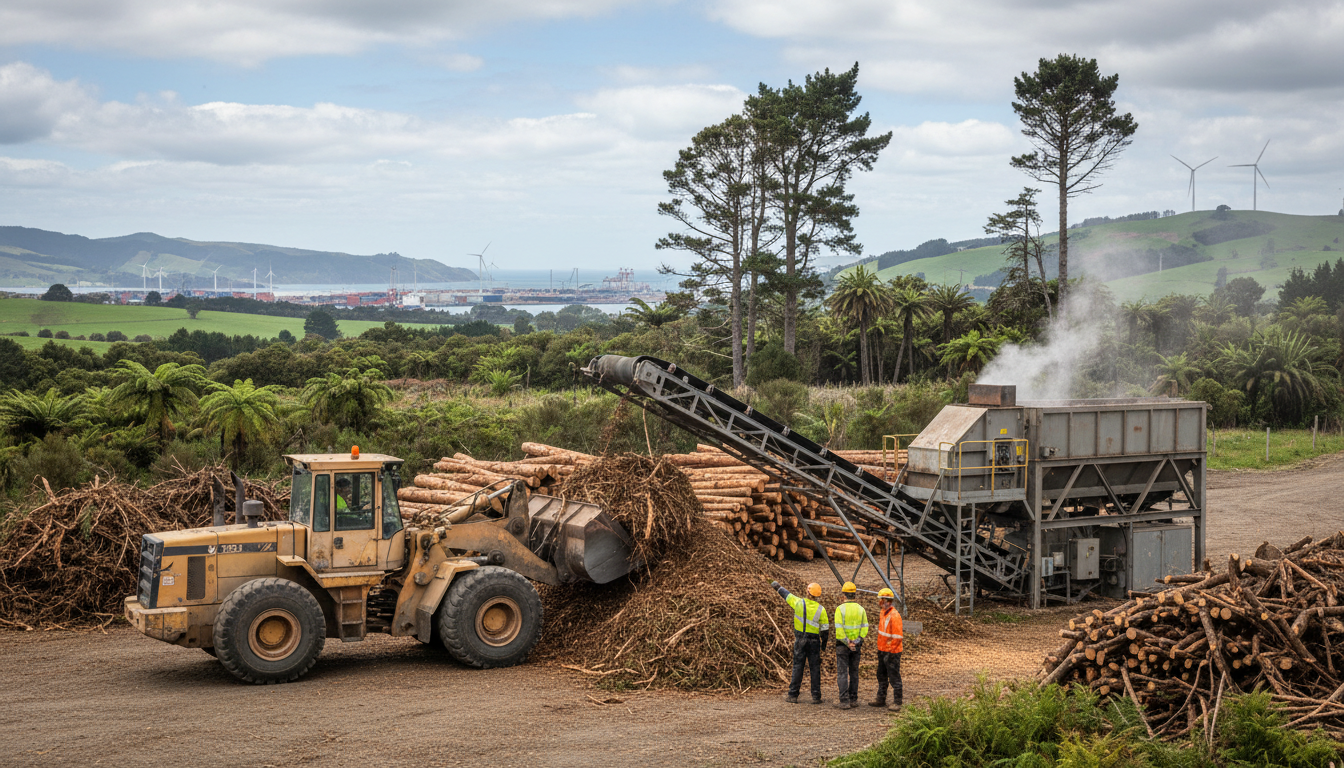
New Zealand’s $3.7 million initiative to convert low-grade wood into energy highlights a policy shift that could redefine forestry's economic and environmental equations in Asia-Pacific markets.
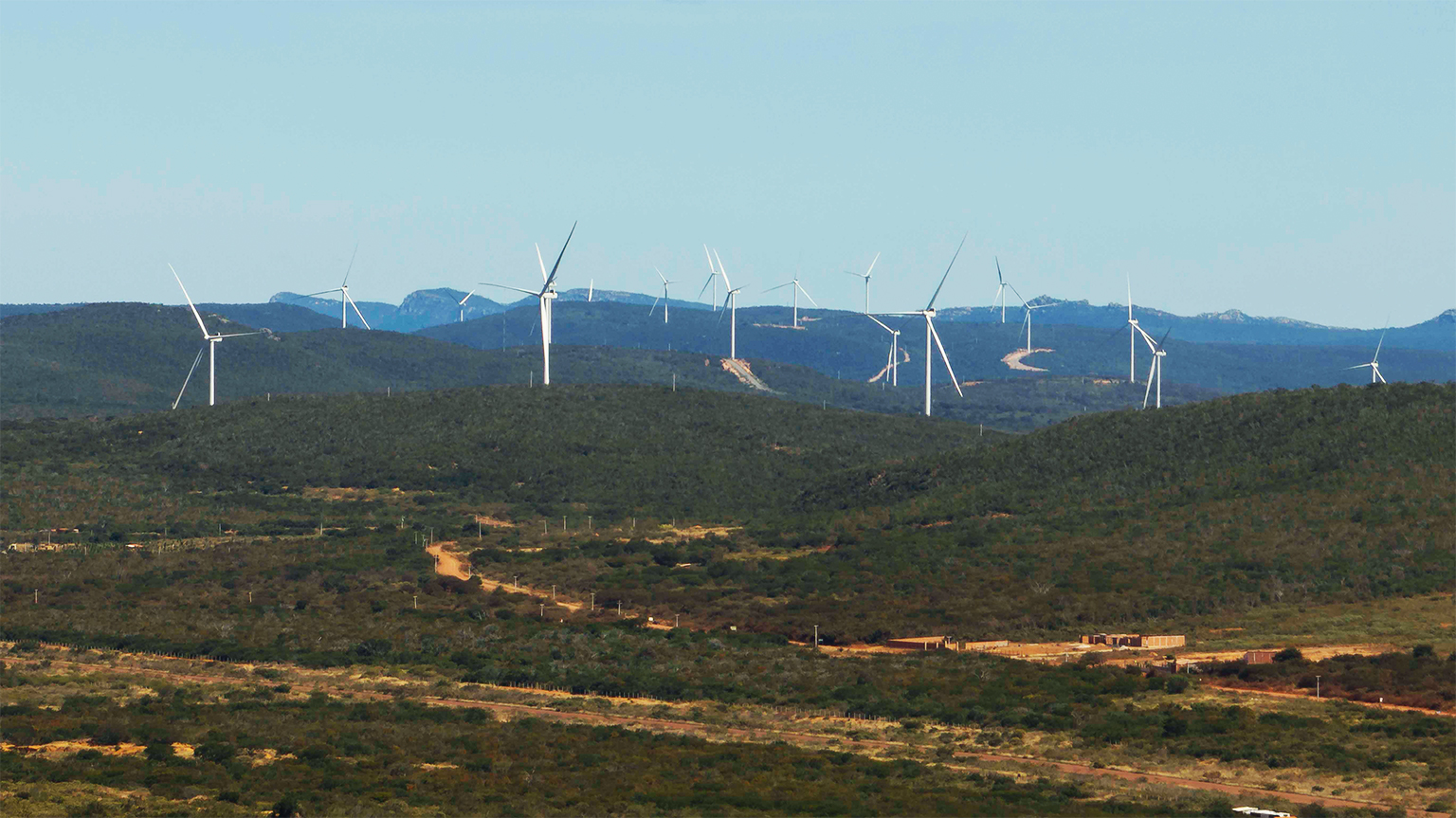
An influx of renewable energy-driven data centres in Brazil highlights a paradox for Thailand and Southeast Asia: clean power can enable resource-intensive digital expansion, but the environmental costs may shift rather than diminish.
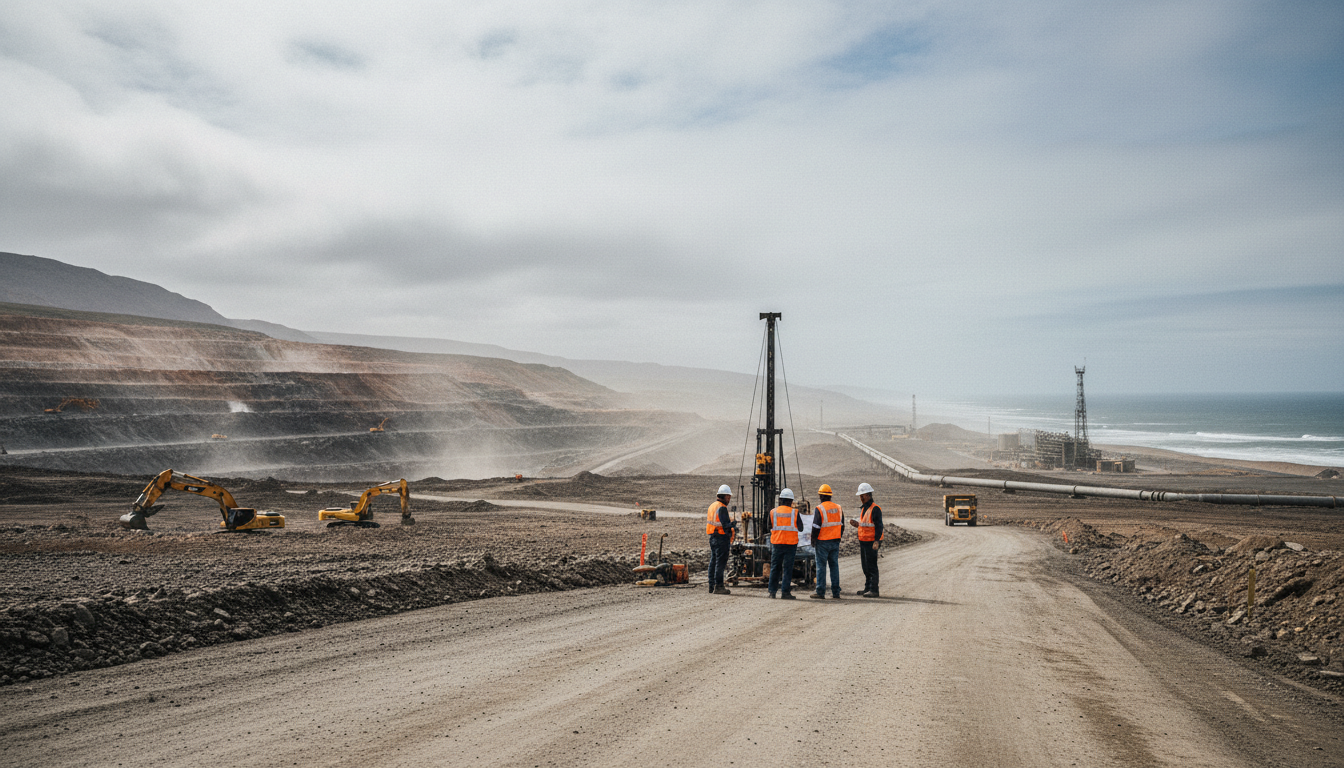
The Andes-Atlantic Corridor for critical minerals and fossil fuels underscores geopolitical realignments and the inherent tensions in clean energy strategies.

A new study on dolphin behavior along the Atlantic coast of Florida suggests marine mammals separate their social and foraging areas, a pattern that carries implications for habitat management in the Asia-Pacific.

The primatologist's death at 91 marked a turning point, but global environmental efforts still contend with policy and economic realities.

SINGAPORE —A new analysis confirms the withdrawal of U.S. development funding is leaving a significant gap in environmental protection across the Asia-Pacific, increasing financial and ecological risks for nations like Thailand.

The successful vaccination of black-faced lion tamarins in Paraná state highlights the technical capacity available for species protection, yet exposes the uneven distribution of such resources across the Asia-Pacific.
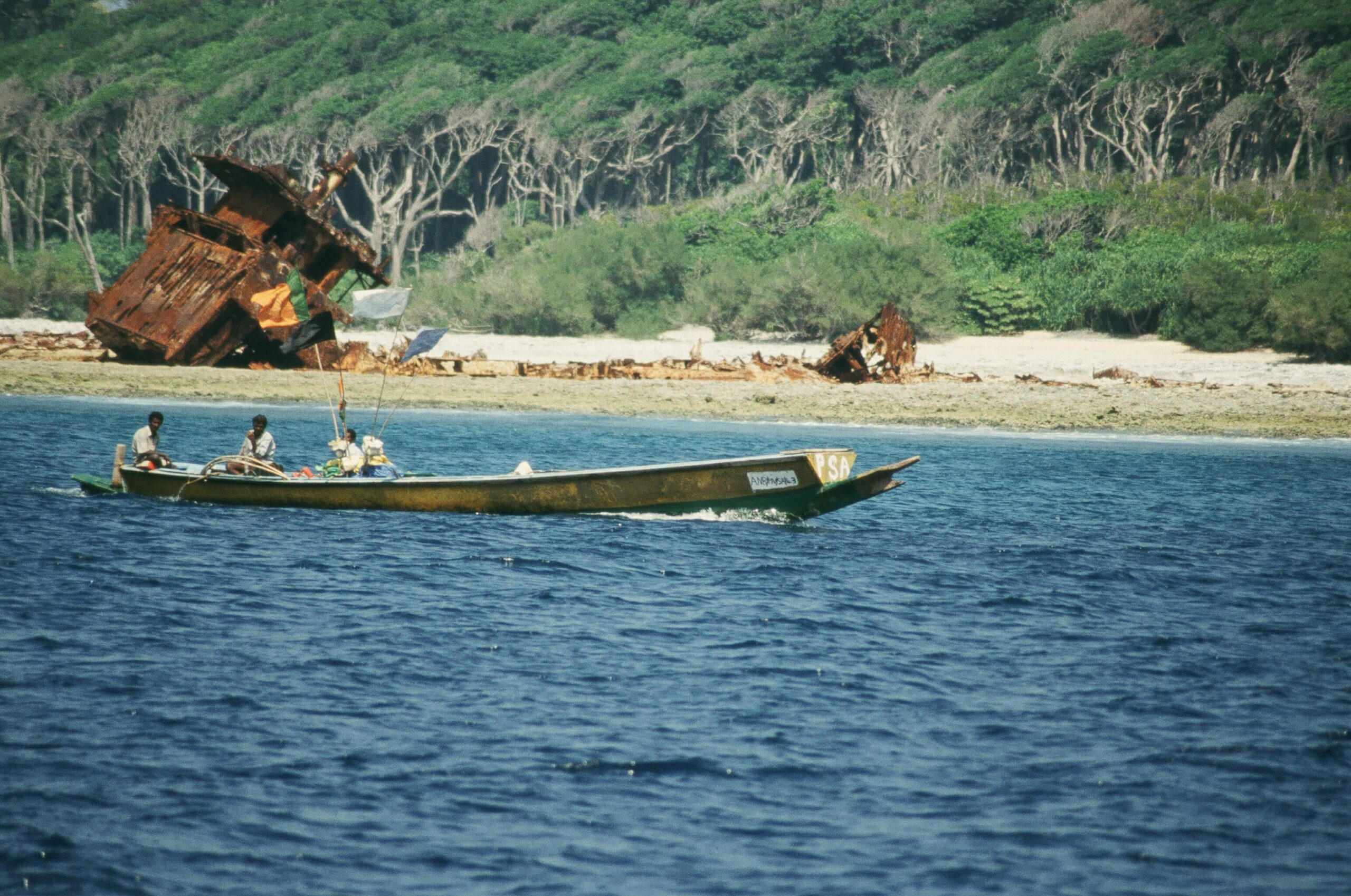
SINGAPORE —Mega-development projects and welfare policies threaten the self-sufficiency of Indigenous tribes, raising questions about regional strategic priorities and the efficacy of external intervention.
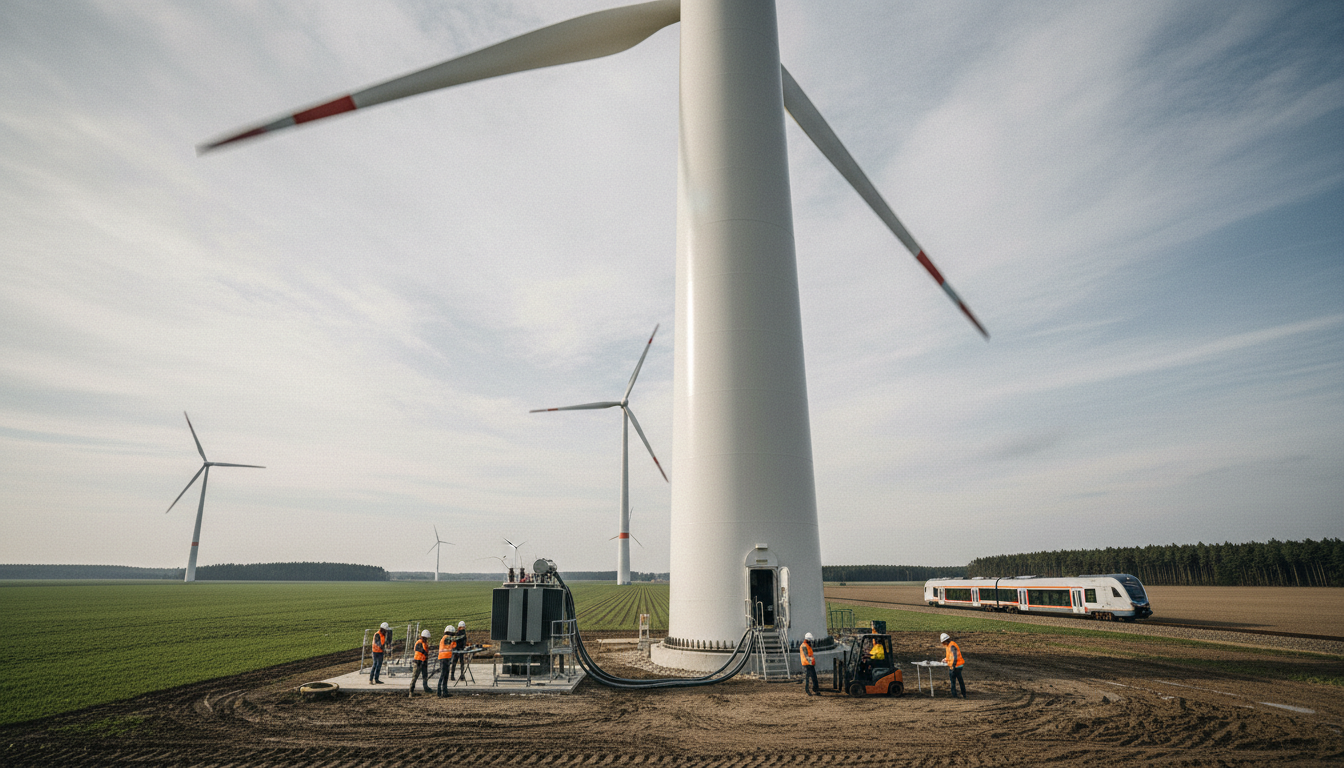
A 365-meter wind turbine in eastern Germany demonstrates an escalating scale in renewable infrastructure, challenging prevailing assumptions about resource access and technological feasibility for nations like Thailand.

An EU complaint against New Zealand over environmental standards highlights a growing tension between trade agreements and ecological integrity, posing implications for Southeast Asian economies.
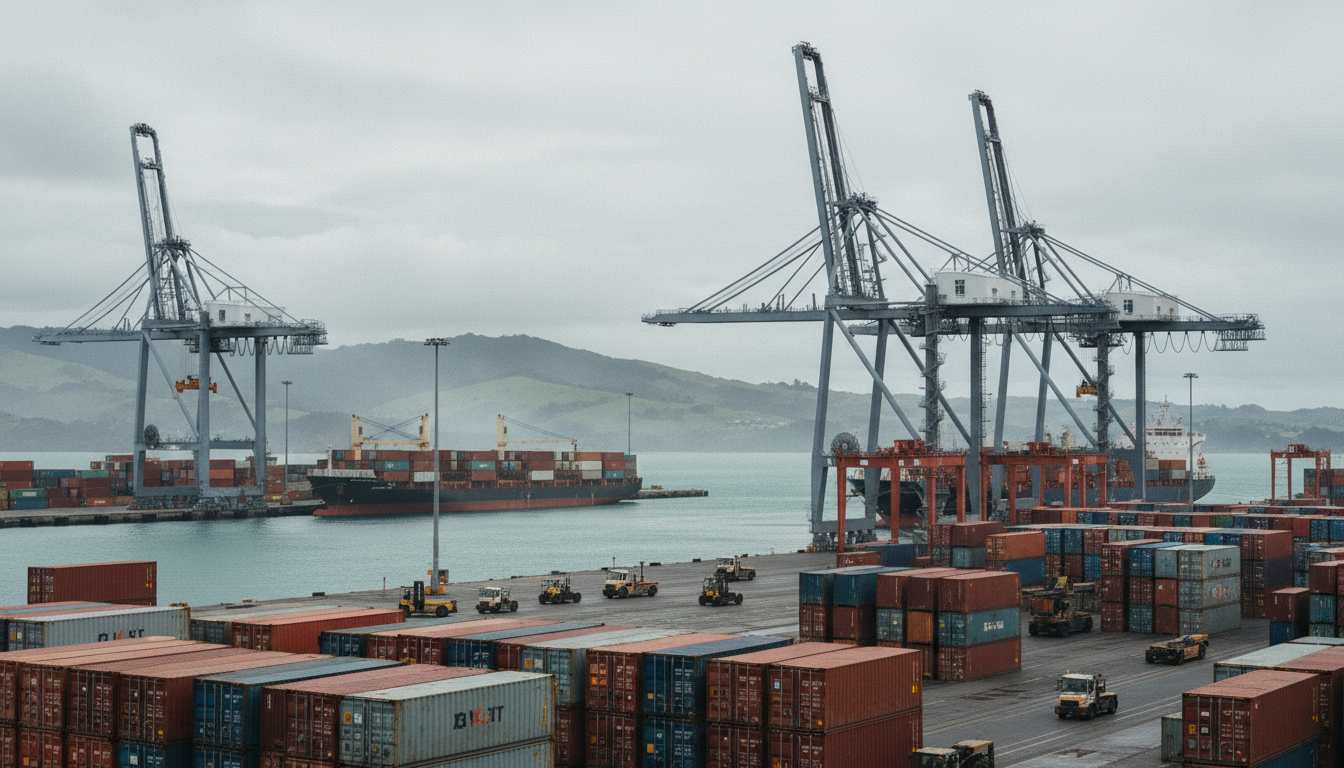
Persistent increases in atmospheric greenhouse gases in New Zealand underscore a global discrepancy between climate commitments and economic realities, impacting the broader Asia-Pacific region.

The festival's sustained local support demonstrates a value beyond tourism, offering a blueprint for cultural preservation as an economic asset in the Asia-Pacific.

The replacement of the Resource Management Act is presented as a catalyst for infrastructure development, but the shift demands scrutiny over environmental trade-offs, particularly for Asia-Pacific nations considering similar policy directions.

The emphasis on Indigenous-led initiatives raises questions about capital allocation for sustainability efforts.

The passing of former Governor George Ariyoshi offers a critical lens on balancing local coastal needs against inland policy decisions, a lesson for the broader Asia-Pacific.

The translation of an ancient court historian’s account clarifies whose narratives define regional history, and whose voices remain unheard.

Hawai‘i's new requirement for financial education presents a model for the Asia-Pacific, but the challenge lies in measurable effectiveness.

SINGAPORE —The challenge facing Hongwanji temples in Hawaiʻi reflects broader pressures on cultural institutions shaped by migration and geopolitics across the region.
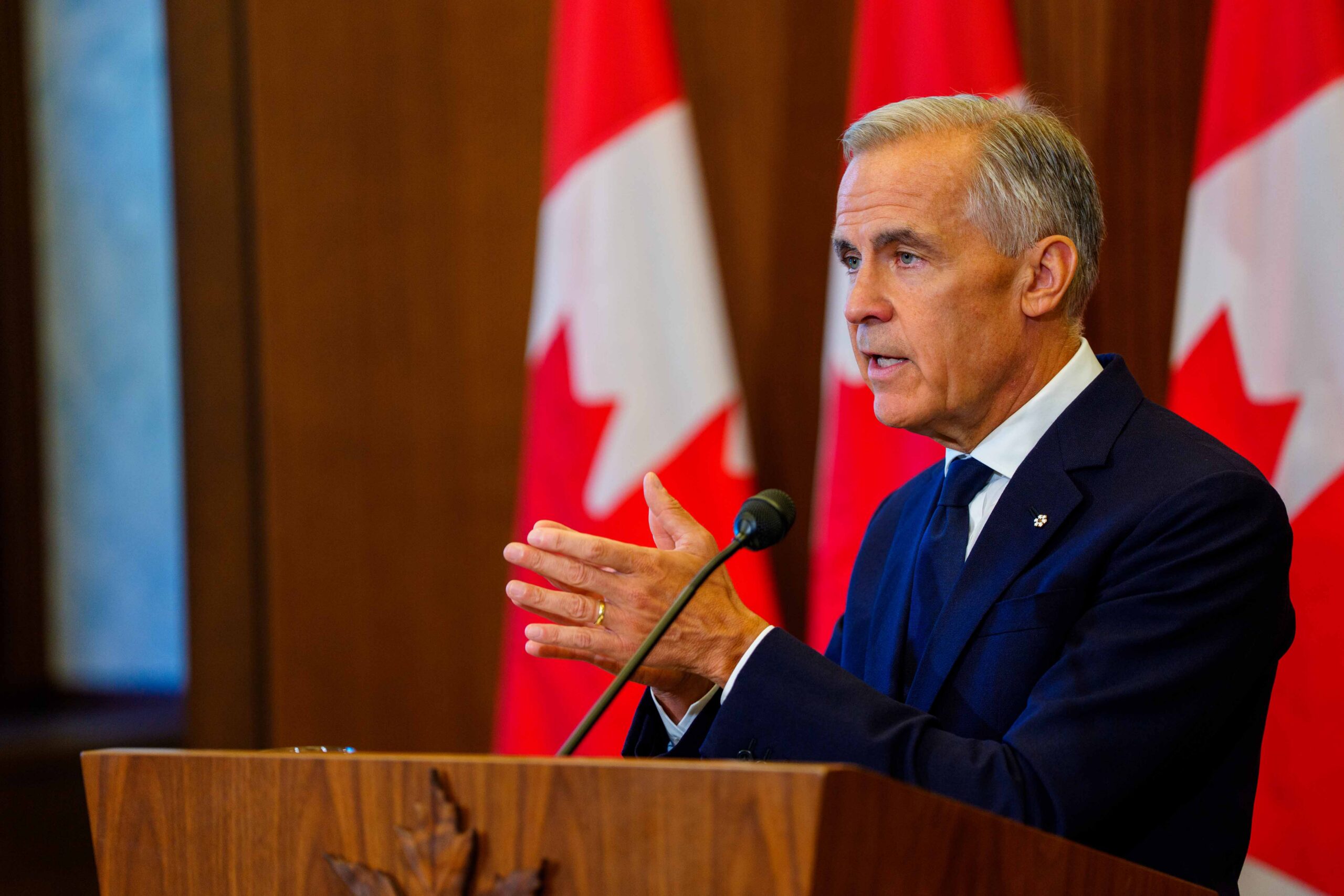
The shuttering of an independent watchdog and its replacement by a less robust office signals a potential weakening of accountability for Canadian companies operating abroad, with particular relevance for regions like Thailand.
Newsletter
A curated briefing from Thailand, Asia-Pacific and the world.