Probiotics Offer a New Angle in Asia's Coral Preservation Challenge
A scientific finding from the Red Sea suggests microbial interventions could reframe the battle against widespread coral bleaching, but implementation faces structural hurdles.
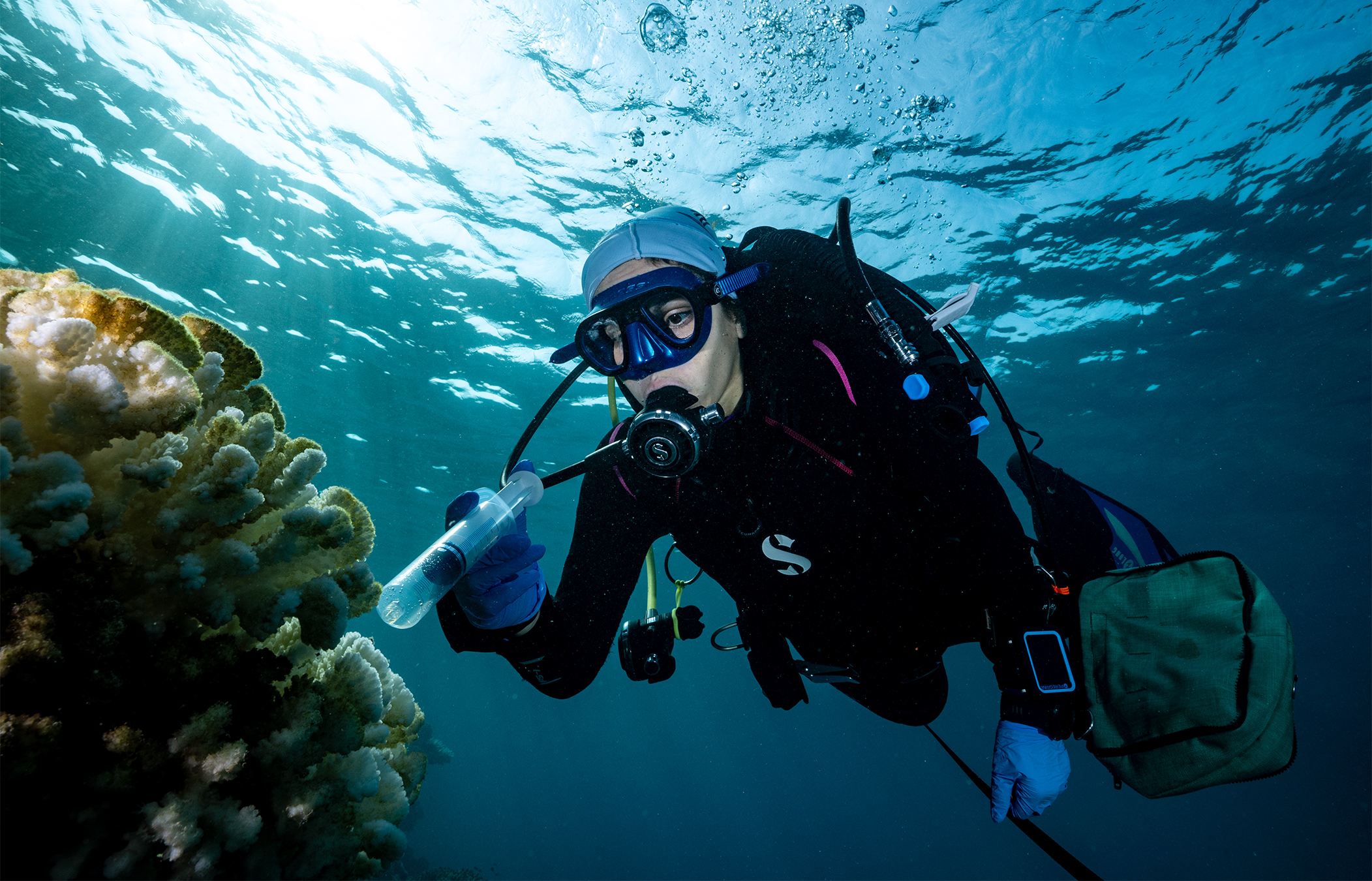
A study reporting successful coral bleaching prevention in the Red Sea introduces a new factor into the widespread decline of marine ecosystems. During a 2022 heat wave, corals treated with beneficial bacteria, or probiotics, off the coast of Saudi Arabia did not bleach. This outcome stands in contrast to untreated corals and offers a potential path for mitigating the effects of rising ocean temperatures on coral reefs.
Coral reefs, which provide habitat for an estimated one-third of marine species, are declining at an unprecedented rate. Rising temperatures contribute to coral bleaching, a process where corals expel beneficial algae, often leading to their death. The reported probiotic intervention breaks from traditional conservation efforts, which often focus on reducing direct human impact or addressing climate change at a macro level. Instead, it proposes a targeted biological strategy to enhance coral resilience directly. This shift could alter how coastal nations in the Asia-Pacific, particularly those heavily reliant on marine resources and tourism, approach reef protection.
The potential for applying such methods in regions like the South China Sea or the Andaman Sea is evident. Singaporean research, for instance, has explored similar concepts, investigating how 'good' bacteria might train corals to withstand hotter conditions. The challenge, however, lies not merely in scientific validation but in the scalability and long-term sustainability of such interventions. Introducing beneficial bacteria across vast and diverse reef systems requires resources and coordination on a scale that current marine conservation efforts rarely achieve. Furthermore, the Red Sea’s relatively contained environment might simplify intervention compared to the expansive and interconnected reef systems across the Indo-Pacific.
While probiotics present a promising scientific development, their practical integration into regional conservation strategies remains an open question. The financial investment required for large-scale application, coupled with the inherent complexities of marine ecosystems, demands careful consideration. Who will bear the costs? Who will implement these programs? Without addressing these structural questions, even the most innovative scientific solutions risk remaining confined to localized experiments. The long-term implications for reef health across the Asia-Pacific will ultimately depend on the political will and economic structures established to support such novel approaches, rather than solely on their scientific efficacy.
Sources
Newsletter
Pacific Daily
A curated briefing from Thailand, Asia-Pacific and the world.