Resource extraction in Mozambique points to broader geopolitical shifts in the Asia-Pacific
Environmental damage linked to Chinese mining operations in Africa reflects a regional strategy, not an isolated incident.
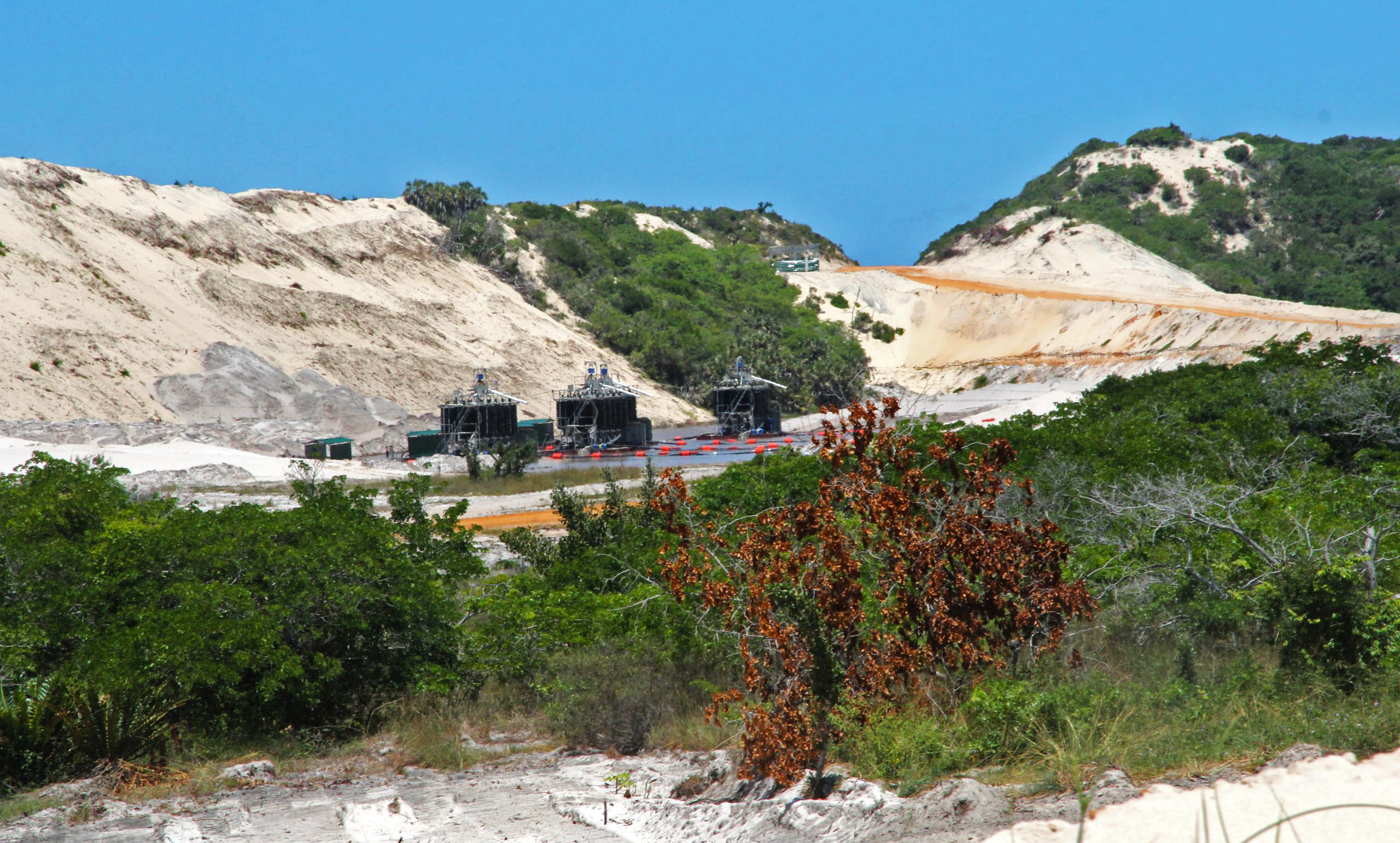
The reported decimation of hundreds of hectares of mangroves in Mozambique’s Zambezia Province by the Mozambique Heavy Sand Company VIII, part-owned by China's Jinan Yuxiao Group, highlights a recurring pattern of resource acquisition with far-reaching implications for the Asia-Pacific.
This single operation, targeting heavy mineral sands for titanium ores used in paints and plastics, is set against the backdrop of the Jinan Yuxiao Group’s claim to hold over 500,000 hectares of mining concessions in Mozambique. Such scale of engagement is not merely commercial; it signals a strategic approach to secure critical minerals that underpins industrial growth.
Historically, major powers have often leveraged resource access to fuel their economies and project influence. The current activity in Mozambique, while geographically distant, is functionally linked to the shifting economic and strategic landscape of the Pacific Rim. China’s reported bid to join a significant regional trade pact in 2021, a pact abandoned by the United States, underscored a deliberate move to entrench its economic position within the region. This application exposed what some described as a “US’ ‘Achilles’ heel’ in Pacific” trade dynamics, indicating a competitive geopolitical environment.
This resource strategy complements a broader reorientation. The Pacific Rim is increasingly central to global power dynamics, a trend noted by analysts examining changes such as a shift in U.S. policy. Economically, as American demand for Chinese imports has reportedly declined, the “Rest of Asia” has compensated, further integrating regional supply chains. Militarily, China test-fired a long-range missile into the Pacific in 2026, which was noted to rattle U.S. allies.
While the direct environmental cost in Mozambique is clear — the loss of a critical coastal ecosystem over a few years — the indirect consequences reverberate globally. These actions reflect an unacknowledged tension: the need for raw materials to sustain industrial output versus the ecological stability of resource-rich nations. Countries like Thailand, balancing their own development with environmental protection, observe these patterns closely. The concern is not simply localized deforestation, but the systemic demand driving such activities, and the uneven distribution of both benefits and burdens.
Some might argue that such resource extraction is essential for development in host nations like Mozambique, providing jobs and revenue. However, the evidence from Zambezia points to severe localized environmental degradation. The question is whether the benefits accrue to the local populations at a level commensurate with the environmental cost. The pattern suggests that the benefits of resource acquisition often prioritize the needs of the resource-consuming nations, while the environmental and social costs are borne by the resource-producing states. This dynamic, where the ecological debt is transferred across continents, remains an unresolved tension for the Asia-Pacific region and beyond.
Sources
Newsletter
Pacific Daily
A curated briefing from Thailand, Asia-Pacific and the world.