AI weather systems address symptoms, not the shifting climate's root cause
While new forecasting tools promise faster alerts, their efficacy in a changing Asia-Pacific depends on existing infrastructure and regional cooperation, not just technological advancement.
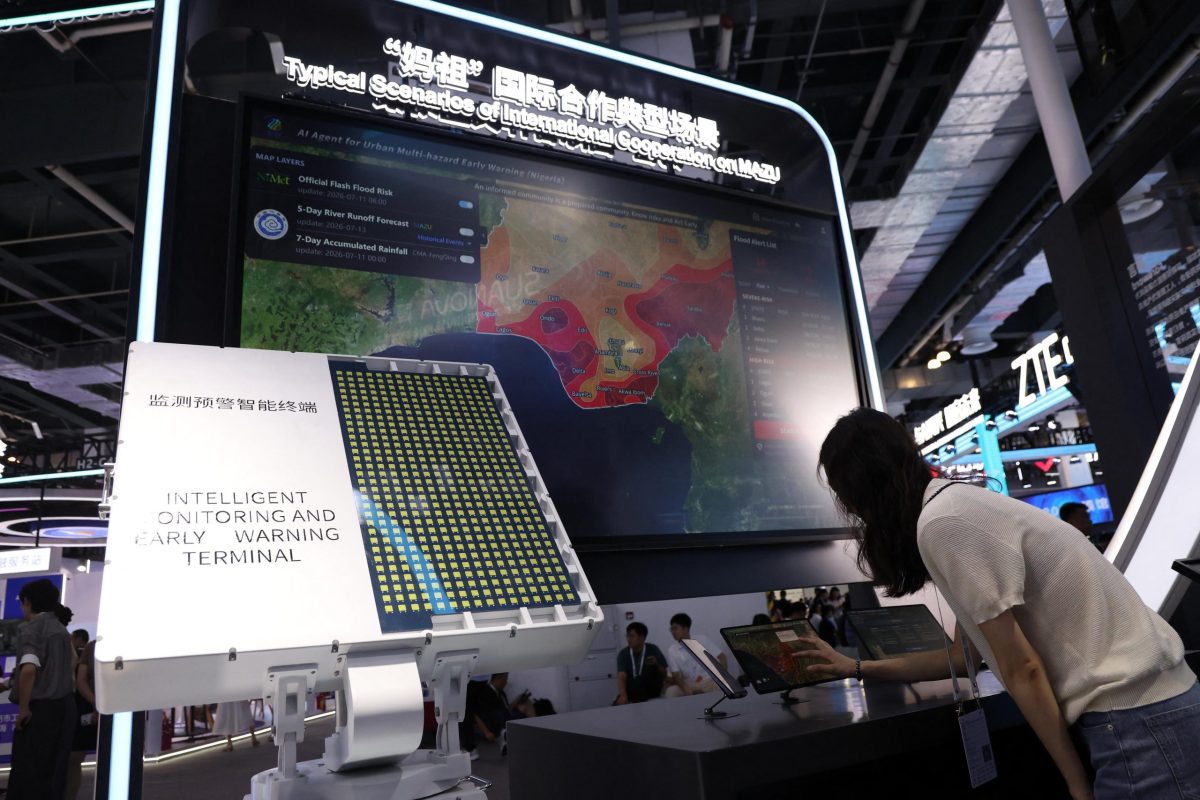
The introduction of China's MAZU, an AI weather system, to Pakistan signals a strategic engagement with climate adaptation challenges, particularly concerning extreme weather events. Presented at the 2026 World Artificial Intelligence Conference, MAZU is described as offering faster forecasts and supporting early warning systems. This technological deployment arrives as the Associated Press Of Pakistan noted China's meteorological technology as a solution for hotter, riskier summers in the region.
However, the utility of such systems extends beyond mere technological capability. Experts emphasize that the effectiveness of MAZU relies heavily on the quality of data it receives and the existing disaster response capacity within recipient nations. Pakistan’s geography, with its diverse climatic zones and susceptibility to various natural disasters—from the floods that have devastated Nepal, as reported by the BBC in 2026, to the broader implications of altered water flows from infrastructure projects like China's mega-dams mentioned by Reuters in 2025—underscores the complexity. A high-fidelity forecast from MAZU is only as impactful as the local infrastructure to disseminate and act upon it. The United Nations Development Programme highlights the interconnectedness of environment and climate change, suggesting that singular technological fixes are insufficient without broader systemic resilience.
Focusing primarily on predictive models, however advanced, risks overlooking the systemic vulnerabilities that climate change exacerbates across the Asia-Pacific. While improved forecasting can mitigate immediate hazards, it does not address the underlying climatic shifts driving these events. The question remains whether regions like Thailand, with its extensive coastlines and agricultural dependencies, can leverage such tools effectively if core data infrastructure is uneven or if cross-border coordination for regional phenomena, like monsoon patterns, remains fragmented.
The deployment of MAZU in Pakistan reflects a pattern where technological solutions are offered to manage the impacts of environmental degradation. This approach, while providing immediate benefits in terms of alert times, positions the technological provider in a key strategic role. It also implicitly shifts the burden of foundational resilience onto the receiving nation, which must ensure its own data quality and response mechanisms are robust enough to capitalize on the AI's output. The reliance on external technological fixes, even those framed as humanitarian aid, inevitably generates new dependencies and necessitates rigorous independent assessment of long-term strategic implications for regional stability and sovereignty. The broader challenge for the Asia-Pacific is not merely to predict the next storm, but to address the root causes and adapt regional policy with a truly holistic lens.
Sources
Newsletter
Pacific Daily
A curated briefing from Thailand, Asia-Pacific and the world.