Ecological Connectivity: A Capital Constraint for Species Survival
The extreme dispersal of African wild dogs highlights the foundational role of movement in sustaining biodiversity, with implications for Asia-Pacific conservation strategies.
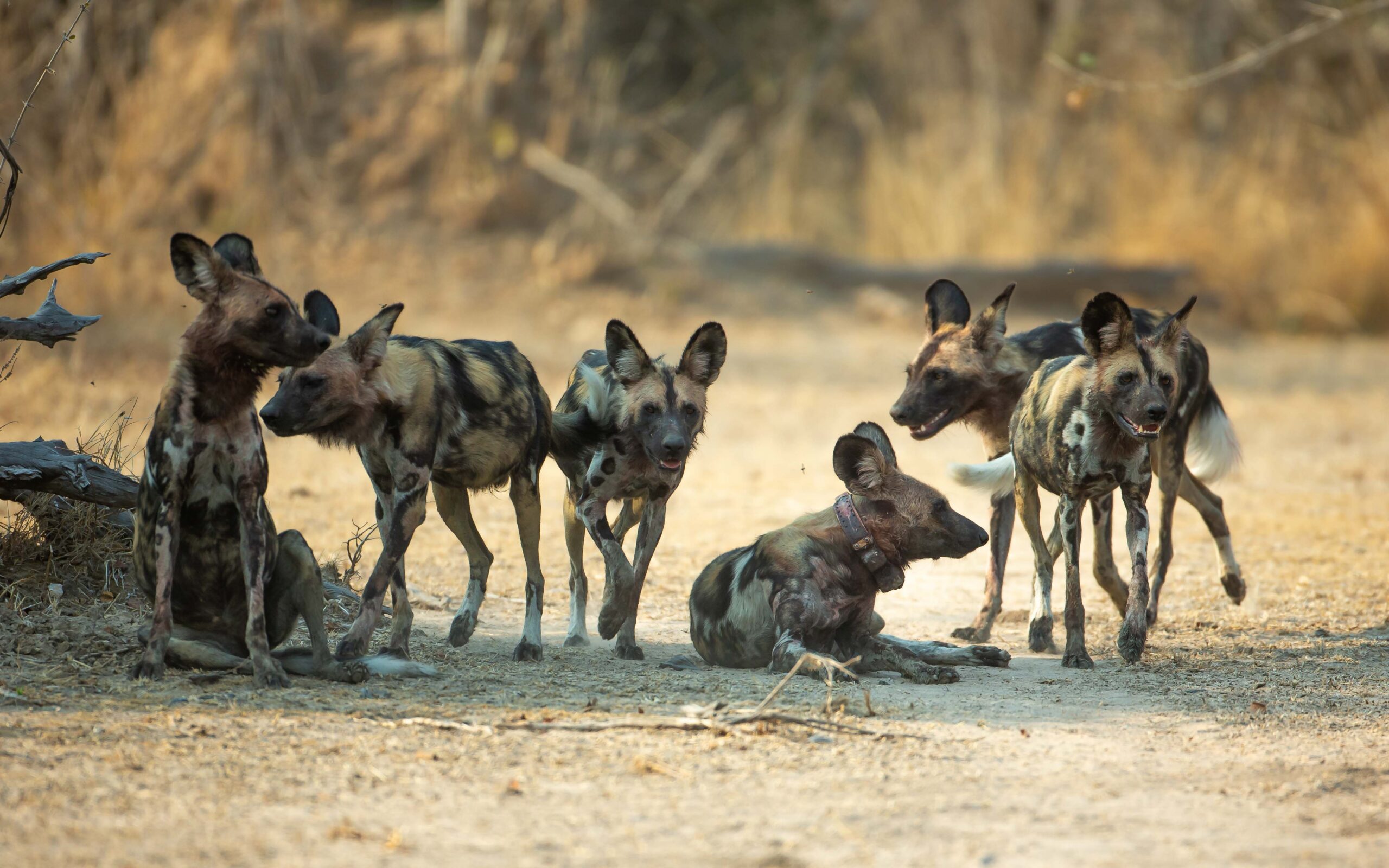
A recent study reported by Mongabay Asia documented three male African wild dogs in Zambia that traveled more than 4,000 kilometers over nine months. This movement, described by study co-author Matt Becker, chief executive of the Zambian Carnivore Programme, as the longest recorded African mammal movement and wild dog dispersal, spanned approximately half the distance between Cairo and Cape Town. These 'Mayukuyuku males' covered a distance that connects populations and ecosystems that are far apart within Southern Africa, researchers say.
This documented scale of animal movement underscores a critical ecological principle: connectivity is foundational for species persistence. For species like the African wild dog, genetic exchange and access to new resources are dependent on the ability to traverse vast territories. The survival of these endangered animals is linked directly to such movements, which connect disparate populations and ecosystems. Without the capacity for such dispersal, genetic isolation and localized extinctions are increased possibilities.
The implications of this African precedent extend to the Asia-Pacific region. While the specific species and ecosystems differ, the fundamental challenge of habitat fragmentation remains consistent. Urbanization, agricultural expansion, and infrastructure development across countries like Thailand have led to isolated natural areas. Policy documents and capital plans frequently prioritize economic development, which can impede the long-distance animal movements necessary for ecological viability.
One perspective suggests that the scale of the Zambian wild dog dispersal is an outlier, not directly comparable to the typically smaller, more intensely developed landscapes of Southeast Asia. This argument posits that the open expanses of Zambia allow for such movements, which are less feasible in the densely settled or topographically complex environments of much of Asia. However, this does not negate the underlying ecological requirement for movement; it merely shifts the scale and intensity of the challenge. The imperative for connectivity persists, regardless of geographical context.
The documented resilience of African wild dogs, as noted in a BBC report on an individual named Flint, suggests an adaptive capacity. Yet, even with inherent resilience, the ability of a species to persist hinges on the physical conditions provided by its environment. The wild dogs' journey illustrates the biological imperative for connected landscapes. For conservation efforts in the Asia-Pacific to be effective, they must address the capital plans and policy frameworks that either facilitate or obstruct this fundamental requirement. The constraint that remains unresolved is how to integrate the necessity of ecological connectivity into national development agendas that often prioritize immediate economic returns.
Sources
Newsletter
Pacific Daily
A curated briefing from Thailand, Asia-Pacific and the world.