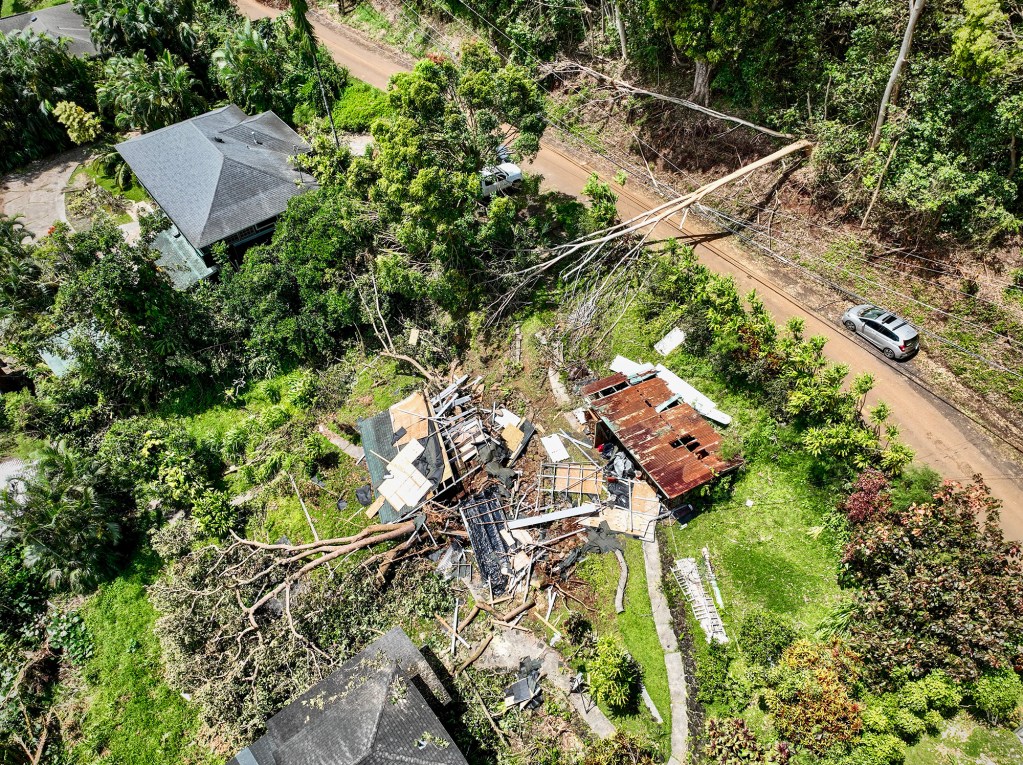
Kaua‘i Storm Recovery Exposes the Fiscal Limits of Island Disaster Planning
Electoral pledges across Pacific island municipalities collide with the intractable capital costs of rebuilding vulnerable infrastructure
Contributor
Sustainability Correspondent
Priya Raghunathan covers climate policy, conservation and the economics of the energy shift.

Electoral pledges across Pacific island municipalities collide with the intractable capital costs of rebuilding vulnerable infrastructure

Agreement on high-risk zones without mandatory rules illustrates the chronic gap between scientific modeling and fisheries regulation.

SINGAPORE —Thailand’s forensic testing of African ivory concealed in Zambian timber highlights the limits of border seizures against entrenched supply chains.

SINGAPORE —The delayed public listing of SB Energy underscores a widening gap between the capital demands of artificial intelligence development and market willingness to fund its underlying infrastructure at projected valuations.

SINGAPORE —The reported shutdown of refrigeration systems in France after a cyberattack exposes an often-overlooked dimension of economic security, with significant implications for supply chains and infrastructure resilience across the Asia-Pacific.

SINGAPORE —The decision to prolong air travel restrictions in the Saudi capital underscores persistent threats to maritime trade routes and the broader stability of the Middle East, with potential reverberations for Asia-Pacific energy markets.

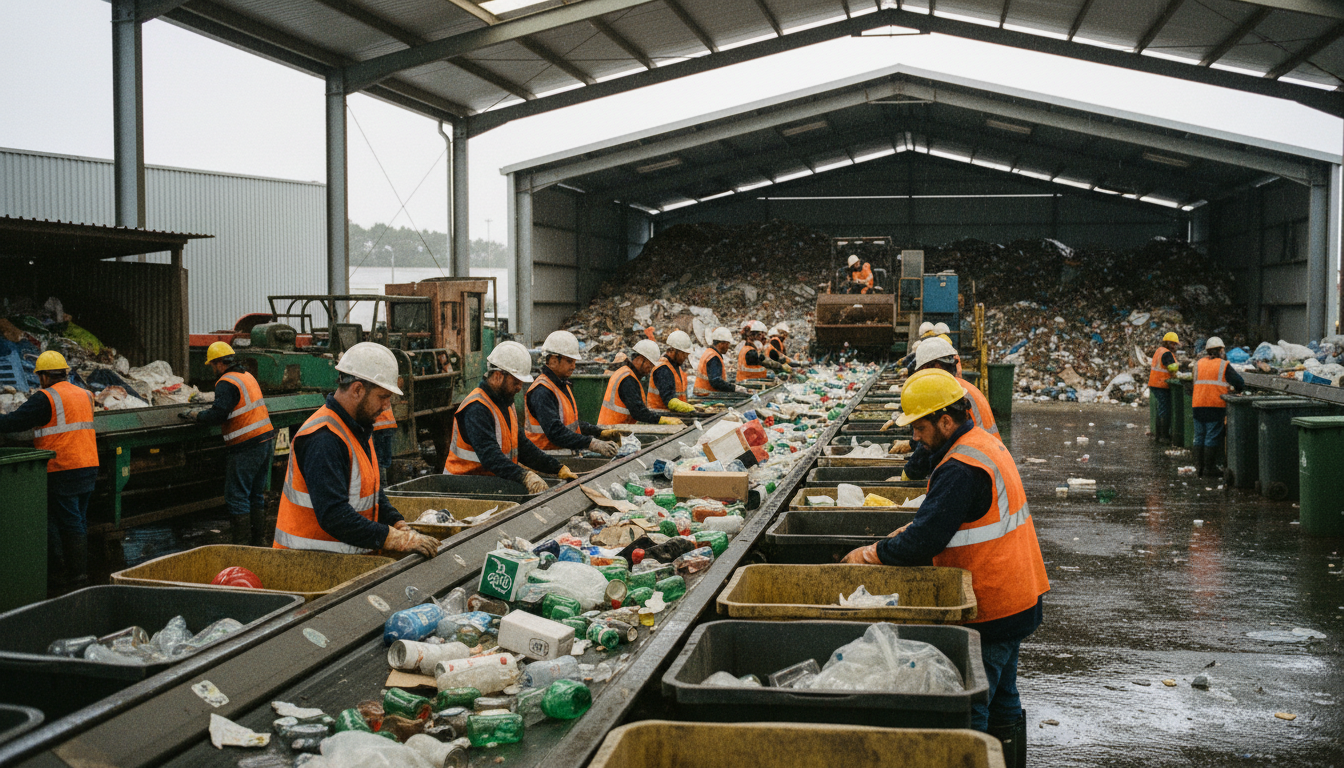
Auckland Council's incentive for waste sorting offers immediate benefits but highlights the persistent challenge of achieving ambitious zero-waste targets without substantial investment in staff and infrastructure, a common regional tension.

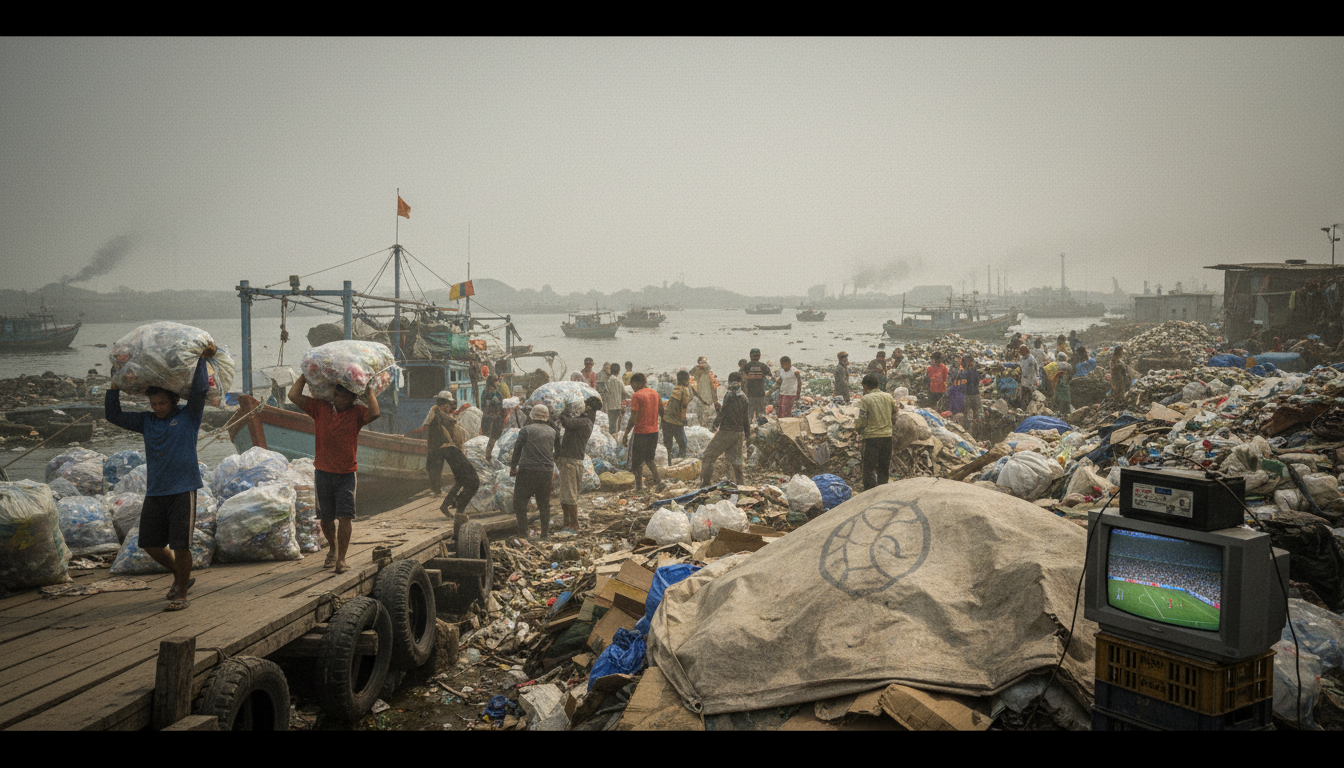
SINGAPORE —While headlines in some outlets highlight a football match, the region's sustainability challenges remain unaddressed in the available information, indicating a persistent gap in coverage.

SINGAPORE —While soft power initiatives target specific demographics, China's overall regional strategy shows varied and sometimes conflicting priorities.

SINGAPORE —A reported AI-driven hiring slowdown at multinational offshore tech centers in India signals an impending structural challenge for Asia-Pacific economies dependent on tech service models.

A chemical discharge in Zambia’s Copperbelt Province, attributed to Konkola Copper Mines, reveals the enduring challenge of holding multinational resource companies accountable for environmental damage.

SINGAPORE —The Singapore International Film Festival's decision to screen 'The Assassin(s)' despite public criticism underscores the complex balance between artistic freedom and historical narrative sensitivities in the region.

While significant planting occurs in Queensland's Wet Tropics, a study indicates that monitoring lapses compromise ecological objectives and investment efficacy, coinciding with a record-setting El Niño.

TAIPEI —A police raid on a gay bar and the subsequent mayoral apology highlight the gap between stated policy and practical implementation in Taiwan.

SINGAPORE —While Peru’s export economy thrives on energy transition minerals and Chinese investment despite political turbulence, rising poverty suggests a capital plan that overlooks human development. This dynamic holds implications for nations like Thailand.

Persistent increases in atmospheric greenhouse gases in New Zealand underscore a global discrepancy between climate commitments and economic realities, impacting the broader Asia-Pacific region.

An EU complaint against New Zealand over environmental standards highlights a growing tension between trade agreements and ecological integrity, posing implications for Southeast Asian economies.

A new study on dolphin behavior along the Atlantic coast of Florida suggests marine mammals separate their social and foraging areas, a pattern that carries implications for habitat management in the Asia-Pacific.

The Andes-Atlantic Corridor for critical minerals and fossil fuels underscores geopolitical realignments and the inherent tensions in clean energy strategies.

SINGAPORE —Despite a retreat in oil prices, the upward trajectory of bond yields in major economies like Japan and the U.S. signals a deeper structural constraint on regional capital planning and sustainability initiatives.

SINGAPORE —The unveiling of 'Argon' signals Google's continued investment in AI, yet the underlying financial commitments and market pressures demand closer examination for Asia-Pacific implications.

SINGAPORE —Beijing’s drive for low-carbon steel production and a slowdown in demand indicate a structural shift that could reshape commodity trade patterns across the Asia-Pacific.

The narrative of P-22, Los Angeles’ mountain lion, offers a lens through which to examine the enduring challenges of urban encroachment on wildlife corridors, relevant to Asia-Pacific cities facing similar pressures.

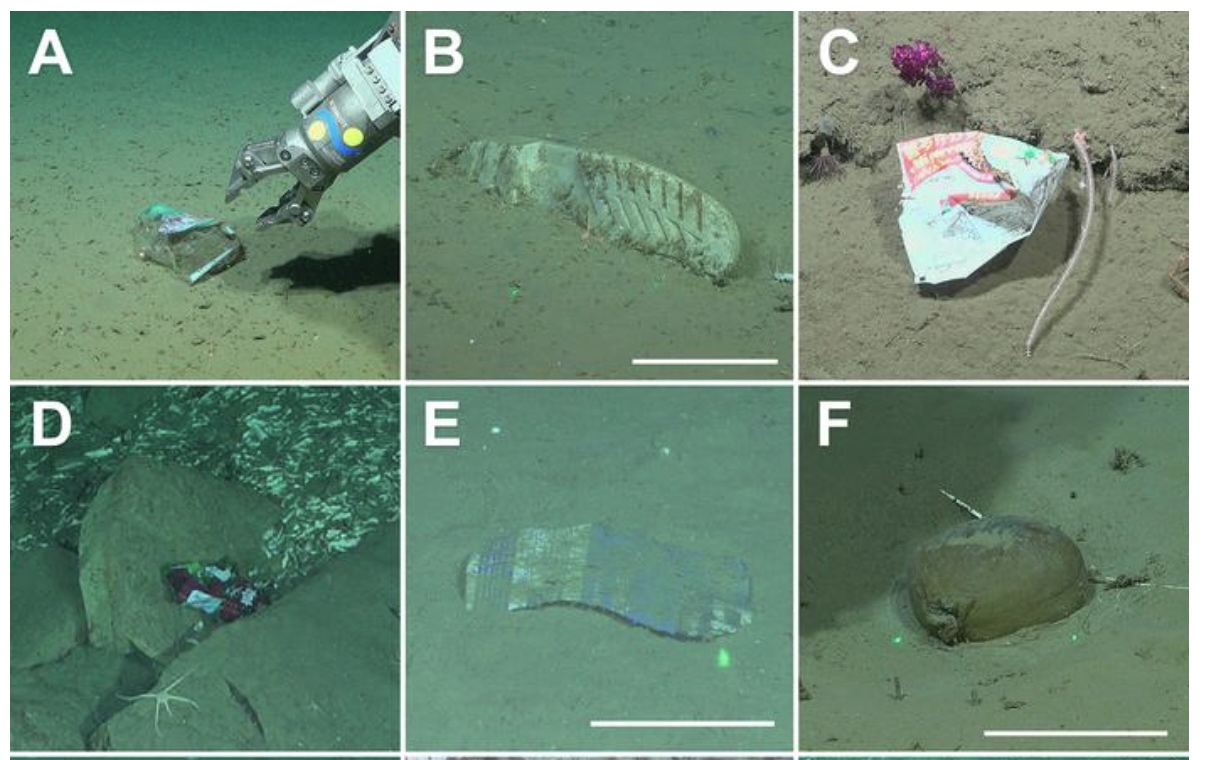
The presence of human-made debris in remote oceanic environments indicates a systemic failure that Asia-Pacific nations, including Thailand, must address beyond localized clean-up efforts.

The emphasis on Indigenous-led initiatives raises questions about capital allocation for sustainability efforts.

Indigenous land ownership shifts require scrutiny regarding their capital implications, particularly for Asia-Pacific.

Uganda's rhino reintroduction marks a local recovery, yet the broader struggle for the northern white rhino underscores the limits of species revival.

A regional council's vote to potentially end a nitrate emergency highlights the tension between stated environmental goals and capital priorities, a dynamic pertinent to the Asia-Pacific.

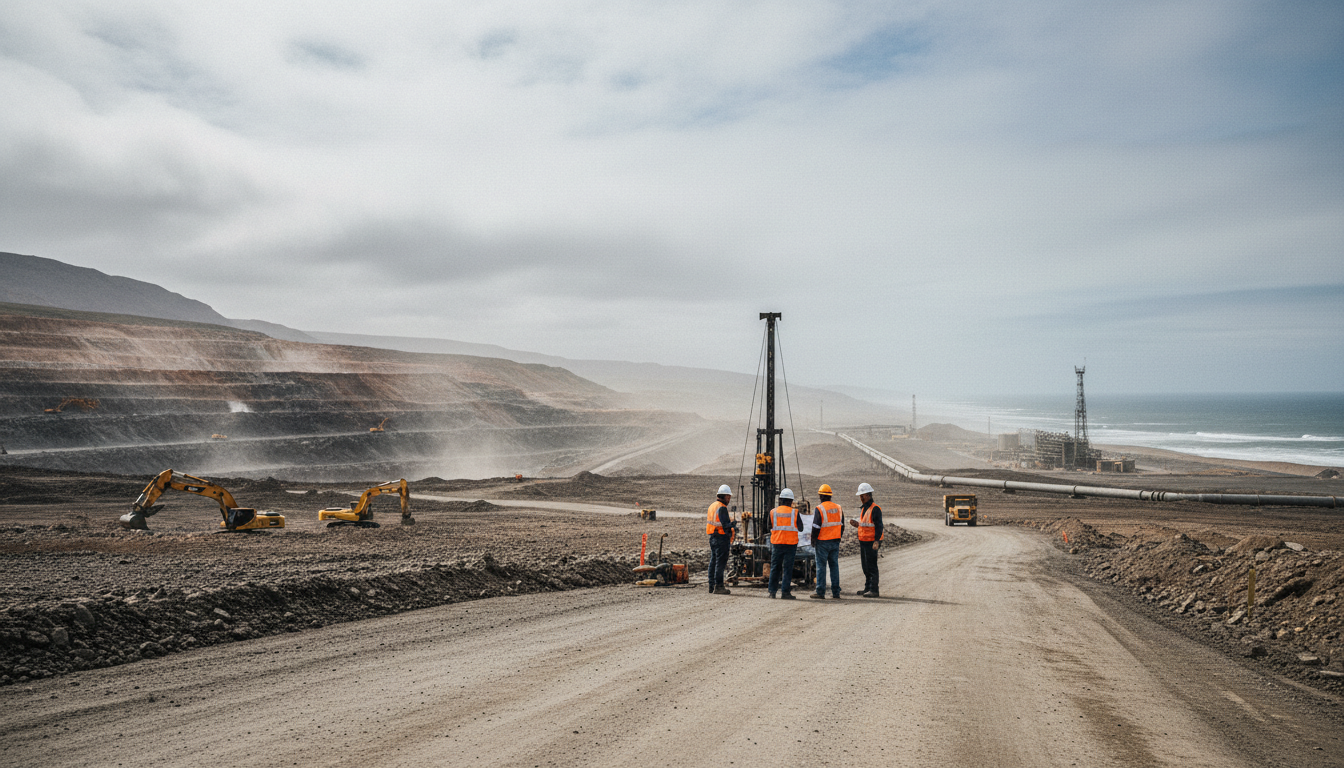
The global push for 'green' energy technologies risks intensifying resource extraction, with potentially severe ecological consequences for the region's sensitive habitats.

SINGAPORE —Persistent cyberattacks on Taiwan reveal a regional vulnerability that extends beyond digital infrastructure.