Reintroduction Efforts Highlight Unresolved Genetic Loss in Conservation
Uganda's rhino reintroduction marks a local recovery, yet the broader struggle for the northern white rhino underscores the limits of species revival.
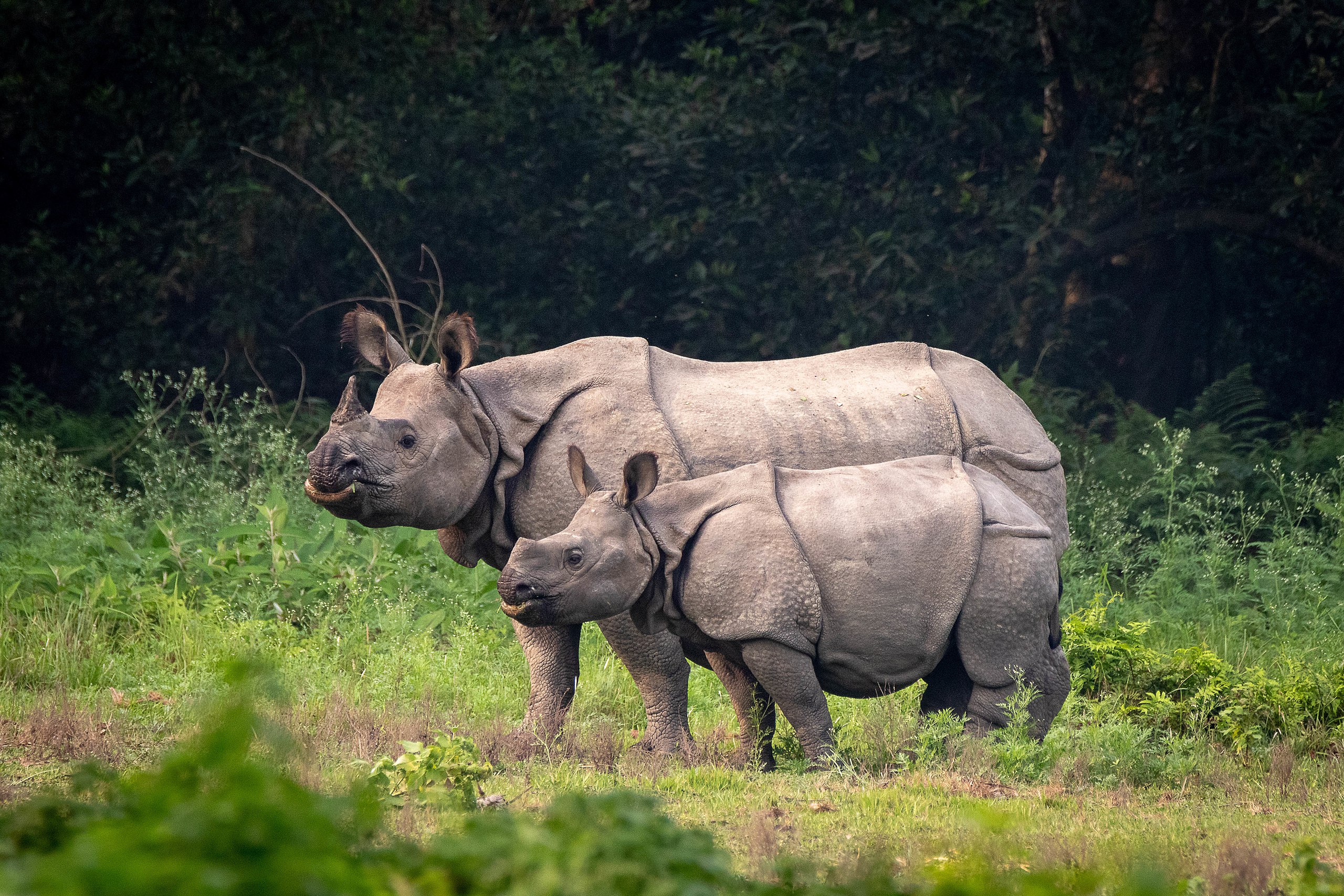
World Rhino Day 2026 brings attention to initiatives aimed at re-establishing rhino populations in regions where they had been eliminated. A Mongabay Asia report dated September 22, 2026, details Uganda's reintroduction of southern white rhinos (Ceratotherium simum simum) into Kidepo Valley National Park and Ajai Wildlife Reserve. This action follows the killing of Uganda’s last wild northern white rhino (Ceratotherium simum cottoni) for its horn in 1983. Benjamin Jumbe reported in March on the translocation of four southern white rhinos to each of these locations. This reintroduction represents a local success in bringing a rhino presence back to Uganda.
However, this effort also illustrates a fundamental constraint in species conservation. The rhinos reintroduced to Uganda are a different subspecies from the one that was lost. The northern white rhino subspecies is near functional extinction, with only two females remaining alive. This genetic reality means that while the broader white rhino species has shown population rebounds—ABC News reported a rebound in Africa's white rhino population in September 2023—the specific northern white rhino lineage faces a more severe challenge. The "World's first IVF rhino pregnancy" reported by the BBC in January 2024, while a scientific milestone, further emphasizes the critical state and extraordinary measures required for such specific lineages.
The capital plan for such reintroduction efforts, while demonstrating a commitment to conservation, must contend with the biological limits of what can be revived. The success in bringing a different subspecies into an area previously inhabited by another does not fully address the loss of the original. Critics might argue that any rhino presence is better than none for ecosystem health and local biodiversity, and indeed, this is a defensible position in terms of immediate ecological impact. The restored populations can fulfill ecological roles and generate conservation interest.
Yet, this approach implicitly acknowledges the practical impossibility of resurrecting a lost genetic line once it reaches critical numbers. The emphasis shifts from specific subspecies preservation to broader ecological restoration using available genetic material. This strategy, while pragmatic, highlights an unresolved tension: the commitment to 'saving a species' often translates to sustaining a related, but distinct, population. The underlying constraint remains the irreversible nature of specific genetic loss, a challenge that even significant capital investments in reintroduction can only partially mitigate.
Sources
Newsletter
Pacific Daily
A curated briefing from Thailand, Asia-Pacific and the world.