Copper Demand Signals Broader Threat to Asia-Pacific Wildlands
The global push for 'green' energy technologies risks intensifying resource extraction, with potentially severe ecological consequences for the region's sensitive habitats.
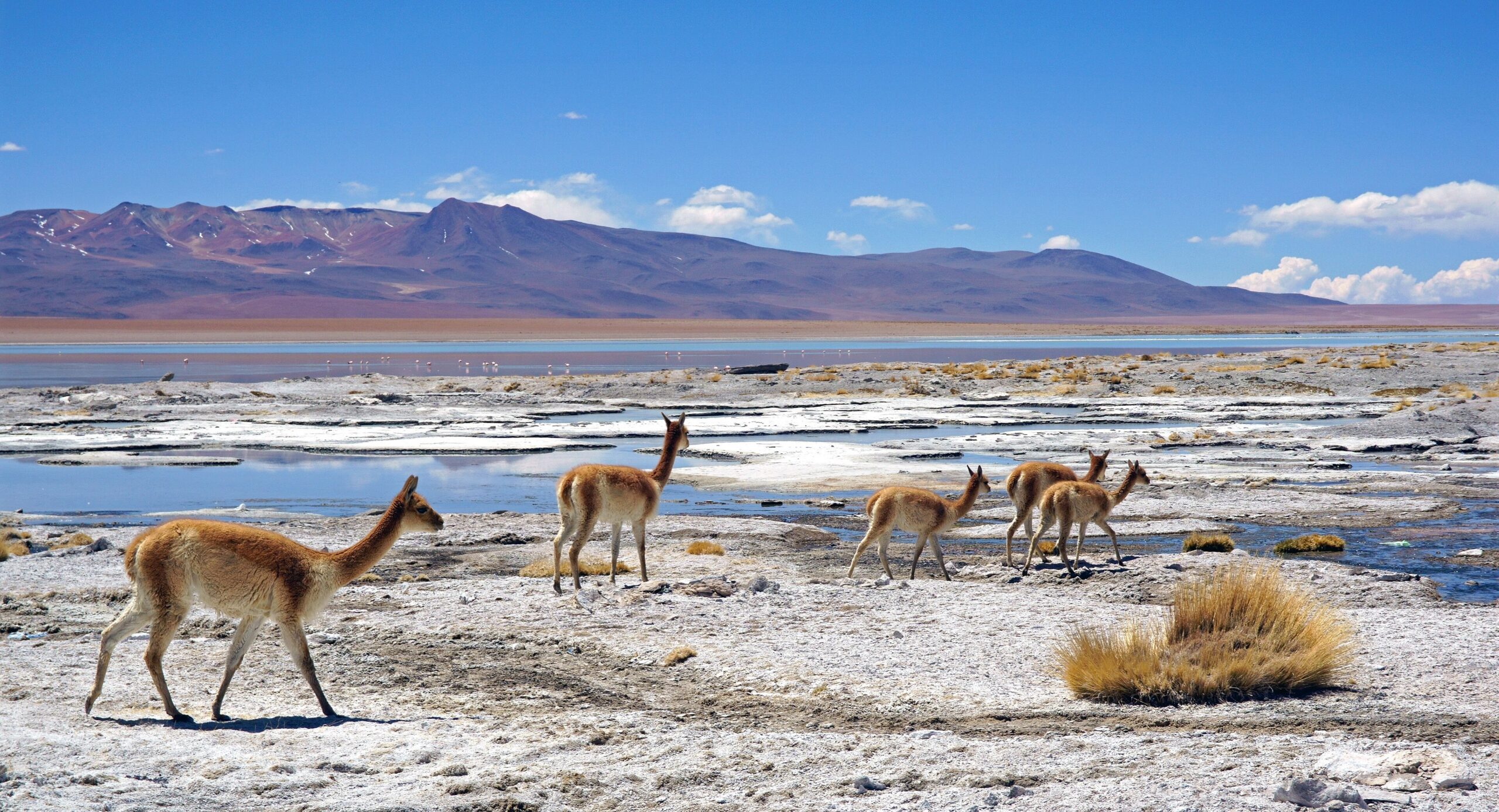
The reported pressures on vicuña populations in the Andes, driven by copper mining for the global energy transition, present a case study in the inherent contradictions of decarbonization. While the specific species and geography differ, the underlying dynamic — increased demand for critical minerals to support renewable energy infrastructure — implies a parallel set of risks for ecosystems across the Asia-Pacific.
The global drive to electrify transport and industrial processes, coupled with the expansion of renewable energy generation, necessitates a substantial increase in mineral extraction. Copper, central to these transitions due to its conductivity, is among the most affected. The evidence from the Andes, detailing the historical reduction of vicuña flocks from millions to 6,000 by the 1960s and their ongoing precarious survival despite Indigenous conservation efforts, demonstrates the long-term, compounding impact of resource exploitation on biodiversity. This historical precedent, even if geographically distant, holds implications for how new mineral rushes, spurred by environmental objectives, might unfold in other biodiverse regions.
For the Asia-Pacific, particularly nations like Thailand, which possess significant mineral deposits and biodiverse landscapes, this trend warrants close scrutiny. The region's extensive coastline and marine ecosystems, as well as its terrestrial forests, are vulnerable to the direct impacts of mining operations, including habitat destruction, water pollution, and disruption of local ecological systems. The pressure to meet increased demand for minerals like copper, nickel, and rare earths could accelerate the conversion of natural habitats into mining concessions, echoing the Andean experience where ‘Latin America biodiv’ is threatened by such activity.
The essential question for policymakers and investors is whether the commitment to sustainability in consumption survives contact with the capital plans for extraction. Current global trajectories indicate that raw material demand will escalate, necessitating new or expanded mining fronts. The reported 2026 Mongabay Asia article points to a future where species like the vicuña continue to be casualties of human ambition, even when that ambition is framed as environmentally progressive. The challenge for Thailand and other Asia-Pacific nations lies in navigating this demand without replicating the historical patterns of ecological degradation.
One might argue that technological advancements in mining, coupled with stricter environmental regulations, offer a pathway to mitigate these impacts. Proponents suggest that responsible mining practices and innovative reclamation techniques can minimize ecological footprints. However, the operational reality of large-scale extraction in remote, often ecologically sensitive areas, presents significant hurdles. The historical record of industrial development, including the dramatic decline of the vicuña, suggests that regulatory frameworks frequently lag behind the pace and scale of extraction. Furthermore, the ‘complex interplay of threats to its habitat’ cited by James Murray of the U.S. Institute for Environmental Research and Education regarding the vicuña underscores that habitat loss is rarely a singular issue; it is compounded by other anthropogenic pressures.
The dilemma remains: the global energy transition requires minerals, and the extraction of those minerals carries ecological costs. The case of the vicuña in the Andes is not an isolated event but a signal of a broader structural tension. For the Asia-Pacific, the task is to address this tension with a clear understanding of its potential environmental liabilities, without necessarily resolving the underlying conflict between environmental goals and resource demands. The unresolved constraint is the escalating global demand for resources against finite and fragile ecosystems.
Sources
Newsletter
Pacific Daily
A curated briefing from Thailand, Asia-Pacific and the world.