When Clinical Certainty Collapses into the Microphone
Christina Applegate's reversal on multiple sclerosis exposes the fragility of illness narratives when diagnostic clarity dissolves.
SINGAPORE
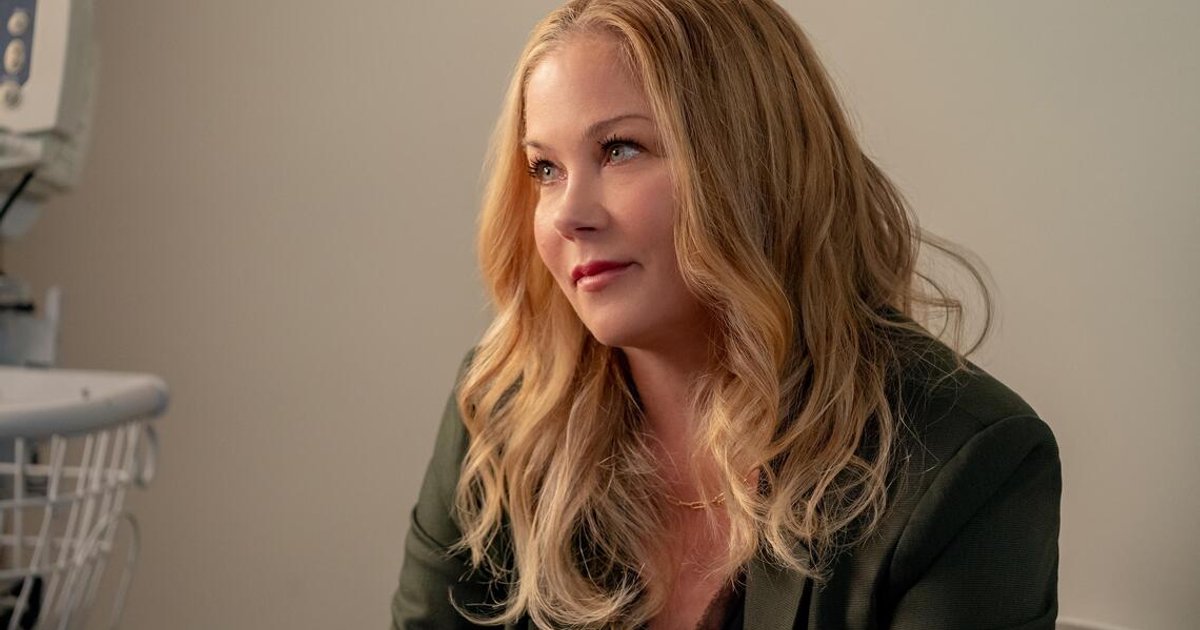
A parked vehicle outside a medical clinic presents a quiet, insurmountable threshold. Across asphalt and through automatic doors sits an examination room, yet crossing that distance on foot remains impossible for Christina Applegate. Even with a wheelchair waiting for doctor visits, the physical toll persists unchanged. What suddenly dissolved on an October broadcast was something far less tangible than motor function: the explanatory framework that had anchored her public and private life since 2021.
Speaking on her podcast, MeSsy, the Emmy-nominated actor announced that doctors had misdiagnosed her with multiple sclerosis. Describing herself as not happy and acknowledging she was back at square one, Applegate revealed an uncomfortable reality about modern medical diagnostics. A label that once delivered narrative clarity has vanished, leaving the underlying physical distress entirely unsolved.
Physical impairment endures, entirely indifferent to the taxonomy of medical charts.
The Architecture of Clarity
Public reckoning with chronic illness has transformed over the past decade into an intimate broadcast genre. Applegate, recognized globally for her work in the Netflix TV show Dead To Me, previously channeled her diagnosis into open conversations alongside fellow host Jamie-Lynn Sigler of Sopranos fame. That candour resonated because audiences crave unambiguous causality. When an admired performer loses mobility, society seeks a tidy clinical nomenclature to tame the randomness of bodily failure.
Medical error, however, disrupts that cultural compact. Receiving a named neurological condition allows an individual to organize daily life, select clinical regimens, and construct a language of coping. The diagnosis functions as psychological ballast. Applegate acknowledged that the initial verdict offered a distinct clarity, even as her body deteriorated. To have that diagnostic structure abruptly revoked by clinicians leaves the patient stranded in diagnostic limbo, bearing the full weight of physical limitation without any therapeutic roadmap.
The wrong diagnosis had once given her clarity, but now she is again searching for answers.
Skeptics of celebrity confession culture might argue that publicizing such reversals merely feeds digital media cycles hungry for personal drama. Chronic disease is notoriously complex, and clinicians frequently revise tentative assessments as symptoms evolve. From this perspective, sharing an ongoing diagnostic reassessment on a private audio feed risks generating public confusion around multiple sclerosis, an ailment that already presents notorious difficulties for physicians attempting accurate identification.
The Unaltered Body
Yet dismissing this disclosure as routine entertainment overlooks what it demonstrates about physical vulnerability. As Applegate's account suggests, diagnostic terms belong to institutional files, whereas physical impairment belongs strictly to the body. Removing the label of multiple sclerosis does not enable Applegate to walk unaided from her car. The wheelchair remains necessary. The severe symptoms continue unabated.
Herein lies the unsettling contradiction of modern clinical authority. Patients often endure protracted searches for recognition, celebrating the arrival of a diagnosis because it validates their lived pain against societal skepticism. Applegate herself sought testing after fellow actor Selma Blair urged her to examine the symptoms years ago. To discover later that the foundational diagnosis was erroneous reveals how fragile that institutional validation appears to be.
For audiences observing from afar, including listeners across global media markets who look to public figures for models of resilience, the revelation strips away easy consolations. Applegate sits before a microphone, speaking into an open audio channel, candidly acknowledging that certainty has evaporated while immobility remains constant. The car door opens to the exact same pavement, but the map in hand is entirely blank.
Sources
Newsletter
Pacific Daily
A curated briefing from Thailand, Asia-Pacific and the world.