Australia's Rainforest Restoration Efforts Face Monitoring Gap Amid El Niño Intensification
While significant planting occurs in Queensland's Wet Tropics, a study indicates that monitoring lapses compromise ecological objectives and investment efficacy, coinciding with a record-setting El Niño.
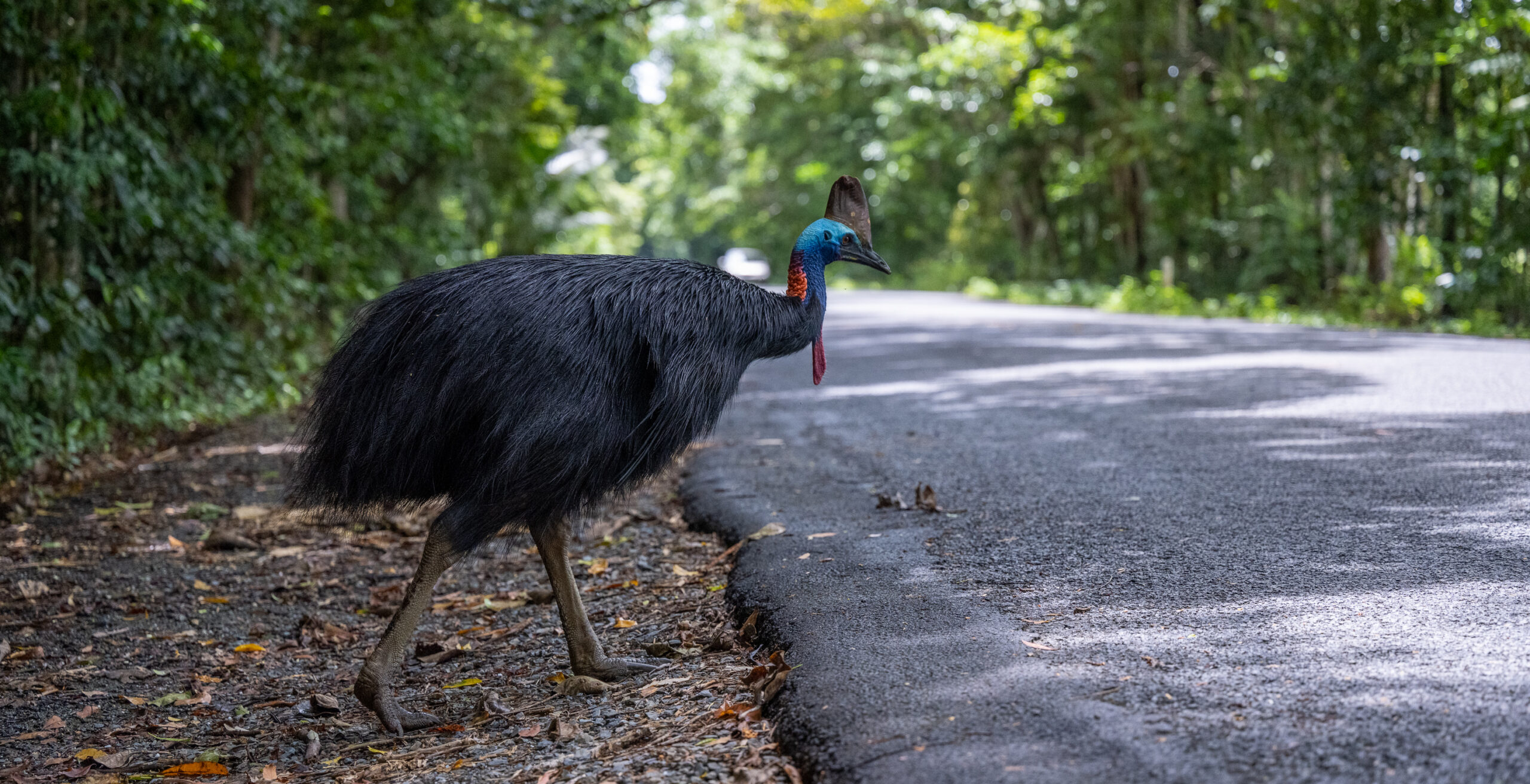
Relics of ancient wet forests stretch across the coast of Queensland state in Australia. In a landscape made patchwork by agriculture, volunteers, community groups, and Indigenous rangers now grow more than 300,000 native plants to turn cleared pasture back into rainforest. A new study finds that once the young trees shade out the weeds, some groups are not keeping track of the trees.
This gap means the goals these groups care about most, such as bringing back wildlife and reconnecting fragmented forest, are poorly captured by what most groups measure. Researchers from Australia’s James Cook University and the University of Queensland surveyed 25 organizations. Their findings highlight a disconnect between the initial restoration efforts and the sustained monitoring needed to confirm ecological success.
This situation gains particular relevance given the current climate phenomena. An El Niño event, declared in June 2026, became the strongest on record by September 2026, weeks before its expected peak. Australia is also on track for its wettest El Niño on record. While El Niño typically brings hotter, drier conditions to eastern Australia, global warming is changing its effects, with some regions experiencing unusual rainfall. Such fluctuating and intense weather patterns could place additional stress on newly planted restoration sites, making robust, long-term monitoring even more critical.
The absence of sustained tracking raises questions about the fundamental efficacy of restoration investments. If the long-term survival and ecological functions of the planted areas are not verified, the commitment to 'restoration' may not translate into tangible biodiversity gains. This raises a structural concern: whether the capital and effort poured into initial planting phases are truly delivering on the broader ecological goals. The focus on planting numbers rather than long-term survival rates or species return risks a performance illusion, particularly given the variable impacts of a strong El Niño.
For the Asia-Pacific region, where numerous countries engage in large-scale reforestation and ecosystem restoration projects, the Australian experience serves as a critical data point. The challenge of moving beyond planting metrics to verifiable ecological outcomes is not unique to Queensland. Without a capital plan for enduring monitoring, restoration initiatives risk falling short of their intended environmental benefits, leaving critical questions about accountability and impact unanswered.
Sources
Newsletter
Pacific Daily
A curated briefing from Thailand, Asia-Pacific and the world.