The enduring cost of 'legacy' environmental burdens in the Asia-Pacific
Accountability for ecological spread highlights a fundamental tension in capital planning.
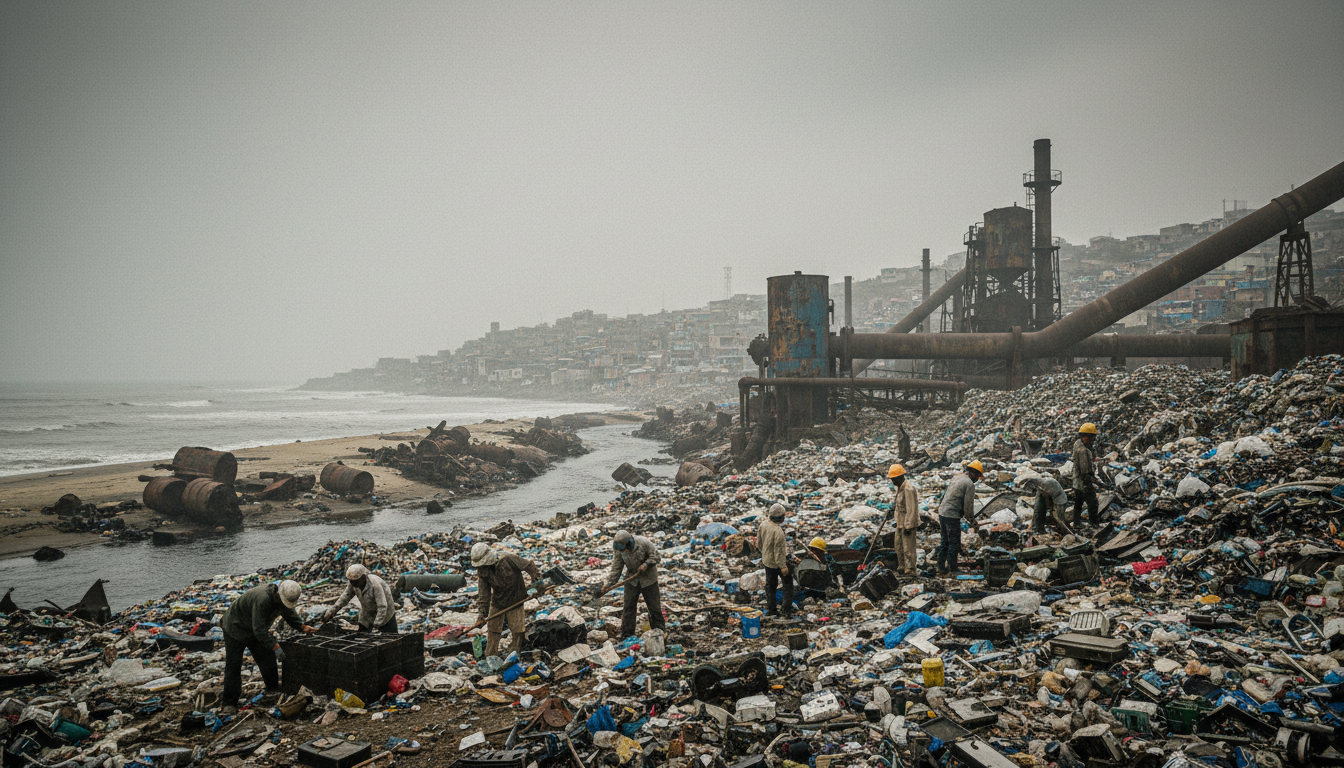
The call for legacy wilding pine forest owners in a hotspot to bear costs for the trees' spread underscores a structural challenge prevalent across the Asia-Pacific: the long-term financial and ecological burdens of past land use decisions. Wilding pine trees, reported by RNZ Environment in 2026, now affect approximately 3 million hectares of land across Aotearoa. These trees threaten indigenous biodiversity, productive farmland, tourism values, and water resources. The seeds, dispersed by wind, originate from various sources including forestry plantations, shelter belts, legacy erosion plantings, urban plantings, or uncontrolled areas.
About 80 percent of Aotearoa's known wilding pine infestations are currently managed. However, the Central Otago Wilding Pines Group highlights “horrendous” unchecked infestations in remote areas, emphasizing the need for stronger accountability regarding their spread. An RNZ Environment report in September 2026 stated, “If there isn't any repercussions there, legally or regulatory, then there's always going to be good and bad players.” This suggests that a lack of regulatory consequences directly enables continued environmental degradation.
This situation is not isolated. The underlying dynamic — where initial investment decisions have deferred or externalized environmental costs — is a recurring pattern. It forces a critical question for capital planning: does a commitment to sustainability genuinely integrate future ecological liabilities into present-day balance sheets, or does it merely manage existing problems after their full impact materializes? The Central Otago Group supports landowners in coordinating wilding controls, indicating a reactive approach to an issue already widespread. This raises a challenge for regions like Thailand, where rapid development and land transformation often prioritize immediate economic gains over long-term environmental stewardship. The economic model that allows for the creation of such 'legacy' issues without clear, upfront accountability mechanisms risks perpetual environmental debt. The cost of managing existing infestations, rather than preventing their spread, will continue to strain public and private resources.
Policy documents and statistical data would be necessary to fully assess the specific capital allocated to prevention versus remediation in such cases. The current evidence suggests a scenario where the onus to pay for the consequences falls on later generations or collective efforts, rather than being internalized by those who profited from the initial land use. This tension between initial profit and deferred environmental cost remains largely unresolved across many jurisdictions.
Sources
Newsletter
Pacific Daily
A curated briefing from Thailand, Asia-Pacific and the world.