Regulatory Overreach: The Cost of Policy Without Precision
A century-long ban on hand-pounded kalo, following a 1911 cholera outbreak, demonstrates the durable economic and cultural impact of broad governmental food safety interventions. Such history holds lessons for Asia-Pacific economies, including Thailand, facing similar policy challenges.
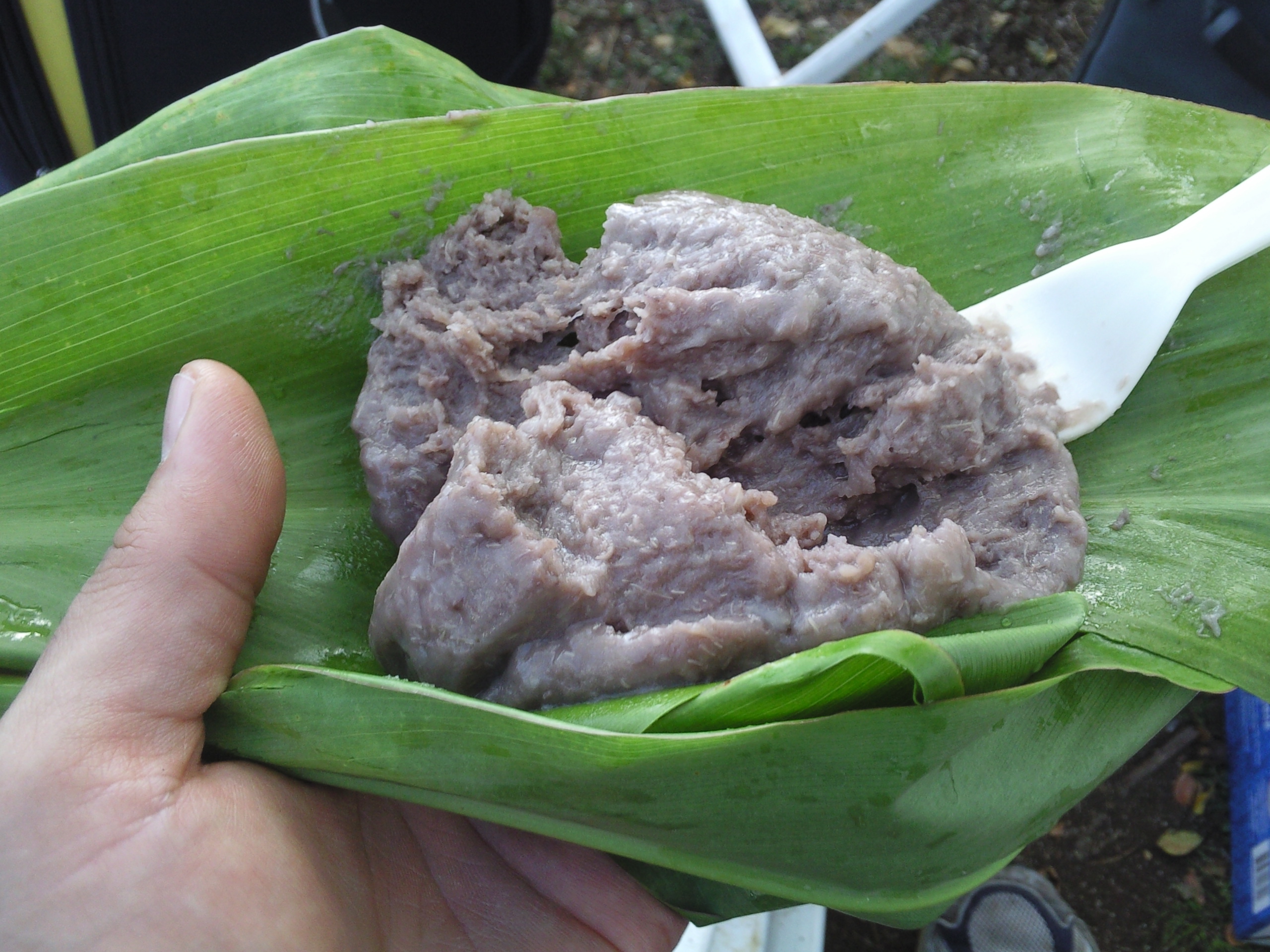
In 1911, a government, prompted by a cholera outbreak in Tokyo that winter, classified hand-pounded kalo, a food prepared by its people for a thousand years, as a public health threat. The resulting ban on its unregulated sale persisted for a century. This historical precedent illustrates the lasting economic and cultural consequences when public health concerns lead to sweeping regulatory actions rather than targeted interventions.
While the specific context of kalo is unique to its origin, the principle of a government deciding a traditional food product is unsafe, based on an attributed link to an outbreak, is not. The 1911 decision created a 100-year period during which the unregulated sale of hand-pounded kalo was illegal. The Honolulu Civil Beat reports that it took a century to reverse this policy. This extended prohibition represents a significant economic disruption for producers reliant on traditional methods, forcing an entire segment of an economy underground or out of existence, with potential implications for food security and cultural preservation.
For economies in the Asia-Pacific region, including Thailand, the kalo case offers a cautionary perspective on regulatory development. The region frequently balances rapid economic growth with preserving traditional practices and managing public health risks. A common challenge involves ensuring food safety without disproportionately impacting small-scale producers or traditional markets. Consider the impact on regional food systems if broad bans are enacted based on isolated incidents or attributed claims rather than precise, verifiable data on contamination sources and transmission vectors.
The critical question for policymakers is whether the narrative of public health risk is consistently supported by specific, verifiable numbers and rigorous epidemiological evidence, rather than circumstantial association. The 1911 decision regarding kalo highlights a potential for regulatory overreach: an outbreak in Tokyo leading to a century-long ban on a traditional food item, without explicit evidence presented in the available material linking kalo directly to the cholera cases or identifying specific vectors of contamination related to its preparation. The absence of an immediate, direct causal link between the specific preparation of hand-pounded kalo and the outbreak, as stated in the source, raises questions about the specificity of the initial regulatory action.
The long duration of the ban also indicates a lack of timely re-evaluation. A policy enacted due to a perceived threat in 1911 remained in effect for 100 years. This suggests that the process for assessing and adjusting regulatory measures, particularly those impacting traditional livelihoods, may have been inadequate. The economic costs of such prolonged restrictions—lost income for producers, diminished market access, and the erosion of cultural food practices—are substantial, even if difficult to quantify retrospectively for the kalo industry specifically from the provided material.
Governments in the Asia-Pacific, when addressing public health crises, face pressure to act decisively. However, the history of kalo suggests that the precision of these actions, and their subsequent re-evaluation, can define economic outcomes for generations. The outcome now depends on whether future policy interventions are guided by rigorous, data-driven analysis that distinguishes between attributed claims and verifiable facts, preventing the recurrence of century-long, broadly applied prohibitions where more targeted solutions might suffice.
Sources
Newsletter
Pacific Daily
A curated briefing from Thailand, Asia-Pacific and the world.