Brazil's Data Centre Boom Reveals a Global Energy Tension
An influx of renewable energy-driven data centres in Brazil highlights a paradox for Thailand and Southeast Asia: clean power can enable resource-intensive digital expansion, but the environmental costs may shift rather than diminish.
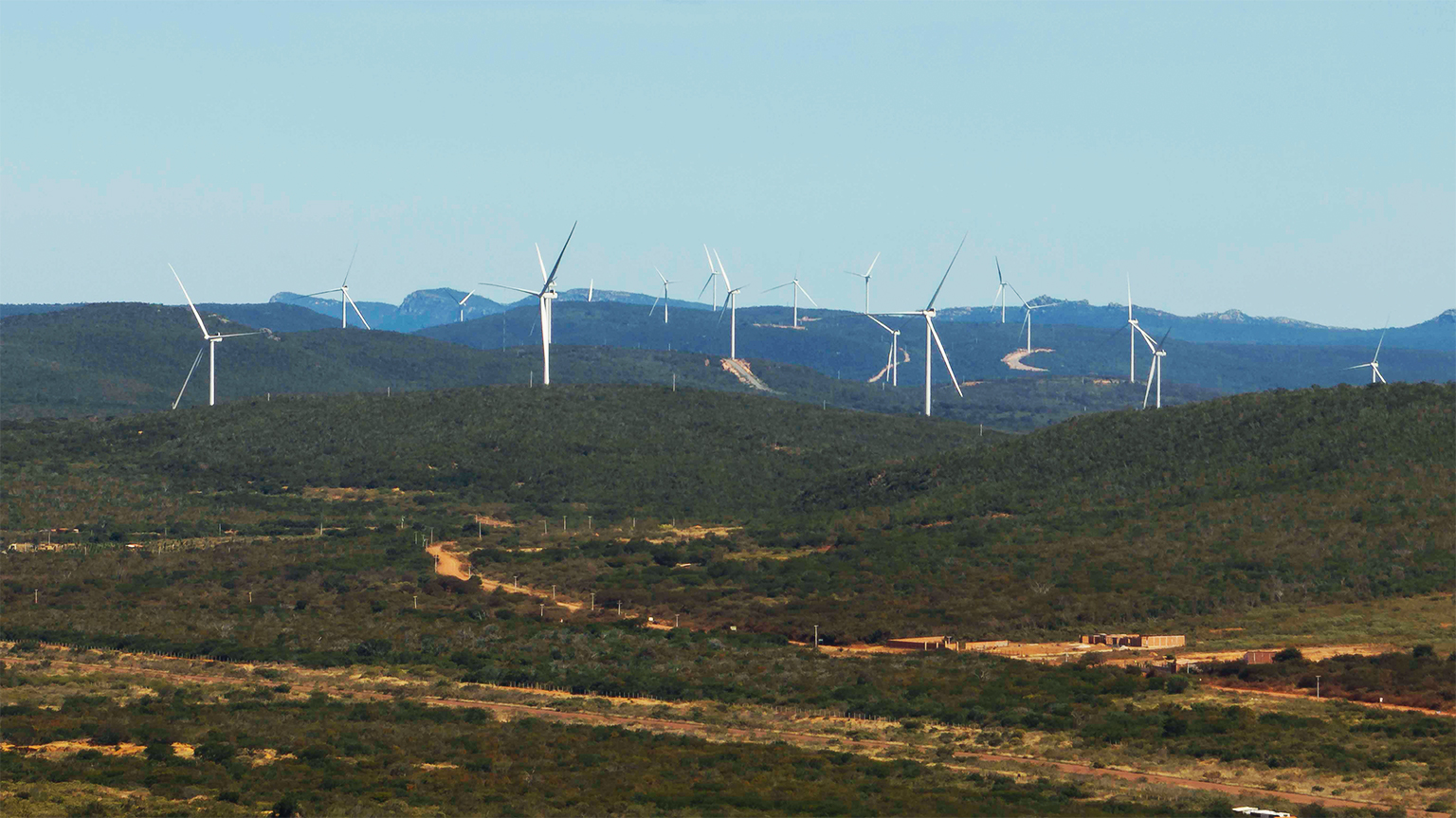
Brazil's recent surge in data centre development, propelled largely by renewable energy companies, presents a complex pattern for nations like Thailand and others across the Asia-Pacific. A joint analysis by The Intercept Brasil and Mongabay found that as of December 2025, 68 requests to connect data centres to Brazil’s national power grid were pending. Notably, 65% of these were registered by renewable energy firms, including wind and solar power plants, indicating a significant shift towards green energy for this sector.
This trend is rooted in Brazil’s specific energy landscape. The country produces more renewable energy than its national power grid can consistently distribute. This excess capacity, which can cause grid disruptions and blackouts, frequently leads the national grid operator to order plants to reduce output. This surplus clean energy has attracted energy-intensive operations, with Reuters reporting in October 2025 that it drew cryptocurrency miners. In December 2025, Bloomberg.com reported Brazil’s emergence as an AI hot spot, with TikTok planning a significant data centre investment of over US$37 billion, or more than 200 billion reais, according to The Business Times.
For Asia-Pacific markets, this Brazilian experience suggests that the availability of perceived surplus or underutilised renewable energy can act as a powerful magnet for data infrastructure. Countries across Southeast Asia, including Thailand, are actively investing in renewable energy sources and digital infrastructure. As these nations expand their clean energy capacity, they may also face periods of grid oversupply or limitations in transmission infrastructure. The Brazilian case demonstrates how such conditions can be leveraged to attract high-demand digital industries, presenting both economic opportunity and potential challenges.
The implications, however, are not uniformly positive. While data centres powered by wind and solar are often framed as environmentally responsible, their sheer scale introduces other resource demands. In Chile, for instance, a data centre boom has been linked to the exacerbation of mega-droughts, according to The Guardian in May 2026, highlighting significant water consumption. Although the primary energy source may be renewable, the operational requirements for cooling and other processes demand substantial water and land resources. This means that while carbon emissions from power generation might decrease, the environmental footprint shifts to other critical areas. The focus on renewable energy in data centre development in Brazil does not negate the broader ecological impact of increased digital infrastructure.
Thailand, with its ongoing efforts to balance economic development with environmental sustainability, may encounter similar trade-offs as it pursues greater digital capacity and renewable energy adoption. The unresolved tension lies in the fact that even clean energy-powered digital expansion can create new resource strains, presenting a challenge that remains for policymakers and infrastructure planners across the region.
Sources
Newsletter
Pacific Daily
A curated briefing from Thailand, Asia-Pacific and the world.