Beijing's Cultural Engagements in Malaysia Intersect With Broader Geopolitical Realities
While soft power initiatives target specific demographics, China's overall regional strategy shows varied and sometimes conflicting priorities.
SINGAPORE
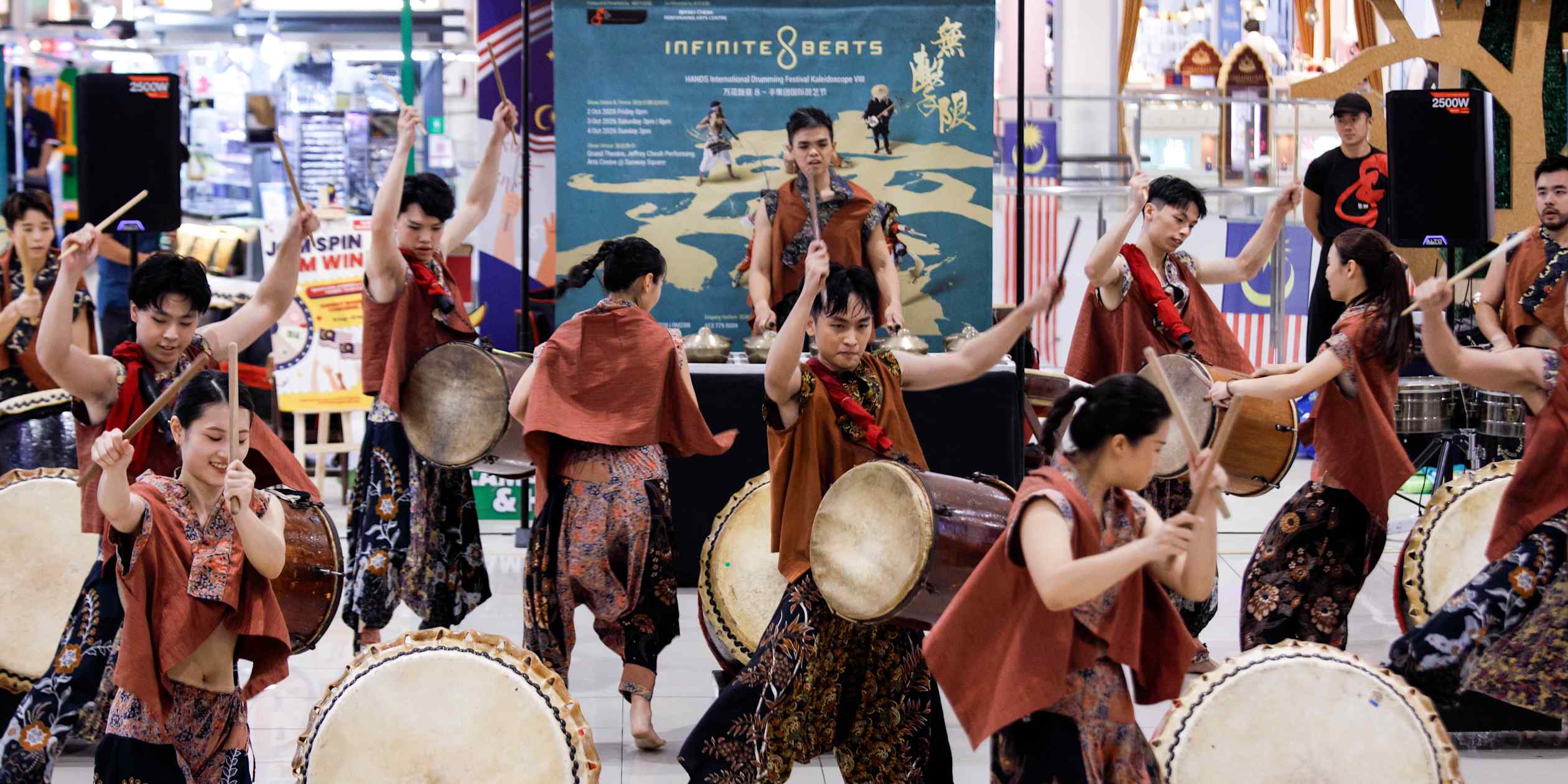
Beijing's reported deployment of pop culture to engage Malaysian Chinese audiences suggests a deliberate strategy in regional influence. This approach, focused on cultural affinity, targets a specific demographic within Malaysia. That Beijing actively wields pop culture indicates a calculated, strategic engagement that extends beyond conventional diplomacy or economic leverage, as reported by Nikkei Asia on October 9, 2026.
This stated effort to court Malaysian Chinese underscores a focus on identity politics and cultural ties. The strategy acknowledges shared heritage and seeks to foster goodwill through entertainment and media. However, this cultural outreach operates within a broader context of dynamic regional interactions. The employment of cultural tools does not negate other geopolitical realities.
Simultaneously, Beijing confronts challenges in other arenas. The Japan Times reported on AI ‘warning shots’ focusing Beijing on national security risks. This indicates internal priorities that may diverge from external soft power projection, particularly regarding critical risk assessment. Such internal considerations, related to national security implications, shape how China navigates its international relations, even while pursuing cultural initiatives.
From a regional perspective, the Lowy Institute indicated in July 2026 that Beijing attempts to make Tokyo "toxic" in Southeast Asia. This illustrates a more overt, competitive dimension to Beijing's foreign policy. The simultaneous pursuit of cultural overtures in Malaysia and strategic friction with Japan in Southeast Asia points to a multi-faceted and, at times, contradictory approach to regional engagement. Any commitment to cultural soft power must contend with such competitive capital plans.
The specific targeting of Malaysian Chinese by Beijing also prompts questions about the broader implications for Thailand and other Southeast Asian nations with significant Chinese diaspora communities. While the immediate focus is Malaysia, similar strategies could be adapted or perceived differently elsewhere. The utility of pop culture as a tool for influence is not confined to one national border. How distinct nations respond to, or perceive, such cultural initiatives often depends on their own internal social and political dynamics, as well as their specific relationships with China.
This action, reported by Nikkei Asia, highlights the varied methods states employ to secure influence. The ongoing shift in regional power dynamics means that while cultural ties are being reinforced in some areas, more traditional forms of engagement and competition persist elsewhere. An unresolved tension lies in how these diverse methods of influence, ranging from cultural production to security warnings, coalesce or conflict across the Asia-Pacific landscape. The commitment to cultural initiatives does not alleviate the pressures of capital planning or security concerns, but rather operates alongside them.
Sources
Newsletter
Pacific Daily
A curated briefing from Thailand, Asia-Pacific and the world.