Cultural Recognition Highlights Urban Development Risks in Asia-Pacific
An Italian award for a Taiwan novel titled ‘Ghost Town’ underscores growing concerns over underutilized urban spaces and the long-term viability of rapid development models.
SINGAPORE
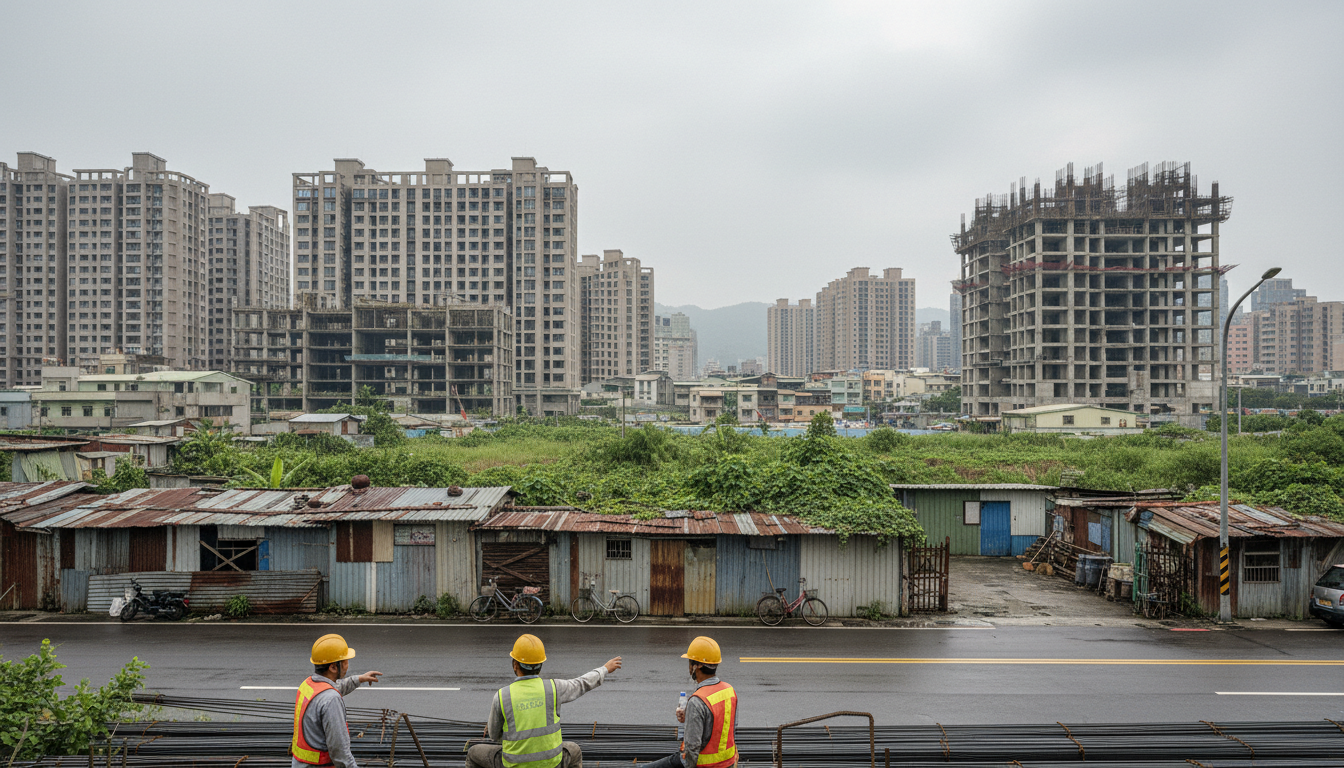
A Taiwan novel titled ‘Ghost Town’ received an Italian book award on October 3, 2026, for its translation. While recognition for cultural works is notable, the title’s implications warrant examination, particularly for countries in the Asia-Pacific grappling with rapid urbanization and its consequences. The Taipei Times reported on the award, which was given to the Italian translator.
‘Ghost Town’ as a concept often denotes underutilized or abandoned urban spaces, typically a result of failed economic projections or demographic shifts. This phenomenon is not unique to fiction. Reuters reported in 2020 that Turkey intended to re-open a northern Cyprus ghost town after 46 years. More recently, bbc.com in 2026 highlighted Forest City in Malaysia, describing it as a ghost town that became a 'Trojan horse for scammers'. These examples indicate that the narrative of a 'ghost town' is increasingly resonant, reflecting tangible economic challenges related to urban planning and investment.
For regions undergoing massive infrastructure projects and property development, the risk of creating such towns is a quantifiable concern. The narrative impact of a novel bearing such a title, particularly one receiving international recognition, can subtly influence public perception and investor confidence. While the specific content of the novel and its direct impact on Thailand or other Asian economies are not detailed in the available information, the thematic relevance is clear. The reputational costs of urban decay or unfulfilled development promises can be substantial, as seen in how a mayor defended San Francisco's reputation in 2026, as reported by ABC News, or how Hong Kong’s reputation as a 'foodies’ heaven' was perceived to be 'hanging in the balance' in 2025, according to the South China Morning Post.
Such cultural recognition of a 'ghost town' theme thus serves as an indirect but potent signal regarding the sustainability of certain development models. It underscores a tension between ambitious growth targets and the lived realities of urban spaces. The challenge for policymakers remains in balancing investment in new urban centers with ensuring their long-term viability and social integration, thereby preventing the creation of actual ‘ghost towns’ that only exist as a concept within a novel.
Sources
Newsletter
Pacific Daily
A curated briefing from Thailand, Asia-Pacific and the world.