Infrastructure Projects Face Recurring Regional Tensions
The proposed SALEX expressway in the Philippines illuminates a persistent conflict between economic development priorities and environmental, health, and heritage concerns across Asia-Pacific.
SINGAPORE
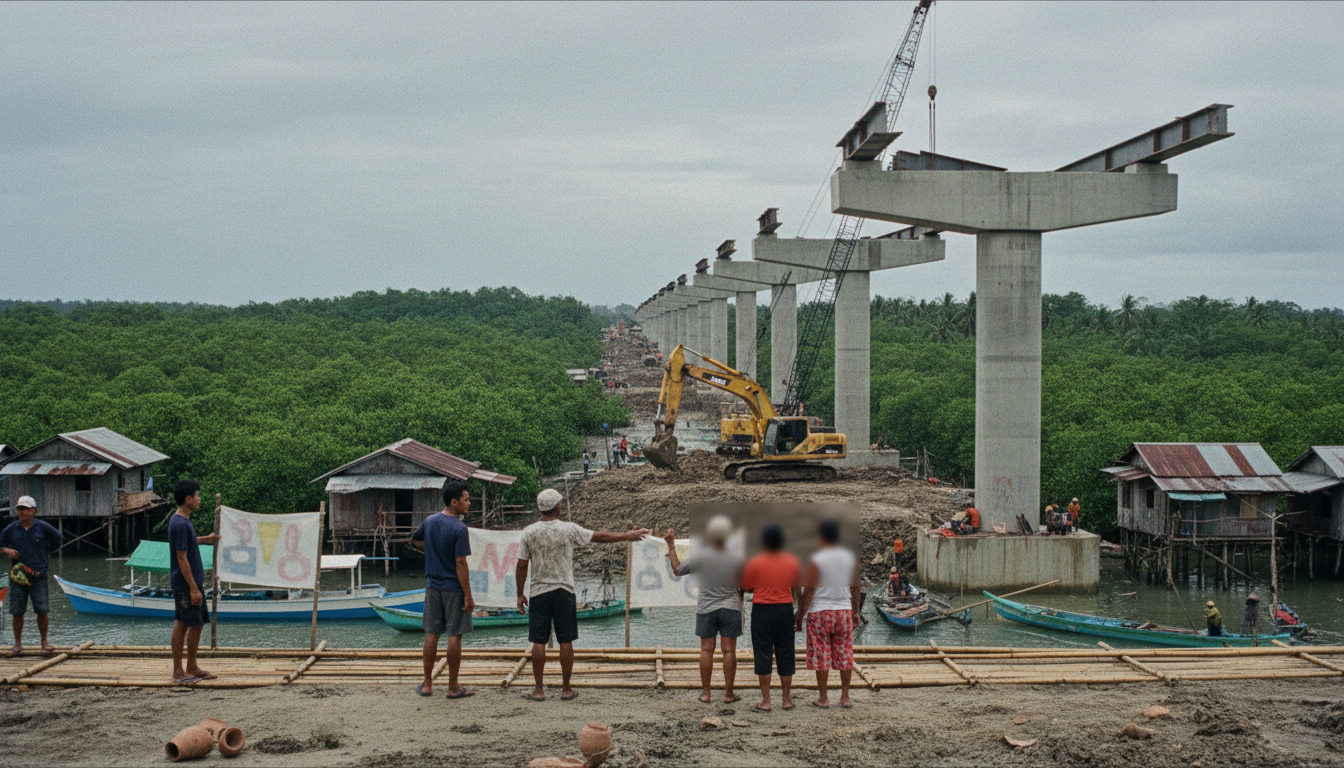
Across the Asia-Pacific region, the drive for infrastructure development frequently encounters resistance rooted in local and environmental concerns. The proposed SALEX expressway in the Philippines, described by Rappler on September 19, 2026, exemplifies this recurring tension, highlighting a familiar pattern where large-scale projects, intended to alleviate congestion or spur economic activity, provoke significant local opposition. Critics of SALEX, including transportation advocates, anticipate increased traffic, negative health impacts, and the irreversible loss of heritage sites due to extensive tree-cutting. This opposition is not new; it reflects a broader challenge in balancing national development agendas with specific regional consequences.
The stated goal of improving transportation infrastructure is a consistent theme across the region. Reports from the South China Morning Post in December 2021 underscored the importance of transport improvements for Asia-Pacific's post-pandemic recovery. More recently, in May 2024, The Jakarta Post noted the ITS Asia Pacific Forum's encouragement for better Indonesian transportation. These initiatives often frame infrastructure as a critical engine for economic growth and connectivity. However, the path to achieving these macro-level benefits frequently runs through communities, prompting questions about who bears the direct costs.
The Australian leader, as reported by Reuters in April 2026, urged the public to use public transport, implicitly acknowledging the existing strain on urban systems. This regional call to shift transport habits contrasts with the continued push for new expressways, which tend to prioritize private vehicle movement. The SALEX case, with its predicted negative effects, positions critics as direct counterpoints to the project’s proponents. The argument that new roads will lead to worse traffic and health outcomes, alongside heritage destruction, challenges the fundamental assumptions driving such projects. It suggests that the projected benefits may be overshadowed by localized detriments, creating a zero-sum outcome for affected communities.
This dynamic exposes a systemic challenge: the central planning of infrastructure often overlooks or under-prioritizes the specific, quantifiable impacts on local environments and populations. While proponents cite broad economic necessity, critics are left to catalogue the tangible losses—fewer trees, poorer air quality, diminished historical sites—that fall disproportionately on those in the project’s immediate vicinity. The question remains whether these localized costs are adequately factored into regional strategic planning, or if they continue to be externalized, prompting these recurring, often bitter, disputes. The SALEX controversy serves as a reminder that the ambition for regional connectivity often clashes with the preservation of local character and well-being, leaving an unresolved tension at the heart of many development policies.
Sources
Newsletter
Pacific Daily
A curated briefing from Thailand, Asia-Pacific and the world.