Discounted National Park Tickets: A Limited Tactic Amid Broader Tourism Shifts
National holiday promotions for domestic travel may offer short-term relief, but fail to address deeper structural pressures shaping Asia-Pacific tourism flows.
SINGAPORE
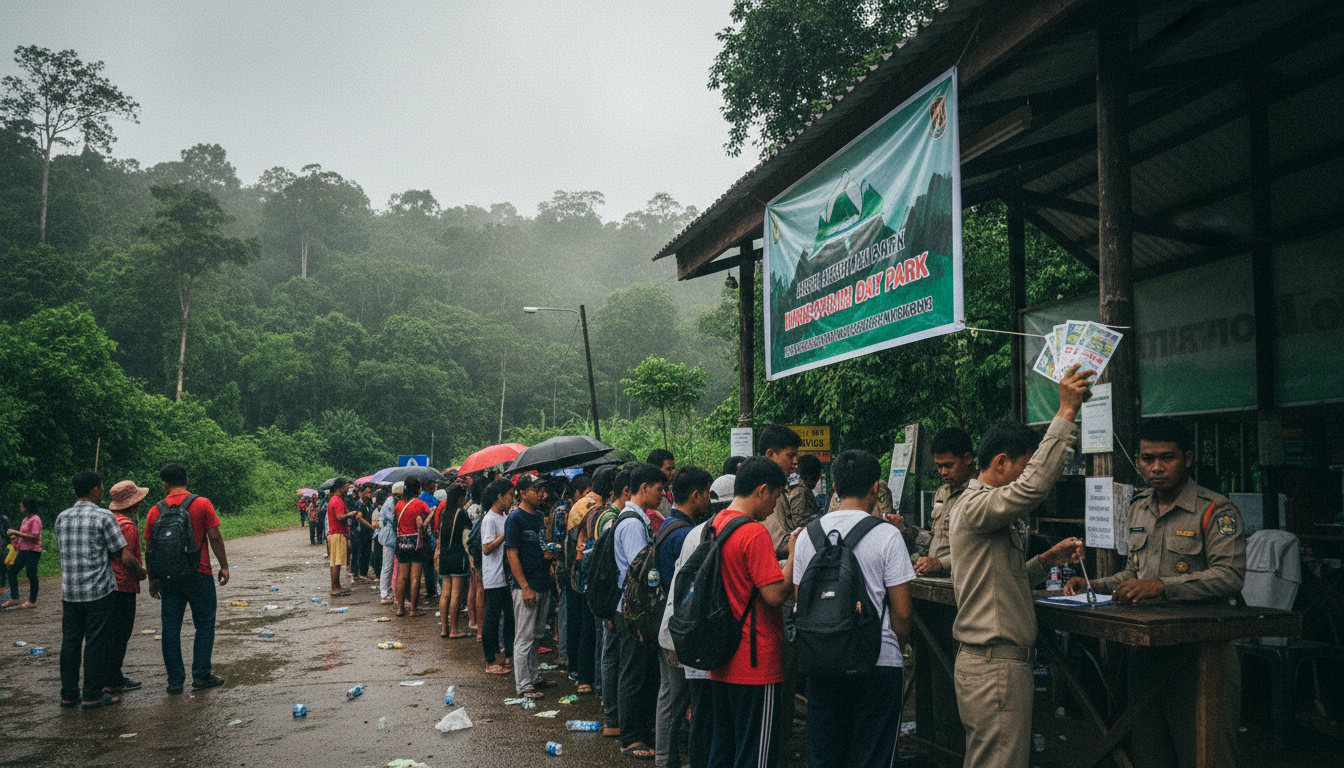
National parks are offering discounted tickets for a national holiday, according to the Taipei Times [1]. This initiative aims to stimulate domestic tourism by reducing entry costs for local visitors. Such promotions typically target short-term demand, encouraging local populations to utilize national attractions during peak holiday periods.
While reduced ticket prices can temporarily boost visitor numbers and generate revenue for park operations, they operate within a complex economic and policy landscape. The underlying incentive is often to shore up local economies or redistribute tourism benefits domestically, especially when international travel patterns shift or remain volatile. This tactic is a response to immediate needs rather than a strategic reorientation of the tourism sector.
The broader regional context indicates significant external pressures on national tourism strategies. In November 2025, The New York Times reported that the Trump Administration planned to raise prices for foreign visitors at national parks [2], signaling a potential move towards differential pricing based on nationality. Such policies, whether implemented in the United States or elsewhere, can alter the cost-benefit analysis for international tourists, redirecting their travel choices. If major destinations become more expensive for certain visitor segments, other nations, including those in Southeast Asia, may see shifts in tourist influx.
Furthermore, economic and security policies in key source markets can influence travel. The Japan Times noted in September 2026 that China’s new tech and national security exit rules had taken effect [4]. While the direct impact on tourism is not detailed in the available information, such regulations can create hurdles or disincentives for international travel, potentially reducing outbound tourism from a critical market for many Asia-Pacific nations. This implies that reliance on international visitors may become more complex to maintain, compelling countries to foster domestic tourism.
Discounted tickets address only one variable in the intricate equation of tourism demand. They do not fundamentally change the long-term attractiveness of a destination, nor do they mitigate the impact of macro-level policy changes or global economic shifts. For instance, Forbes published a list in May 2025 of the 10 cheapest national parks to fly to [3], indicating that travel cost remains a significant factor for leisure travelers. Domestic discounts do not influence international flight prices or broader travel budgets.
The incentives behind these national park discounts are clear: to capitalize on a national holiday to drive local engagement and revenue. The winners are local tourists who benefit from lower prices and the national parks that see increased domestic visitation. However, the limitation of this approach is its inability to address the structural shifts occurring in global tourism, driven by differing national policies and evolving economic conditions. The outlook for sustainable tourism growth, particularly for countries reliant on international arrivals, depends on broader adaptations beyond localized price reductions. The unresolved constraint remains how national tourism bodies can adapt to external policy changes and economic dynamics that are beyond their direct control.
Sources
Newsletter
Pacific Daily
A curated briefing from Thailand, Asia-Pacific and the world.