Formula One Decision on Middle East Races Reveals Geopolitical Calculations
The confirmation of Formula One Grands Prix in Qatar and Abu Dhabi despite regional instability highlights a complex interplay between commercial interests, sports diplomacy, and the broader strategic landscape of the Asia-Pacific.
SINGAPORE
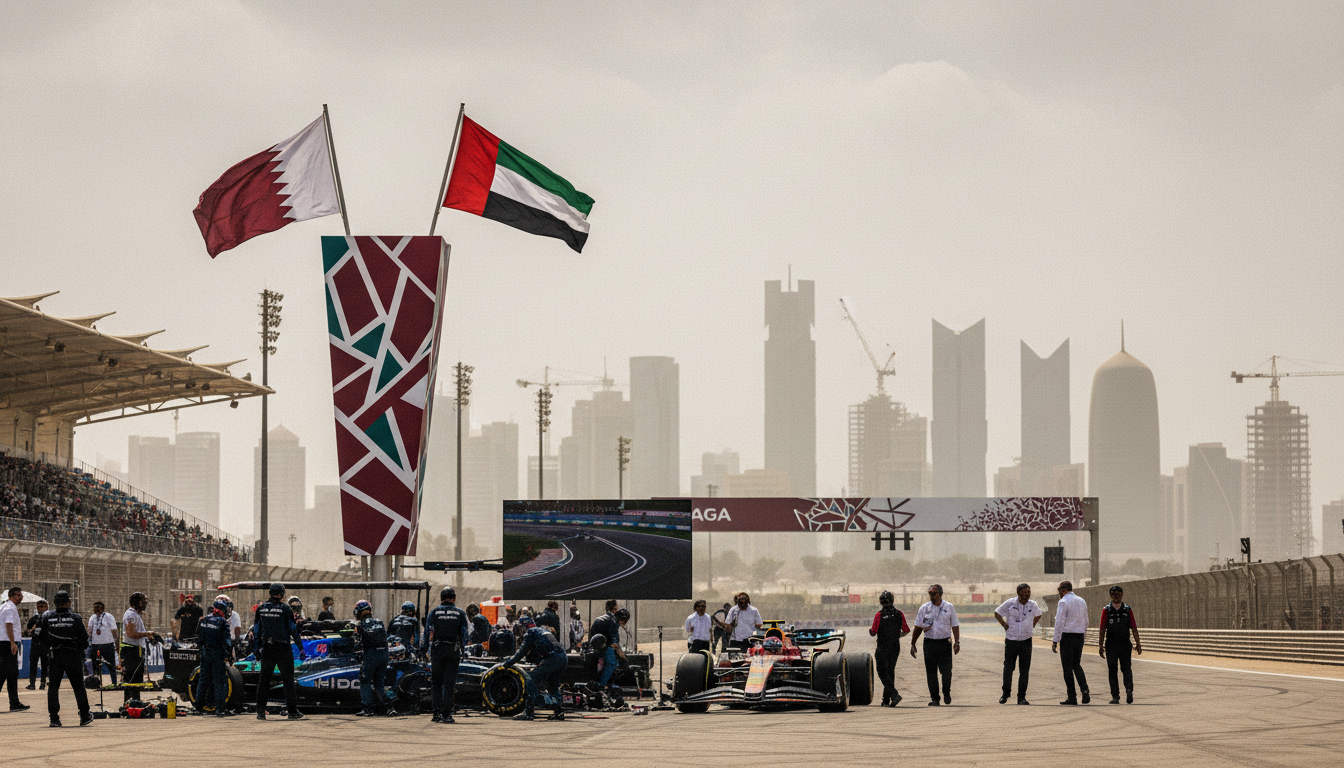
Formula One CEO Stefano Domenicali confirmed on October 3 that the final races of the season in Qatar and Abu Dhabi would proceed as planned, a decision made on the sidelines of the Bahrain Grand Prix, which was relocated to Malaysia's Sepang circuit. This confirmation follows earlier reports suggesting the decision could slip, with Imola readied as a contingency for a potential finale. The continuation of these events, despite what F1 describes as tensions in the Middle East, underscores the enduring commercial and diplomatic weight of the Gulf states in global sports.
The relocation of the Bahrain Grand Prix to Sepang, Malaysia, however, signals a capacity for rapid logistical adjustment within the sport. While the Qatar and Abu Dhabi races proceed, the shift of another event to Southeast Asia reflects an underlying flexibility, possibly influenced by varying degrees of stability perception or existing infrastructure. This adaptation demonstrates that while certain venues remain anchored by significant investment and strategic partnerships, others can serve as viable alternatives when circumstances demand it.
For the Asia-Pacific region, this sequence of events carries specific implications. Malaysia’s ability to host a Formula One race on short notice, stepping in for Bahrain, highlights its operational readiness and existing infrastructure. This may position other nations in the region with similar capabilities as potential future hosts or reliable contingencies for major international events. The stability of the Gulf races, even amidst regional tensions, contrasts with the agile response seen with the Malaysian venue, illustrating a nuanced approach to risk assessment by the sport's governing bodies.
The decision by Formula One reflects a strategic balancing act. The confirmed races in Qatar and Abu Dhabi represent established commercial relationships and significant financial commitments, which appear to outweigh the perceived risks of regional tensions for the sport's leadership. Simultaneously, the utilization of a venue in Southeast Asia for a relocated race demonstrates a broader geographic reach and operational adaptability. This pattern suggests that while Formula One maintains its commitments to core partners, it also seeks to mitigate risks through geographic diversification and preparedness for rapid venue changes. The unresolved tension lies in how future geopolitical shifts might further redefine the commercial calculus for global sporting events reliant on regional stability.
Sources
Newsletter
Pacific Daily
A curated briefing from Thailand, Asia-Pacific and the world.