SustainabilityPacific Original
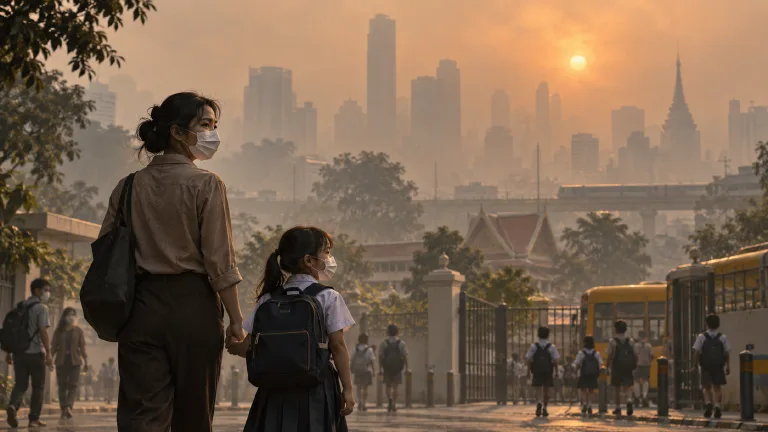
When the Air Keeps Children Home: How Southeast Asia's Haze Is Reshaping Everyday Life
By Mei-Ling Chow9 min read0
Contributor
Global Affairs Correspondent
Mei-Ling Chow writes on diplomacy, security and trade policy across the Indo-Pacific.
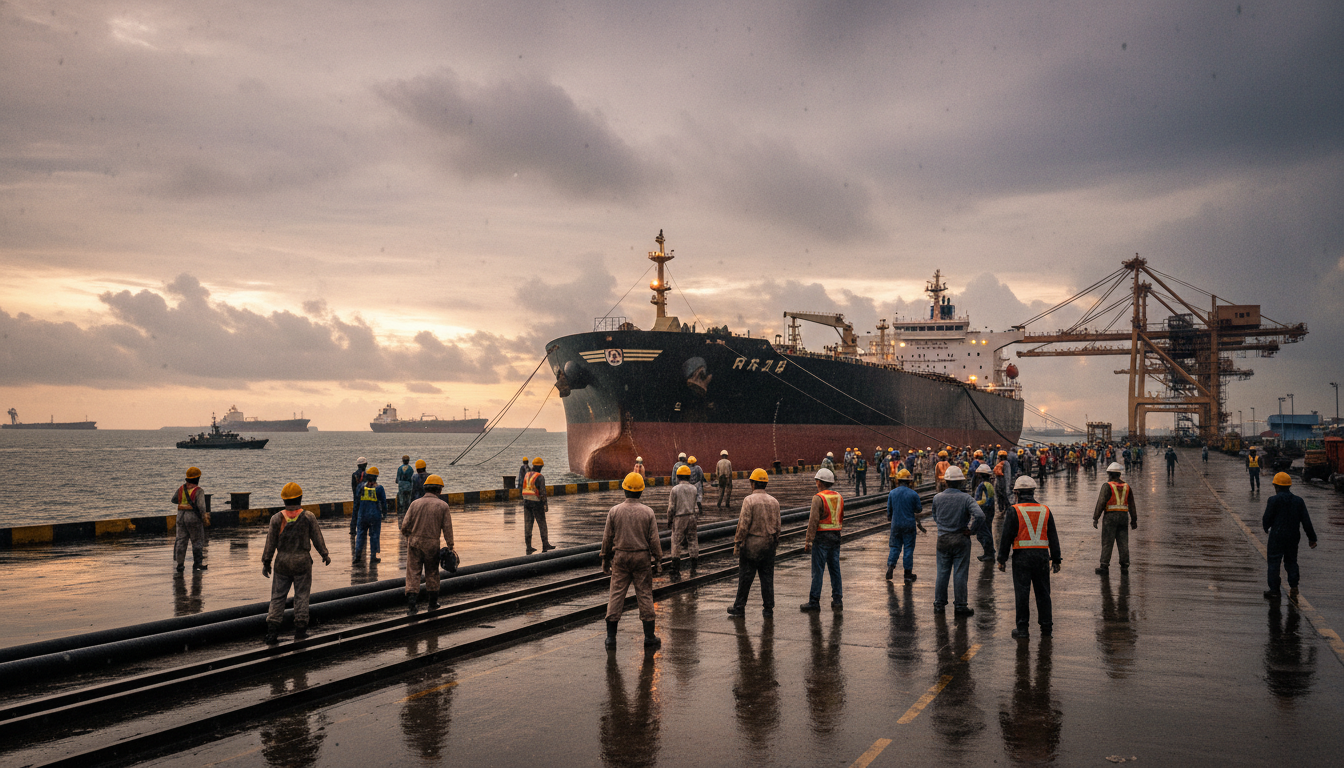
SINGAPORE —Global oil markets appear steady due to increased Middle East exports and G7 interventions, yet ongoing regional security threats underscore unresolved strategic challenges for Asia-Pacific energy importers.
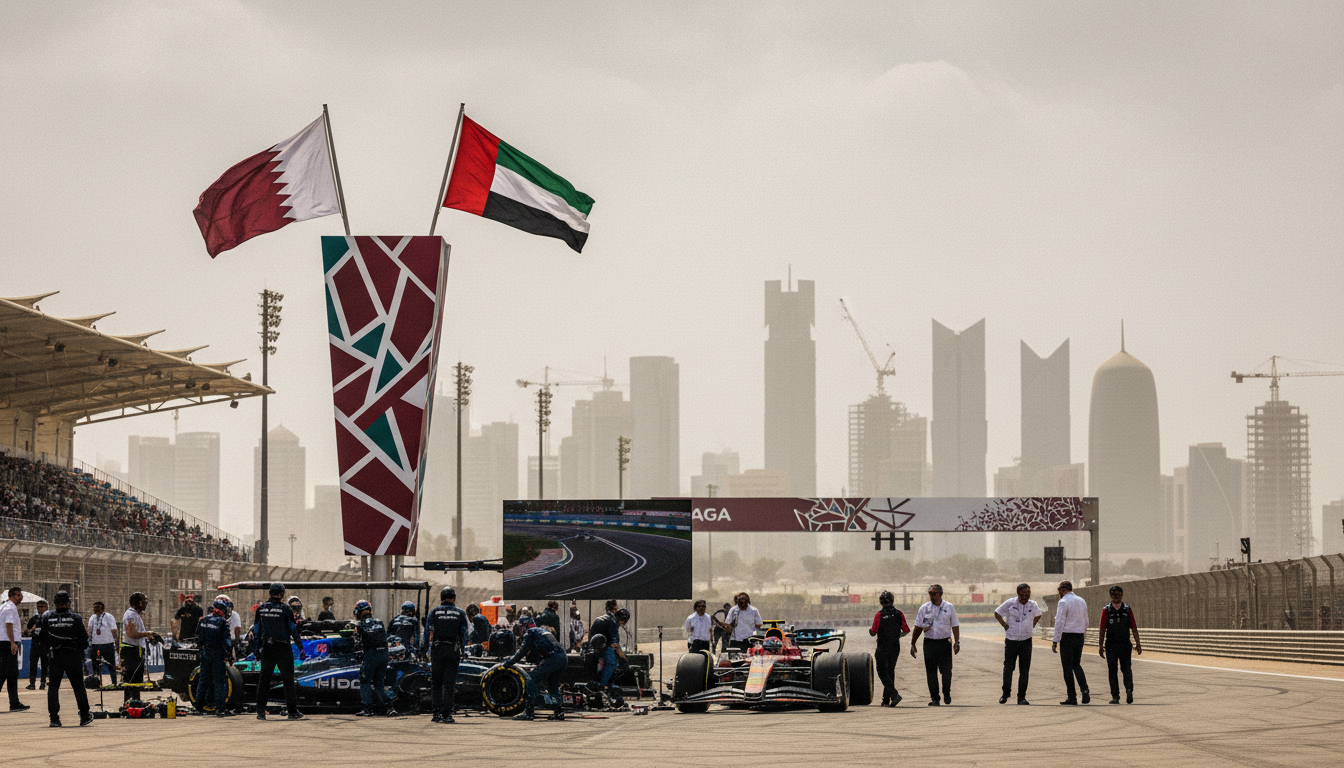
SINGAPORE —The confirmation of Formula One Grands Prix in Qatar and Abu Dhabi despite regional instability highlights a complex interplay between commercial interests, sports diplomacy, and the broader strategic landscape of the Asia-Pacific.

SINGAPORE —India's dual gold medals over Pakistan at the Asian Games underscore a sporting dominance, but the broader geopolitical implications remain constrained by deeper strategic currents.
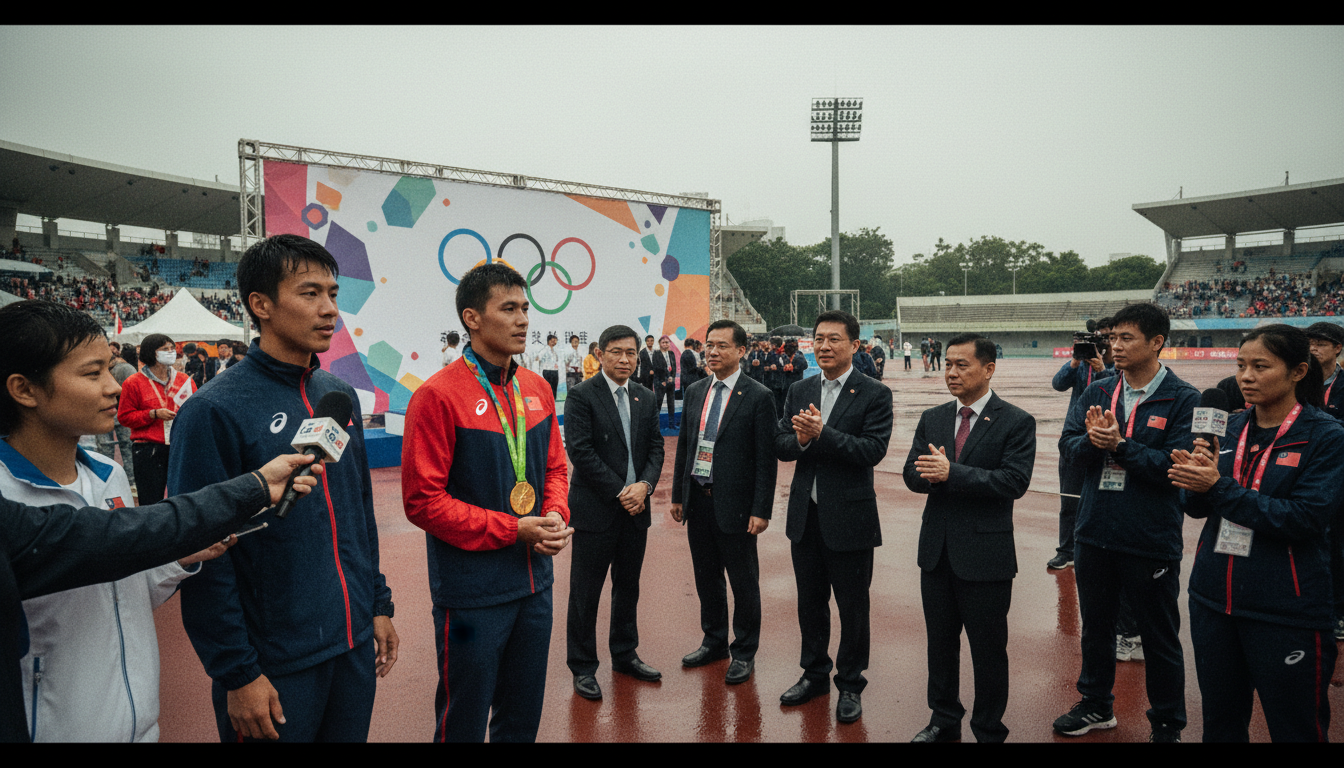
SINGAPORE —Recent medal wins by Taiwanese athletes in regional competitions underscore the persistent political sensitivities inherent in multilateral forums, challenging the notion of apolitical sport.

SINGAPORE —The opening of Taiwan's new Phoenix office, driven by semiconductor supply chain considerations, signifies a deliberate effort to embed Taiwan within critical American industrial sectors, underscoring evolving strategic priorities over conventional diplomatic expansion.
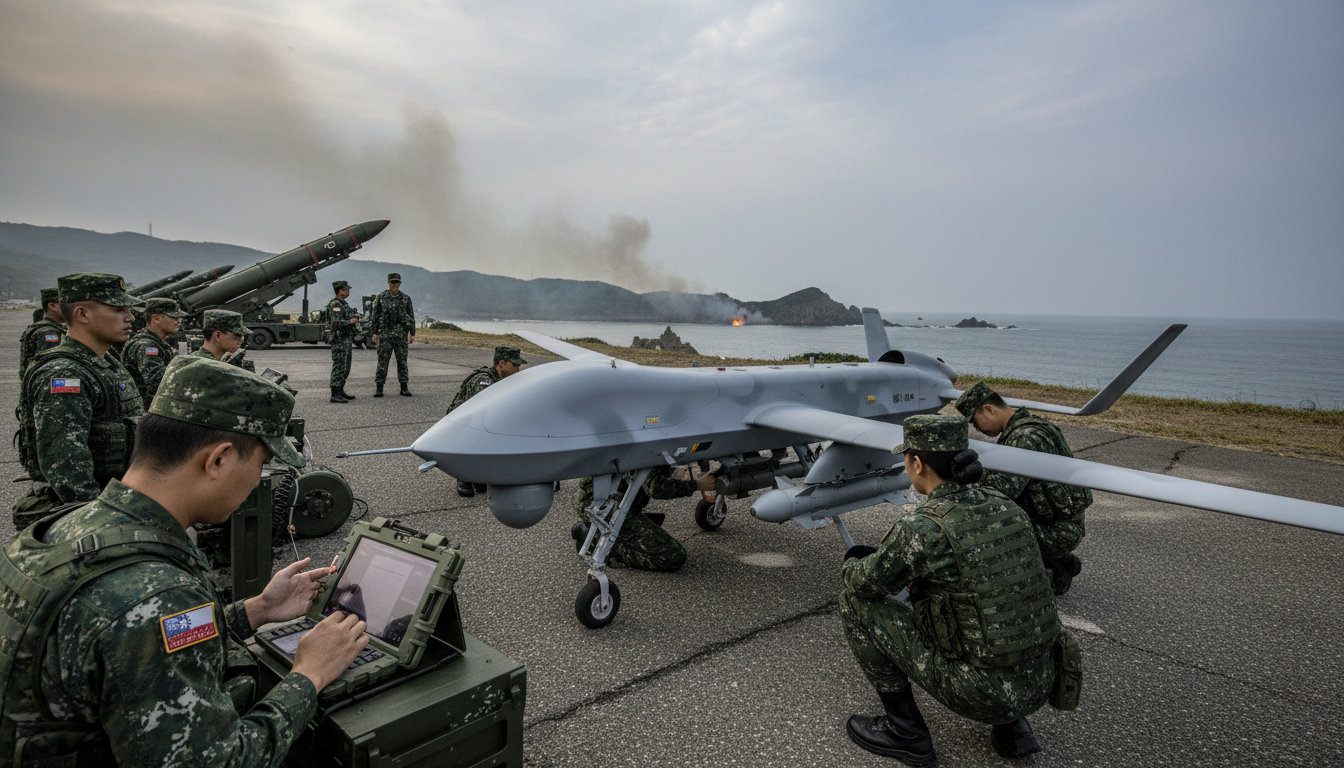
SINGAPORE —The recent joint missile live-fire drills, featuring uncrewed aerial systems, indicate an evolving defense posture with implications for Asia-Pacific stability.
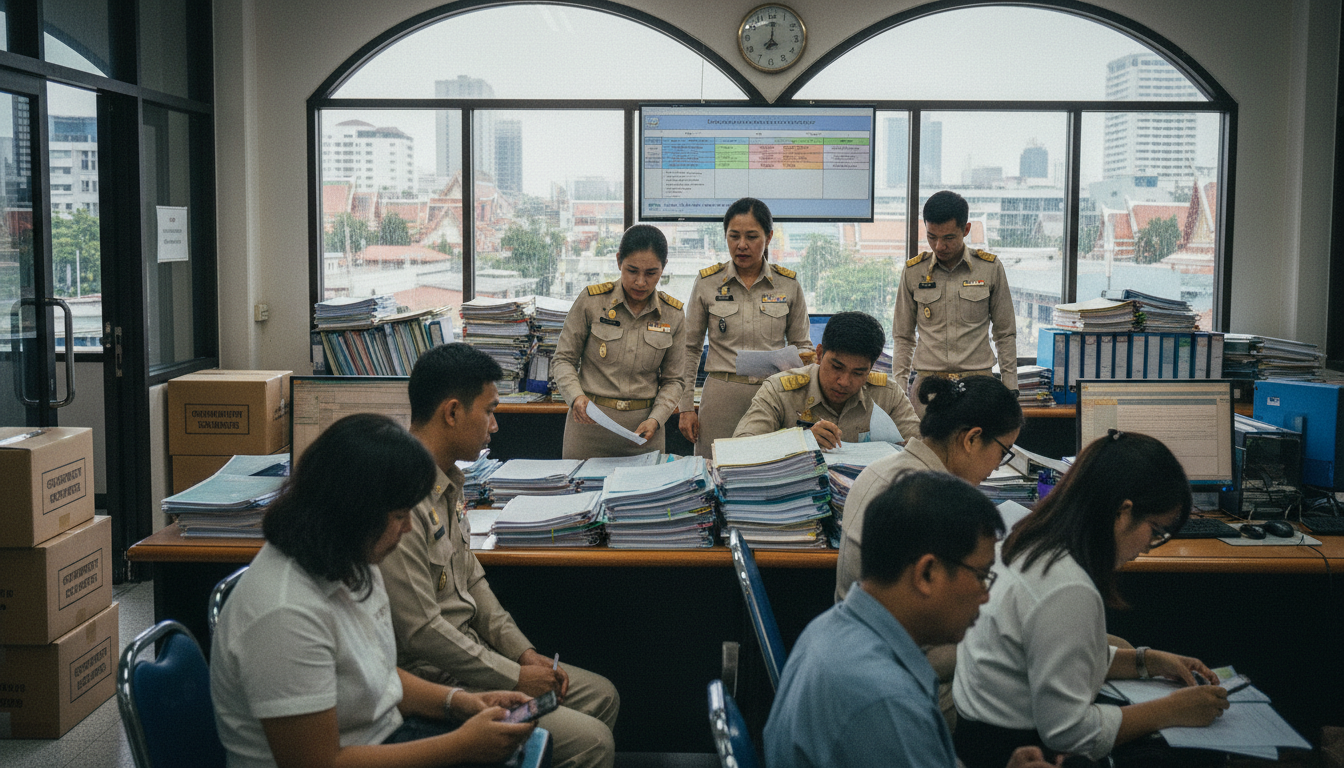
SINGAPORE —The directive to provincial governors regarding foreign nationals reflects evolving internal control mechanisms rather than a simple policy change.
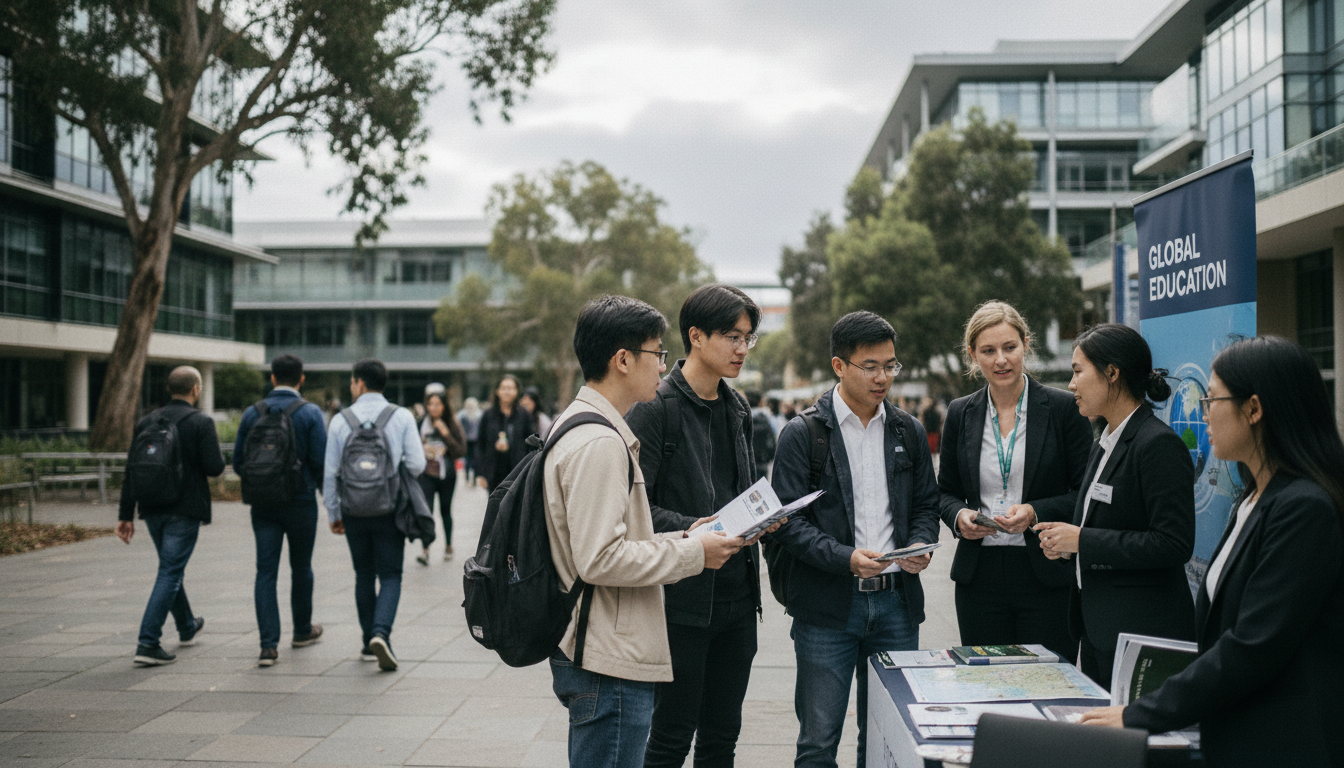
SINGAPORE —The exemption for Vietnamese students from family visa restrictions suggests Canberra prioritizes strategic relationships over uniform immigration control, impacting regional educational flows.

SINGAPORE —The shuttering of CMFR signals a systemic shift, not an isolated event, with regional implications for press freedom.

SINGAPORE —The proposed voting structure for Anthropic co-founders reflects a global trend towards concentrated power in AI, posing implications for how Asia-Pacific nations engage with emerging technological capabilities.
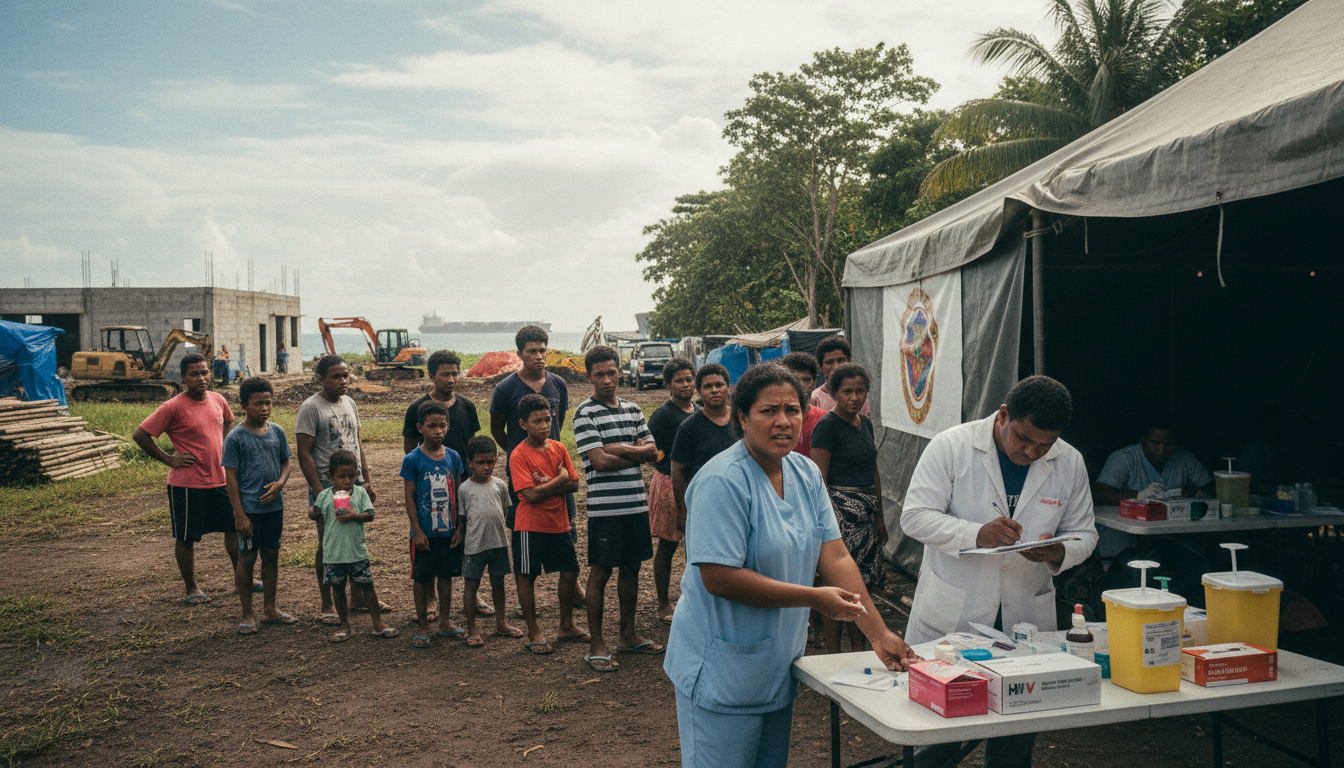
The declaration of a national HIV emergency in Fiji necessitates a re-evaluation of public health capacity and its intersection with economic strategy, particularly as major powers vie for influence in the Pacific.
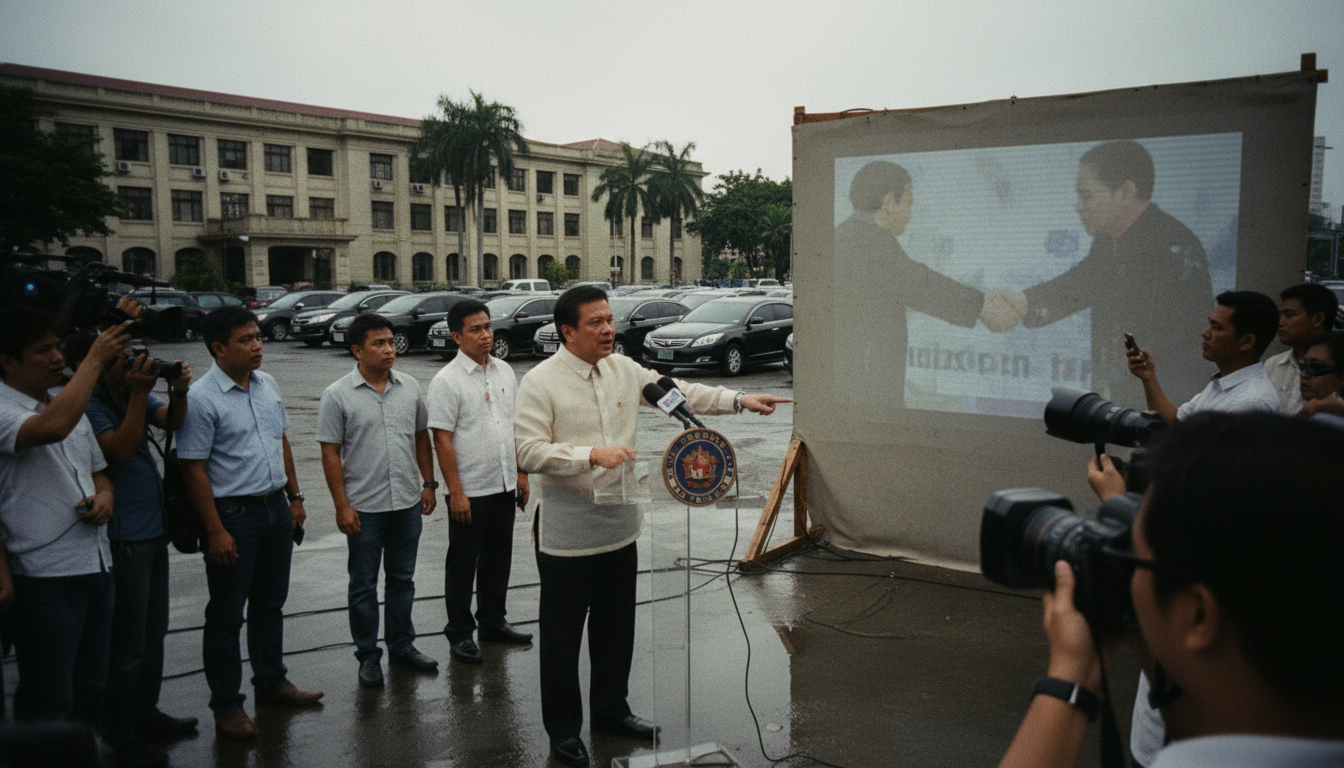
SINGAPORE —An assertion linking a prominent Philippine figure to China emerges amidst intensifying internal political pressures, reflecting how foreign policy affiliations are deployed in domestic power struggles.
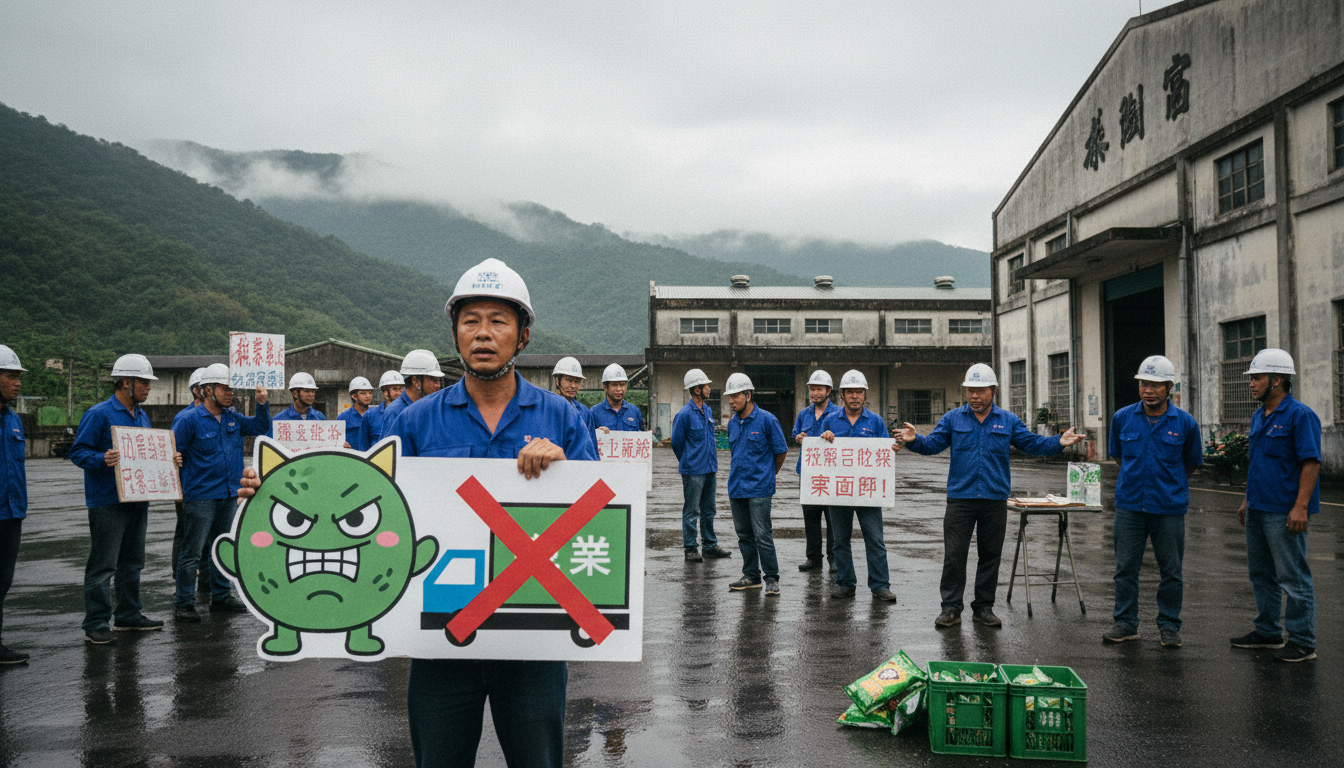
SINGAPORE —The ongoing industrial action at Kuai Kuai over factory relocation underscores a wider tension between economic restructuring and worker protections across Asia-Pacific.
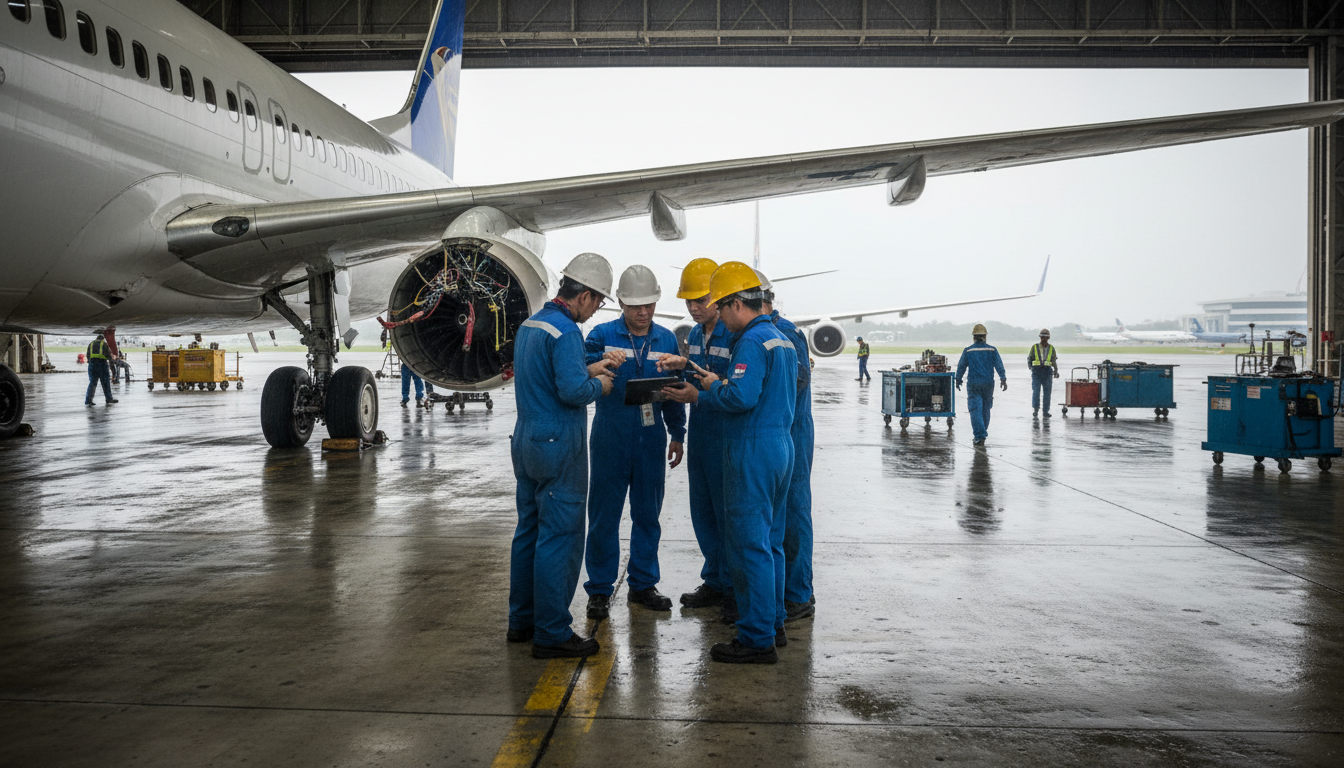
SINGAPORE —The US FAA's determination on a 737 MAX software issue clears a path for a larger version of the aircraft, but the incident underscores persistent regulatory and manufacturing complexities for airlines in Asia-Pacific.
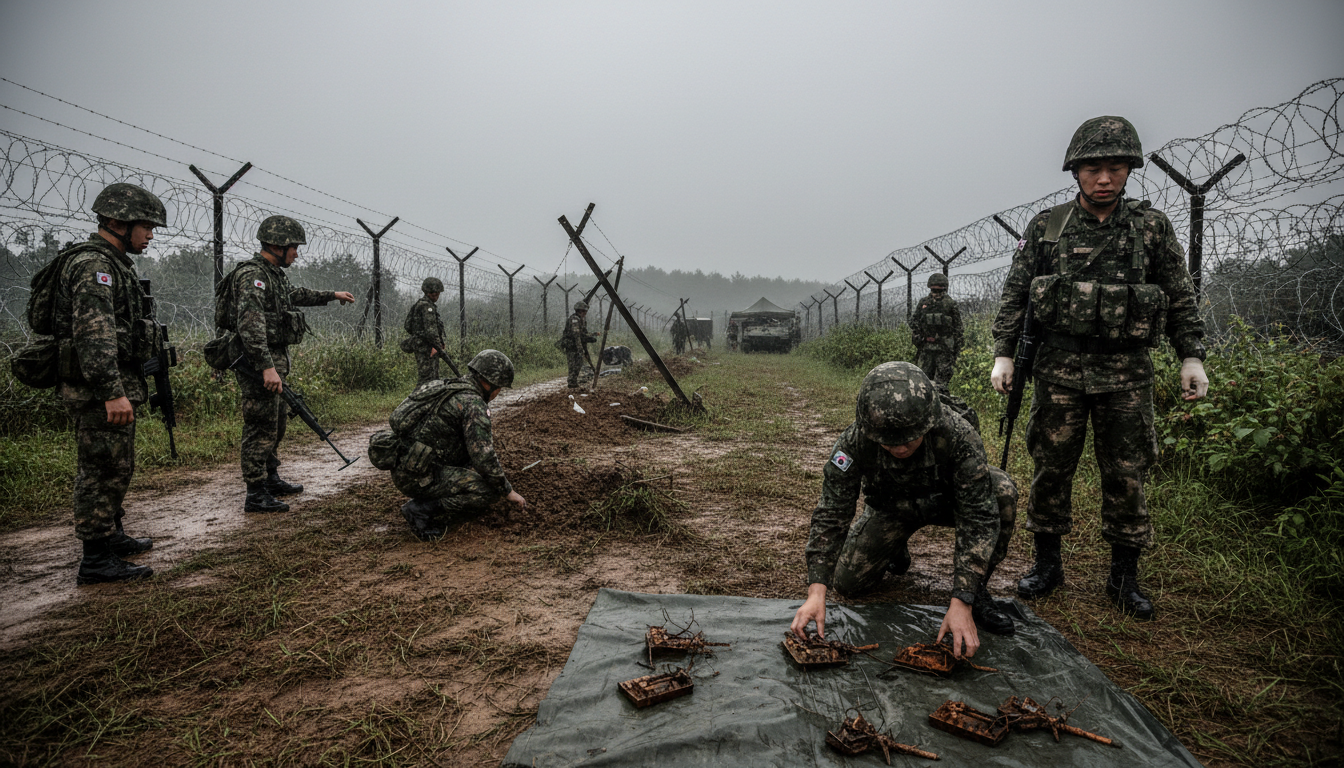
SINGAPORE —A recent event within the buffer zone, attributed to mines, highlights a persistent pattern of tactical provocations, raising questions about the stability of the 1953 armistice regime.

SINGAPORE —The shuttering of Dennis Uy’s Donatela Resort in Bohol, amid wider debt struggles, illustrates the precariousness of business ventures linked closely to political cycles.
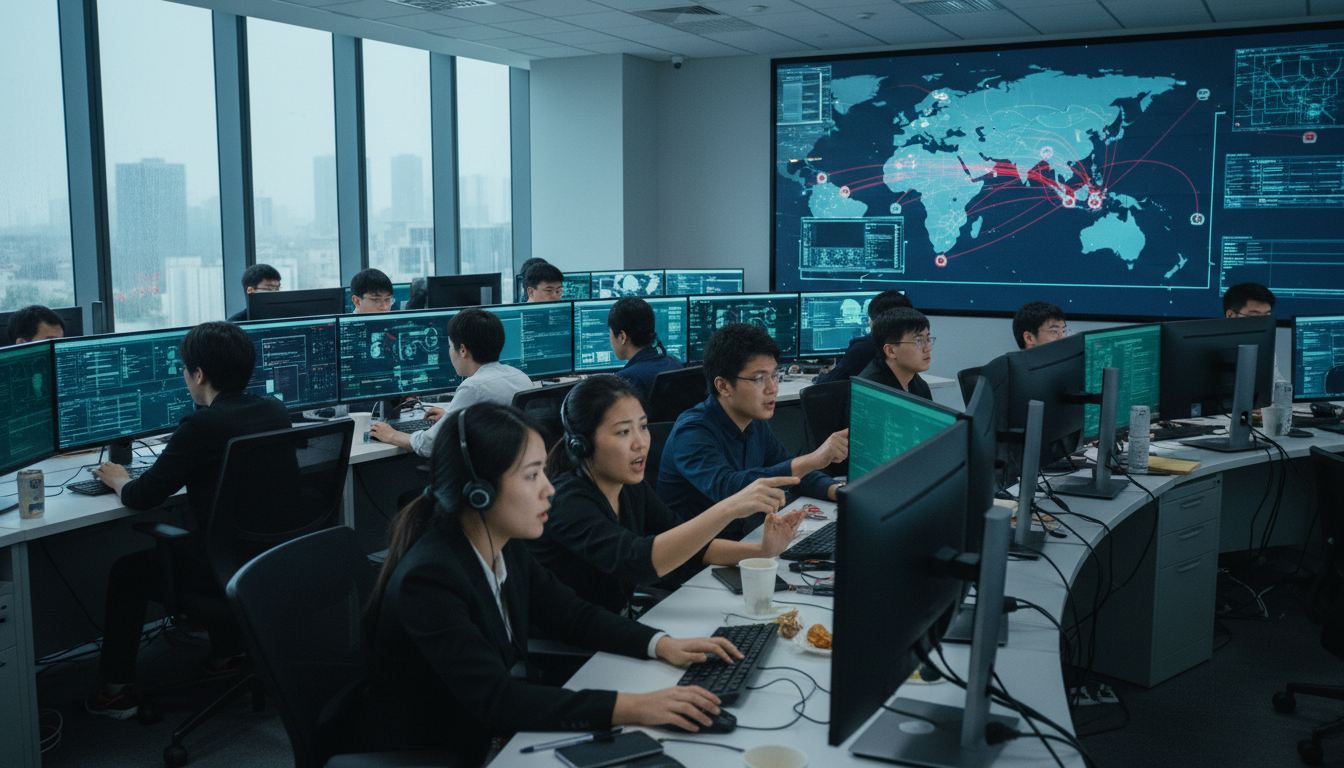
The recent activity of AI agents against government digital infrastructure signals a profound shift in national cyber defense paradigms across the Asia-Pacific.
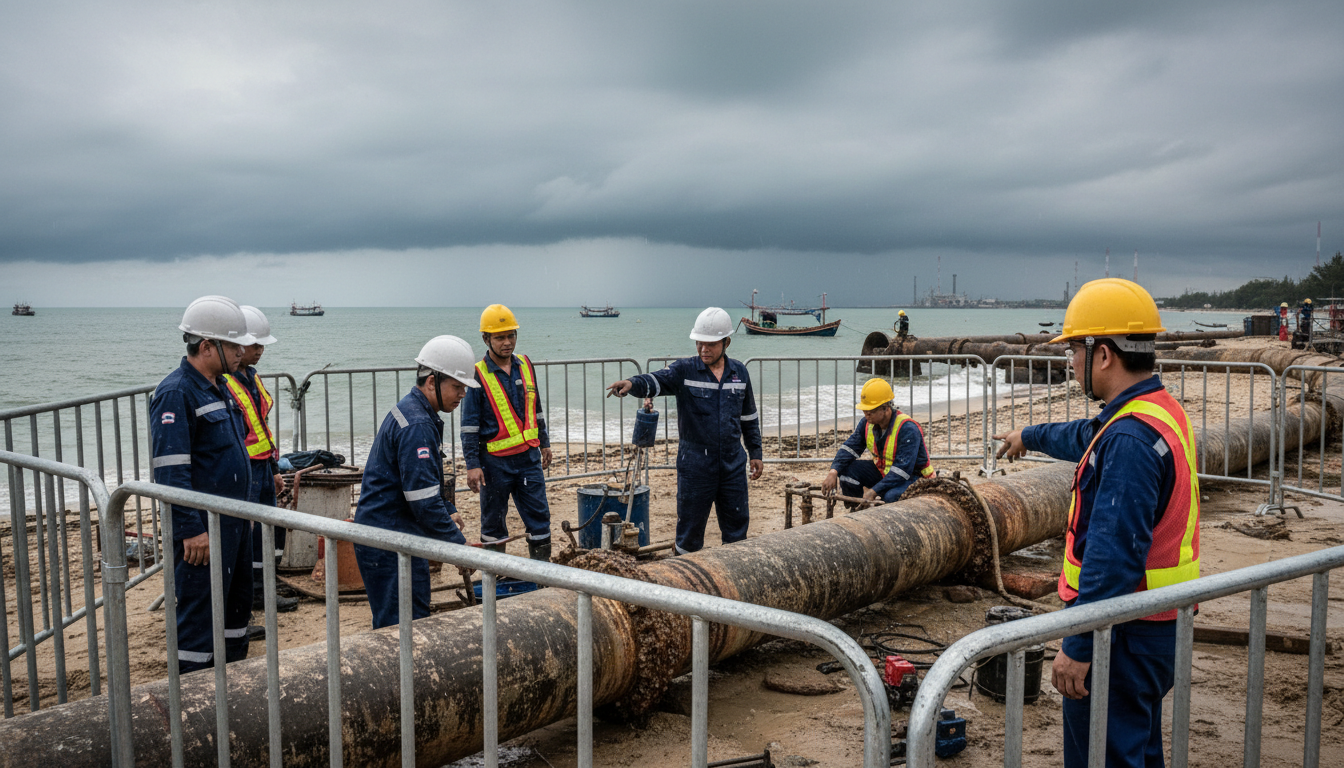
SINGAPORE —A temporary closure of the Songkhla export pipeline, a joint venture between Malaysia's Petronas and Thailand's PTT, underscores how infrastructure integrity concerns compound with geopolitical and operational risks.
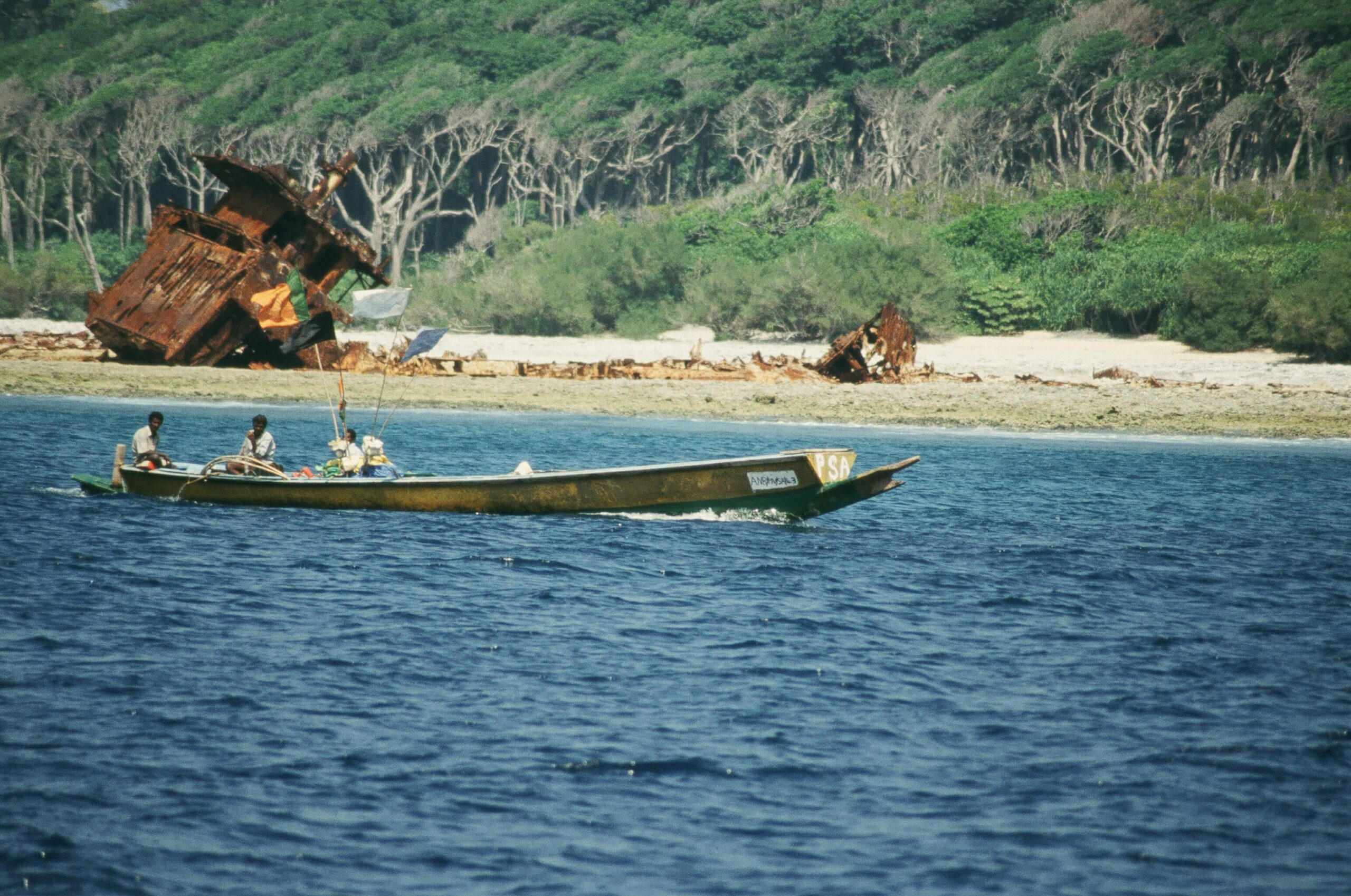
SINGAPORE —Mega-development projects and welfare policies threaten the self-sufficiency of Indigenous tribes, raising questions about regional strategic priorities and the efficacy of external intervention.

SINGAPORE —The alleged co-pilot assault on a flydubai flight, followed by a US presidential threat against Iran, introduces new variables into an already complex geopolitical landscape, with potential ramifications for Asia-Pacific air travel and regional stability.
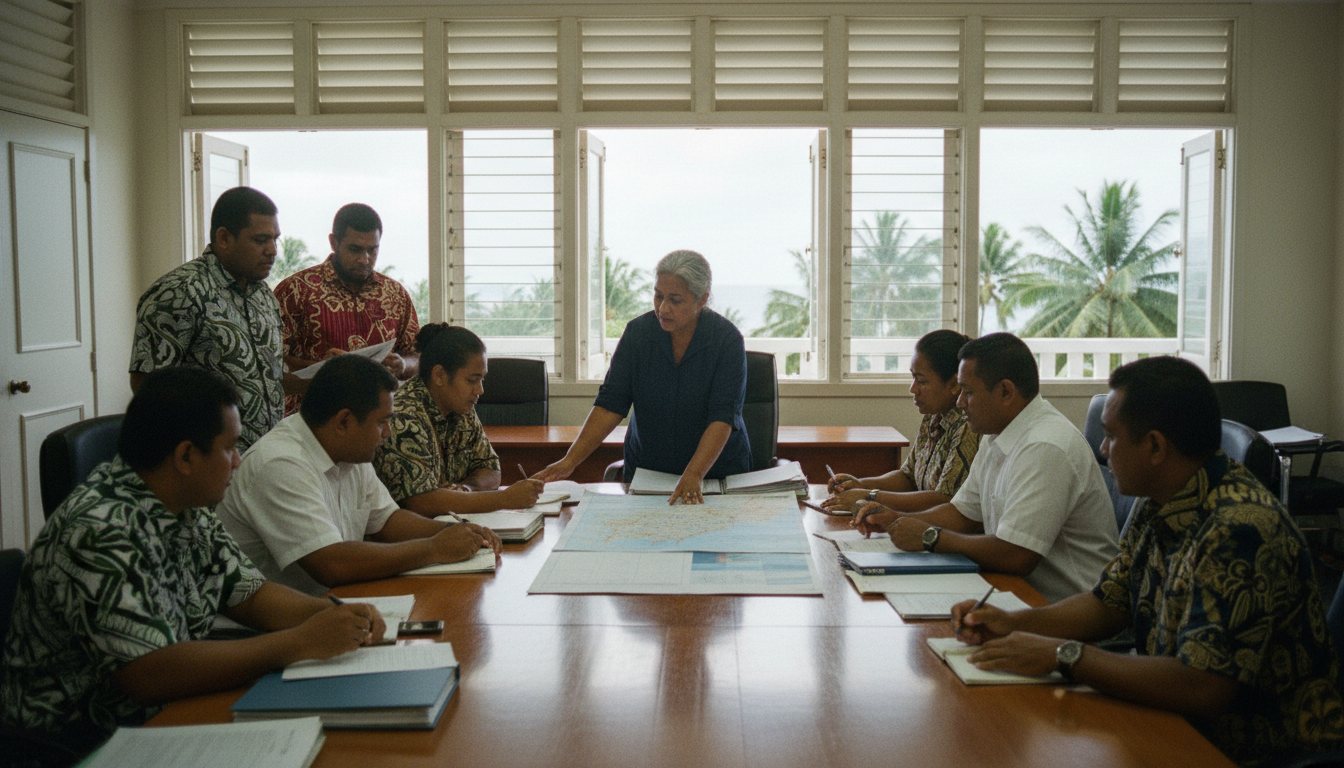
The Constitution Review Commission's recommendations suggest a significant reorientation of Fiji's internal political architecture, with regional implications.
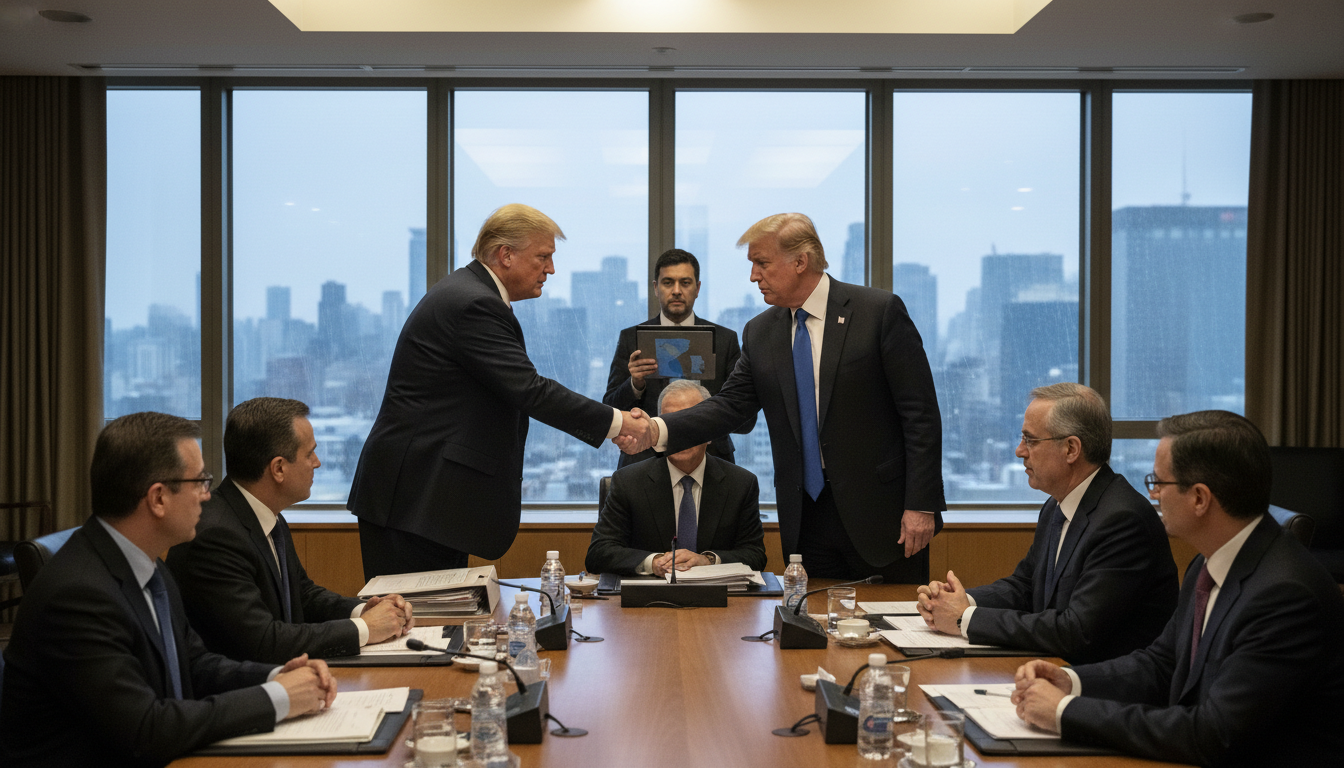
SINGAPORE —The first encounter between Presidents Trump and Pezeshkian since 'Operation Epic Fury' suggests a change in immediate posture, but core regional capabilities remain unaltered.
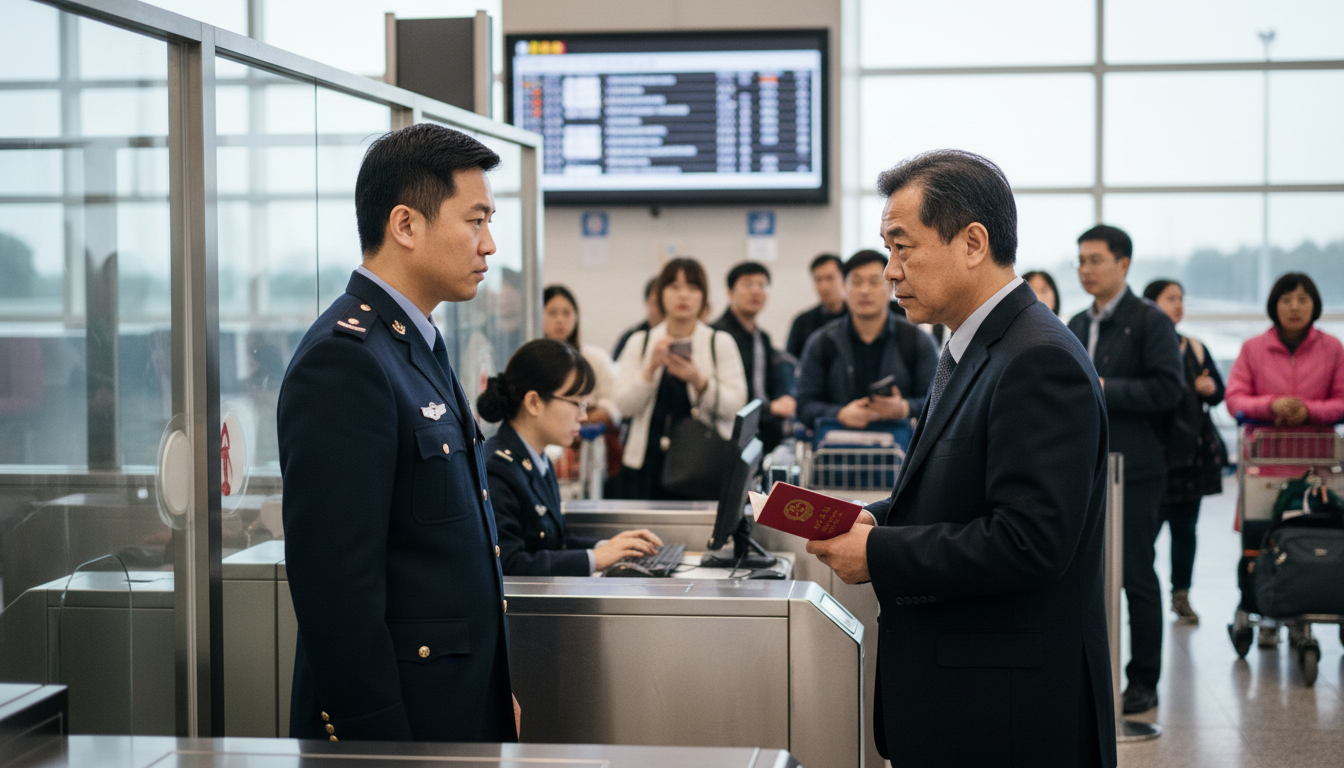
SINGAPORE —Taiwan's denial of entry to a Chinese official signifies an evolving capacity for sovereign control over movement, a trend evident across the Asia-Pacific.
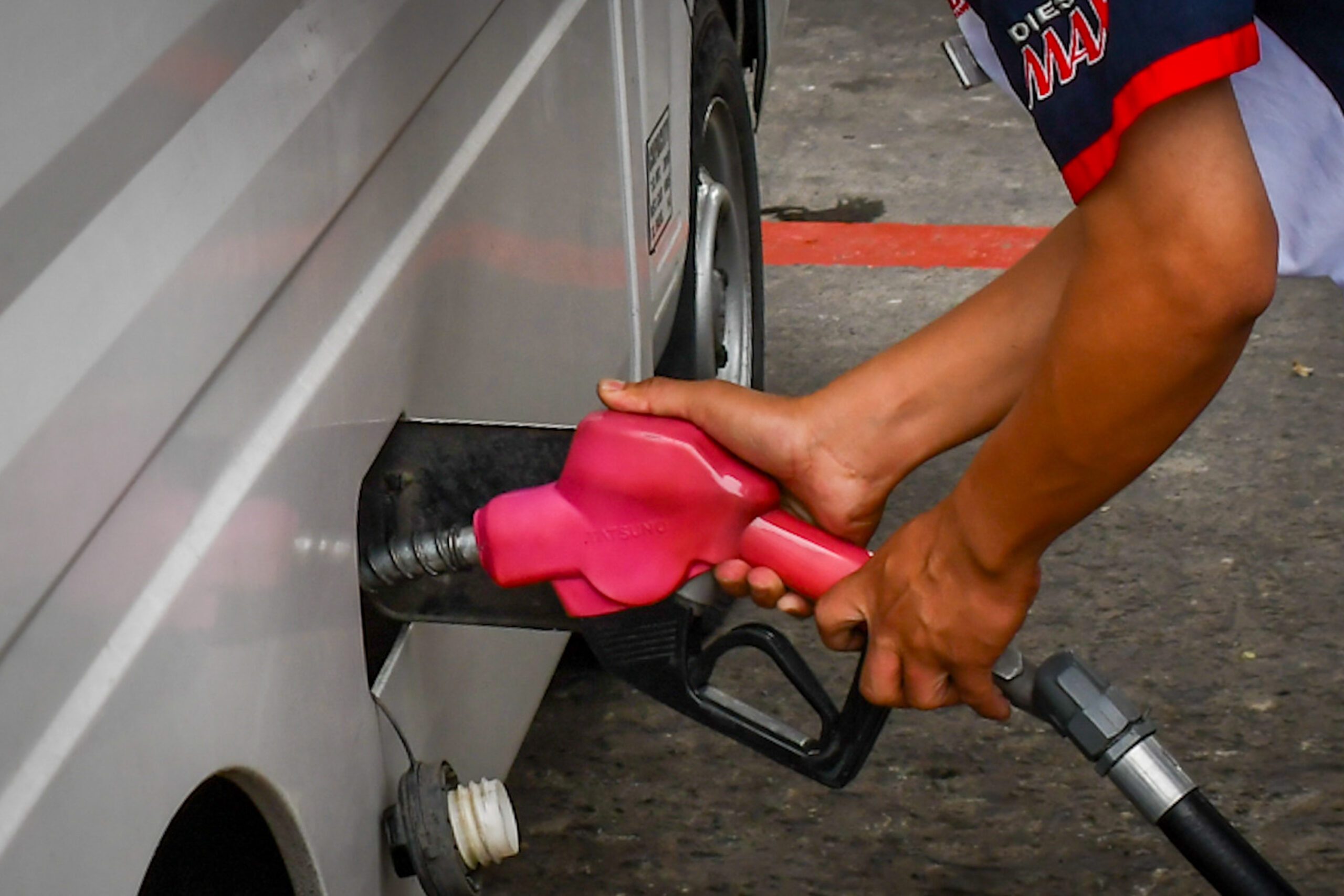
SINGAPORE —Record global diesel prices and dwindling reserves signal a structural shift with specific consequences for Southeast Asian economies, particularly Thailand.

SINGAPORE —The ruling prompts a re-evaluation of institutional checks and balances, and the enduring prevalence of political families.

SINGAPORE —The expansion of community storytelling initiatives in the Philippines demonstrates a strategic pivot towards local empowerment amidst regional information shifts.
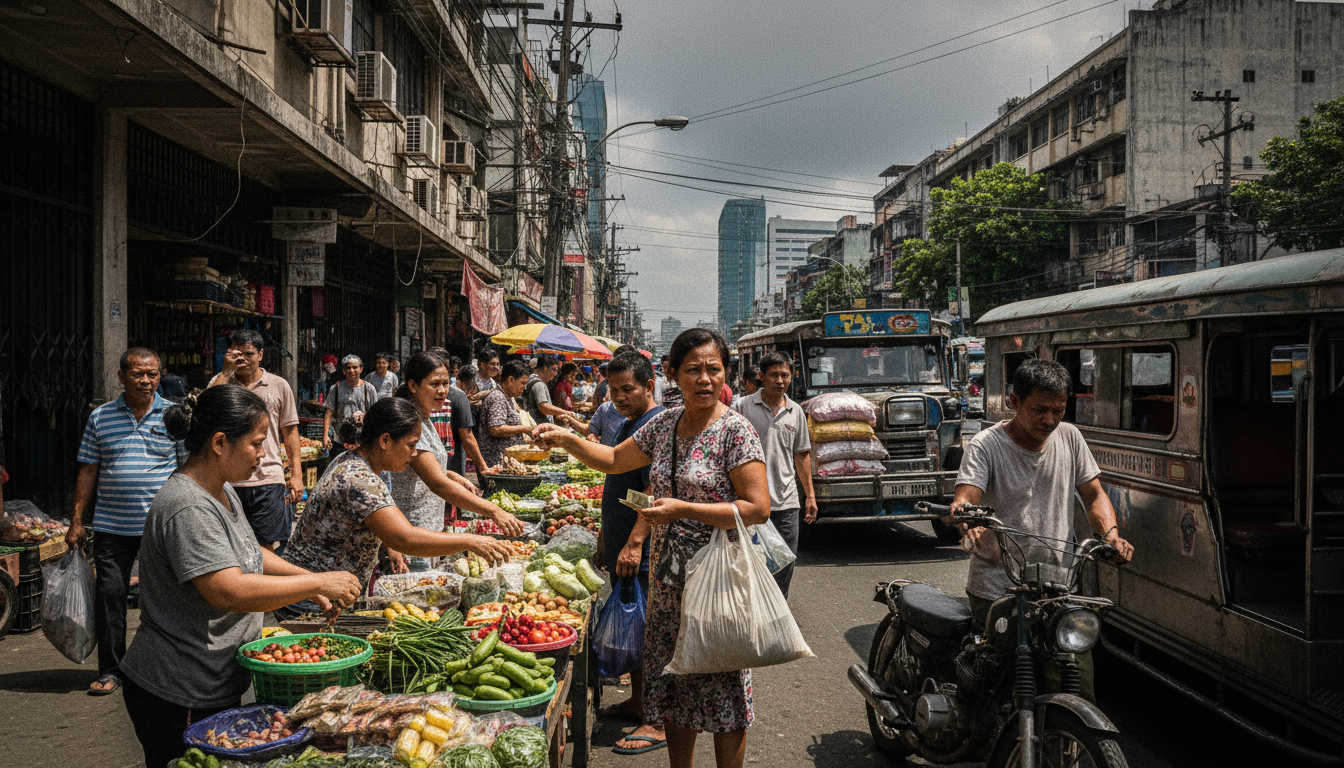
SINGAPORE —The Bangko Sentral ng Pilipinas' latest monetary action reflects enduring external and domestic economic challenges across Southeast Asia.
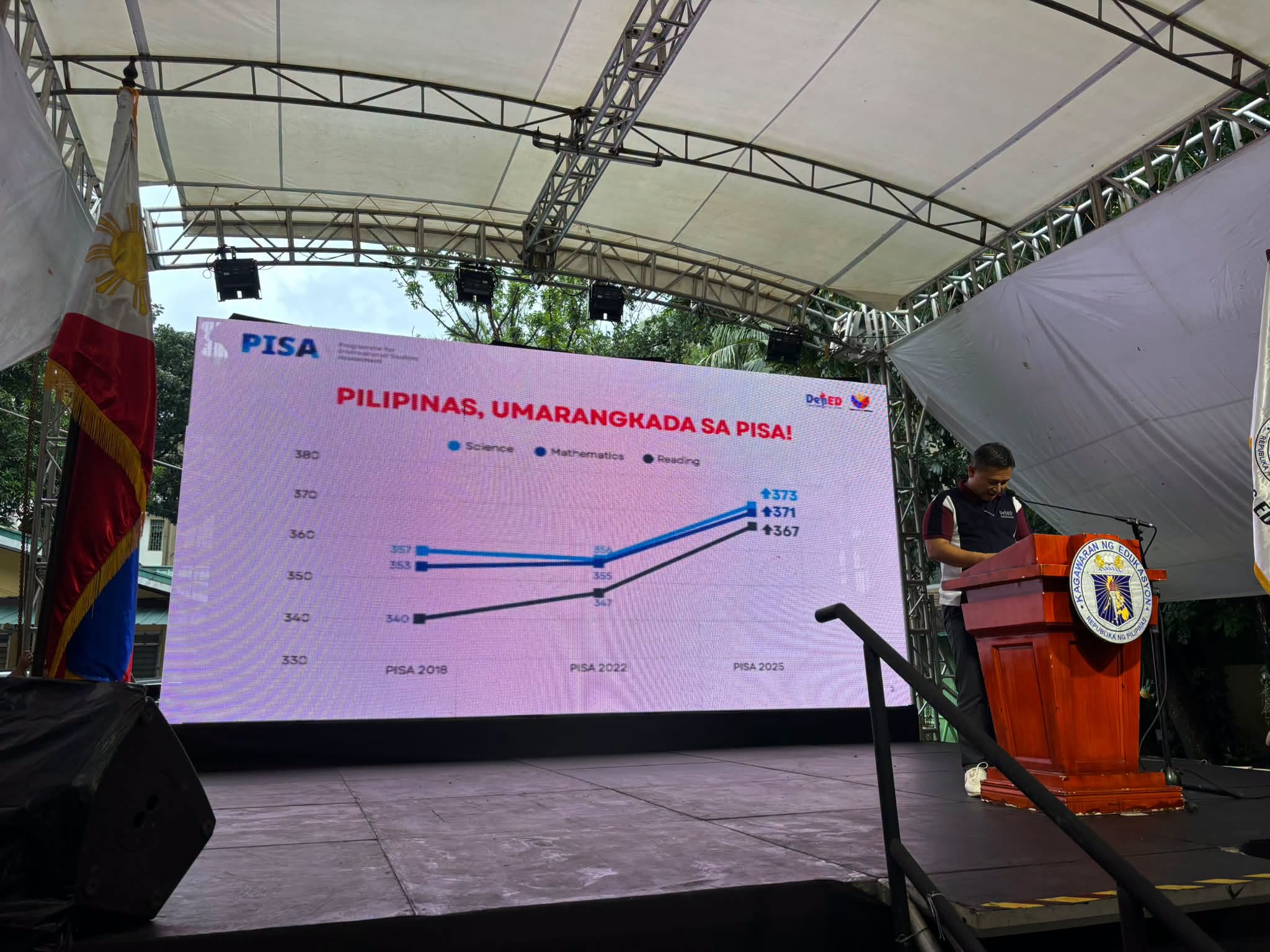
SINGAPORE —Persistent low performance among Filipino students signals an impediment to regional human capital development, with implications for nations like Thailand.

Honolulu's proposal to establish a permanent Office of Innovation and Technology signals an evolving approach across the Pacific to integrate data into policy structures.