Regional Education Disparity: Philippines' PISA 2025 Reflects Broader Capacity Constraints
Persistent low performance among Filipino students signals an impediment to regional human capital development, with implications for nations like Thailand.
SINGAPORE
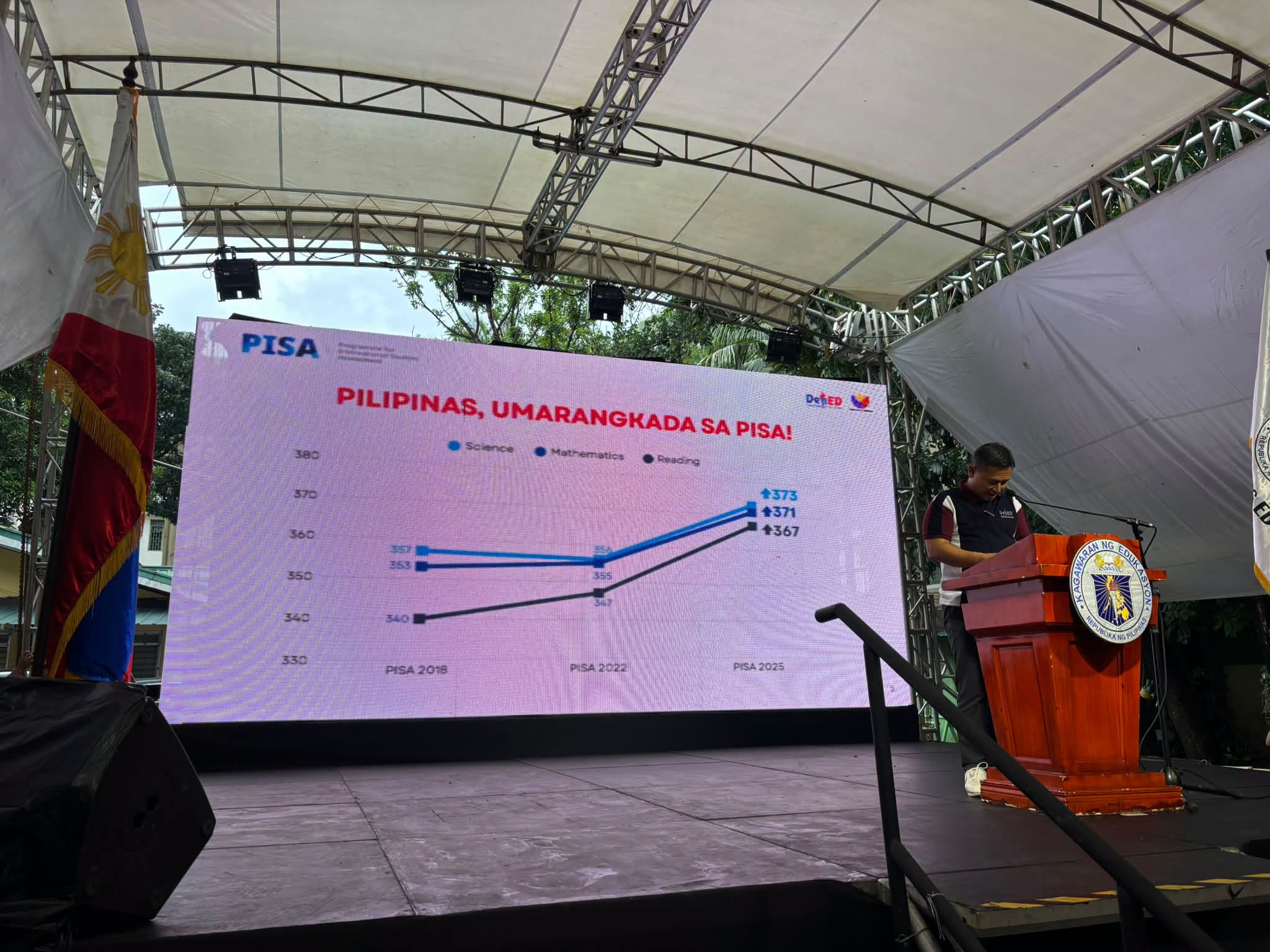
The reported 2025 Programme for International Student Assessment (PISA) results for the Philippines indicate a persistent challenge: nearly two in three Filipino students, aged 15, are considered low-performing in science, mathematics, and reading. This classification denotes a failure to reach the minimum proficiency level defined by the assessment. While the Philippines registered improved scores in 2025 compared to previous assessments, this improvement does not alter the fundamental reality of widespread underperformance.
This outcome interrupts a narrative of consistent human capital advancement across parts of Southeast Asia. The core capability, or lack thereof, revealed by PISA is foundational literacy and numeracy for a significant portion of a nation’s youth cohort. For the Philippines, this represents a constraint on future economic and societal development, limiting the pool of skilled labor and hindering national competitiveness in sectors requiring complex problem-solving and critical thinking. The report, originating from Rappler on September 21, 2026, details a structural issue rather than a transient blip.
The implications extend beyond the Philippines' borders. Nations within the Asia-Pacific, including Thailand, often compete for foreign direct investment and participate in integrated supply chains that increasingly demand a regionally competent workforce. A significant regional economy housing a large segment of its future workforce below minimum proficiency levels introduces a drag on the collective human capital potential of the region. While some might argue that these are specific to the Philippines’ educational system and do not directly translate to other national contexts, the PISA framework is designed to provide comparable international benchmarks. The structural nature of this deficit — impacting core competencies across multiple subjects for a large demographic — suggests that similar underlying issues, such as curriculum design, teacher training, or resource allocation, might be present, albeit to varying degrees, in other developing economies of the region.
The continued presence of such a large proportion of low-performing students, even with score improvements, raises questions about the efficacy of education reforms and investment in the Philippines. For Thailand, whose own educational system faces scrutiny, the Philippine PISA results serve as a reminder of the long-term, systemic nature of educational challenges. The central tension remains: how to foster an educational environment that consistently elevates foundational competencies across a broad student base, given the demonstrable difficulty in achieving such an outcome even with sustained effort.
Sources
Newsletter
Pacific Daily
A curated briefing from Thailand, Asia-Pacific and the world.