Weather Patterns Disrupt Southeast Asian Supply Chain Dynamics
Persistent storm activity in Vietnam creates regional economic ripple effects, reshaping investment incentives beyond traditional manufacturing hubs.
SINGAPORE
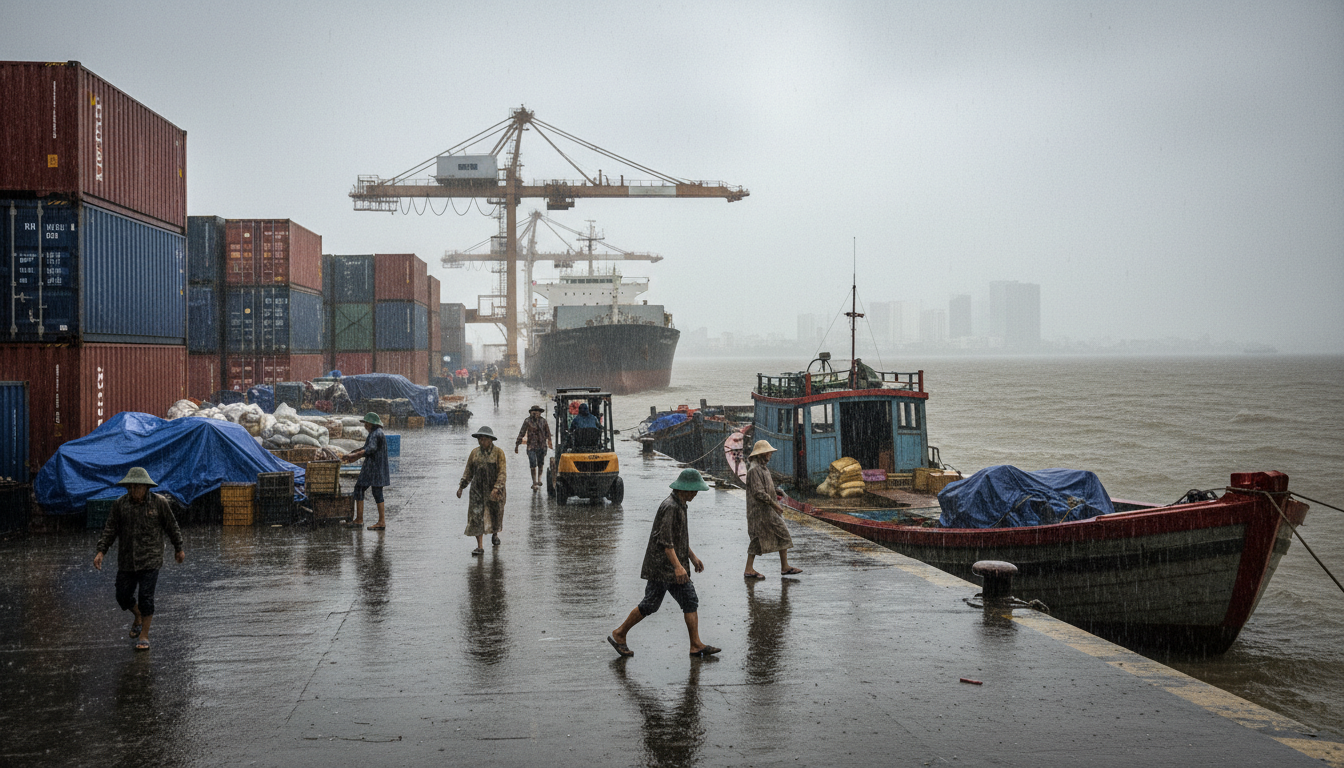
A tropical depression making landfall in central Vietnam, forecast to bring extensive flooding and landslides through September 16, marks the latest in a series of severe weather events impacting the nation. This follows Storm Narra in August 2026, which resulted in one fatality and widespread disruption across northern Vietnam. In October 2025, Storm Fengshen threatened Da Nang and Hue with up to 800 mm of rainfall over three days, posing significant flood and landslide risks. Before that, Super Typhoon Ragasa, after affecting China and Hong Kong, reached Vietnam in September 2025. These events are not isolated; a year earlier, Typhoon Kalmaegi hit the Philippines, causing fatalities and military helicopter losses. The cumulative effect of these recurring weather phenomena reshapes the regional calculus for manufacturing and logistics.
Vietnam has positioned itself as a key alternative manufacturing destination, attracting significant foreign direct investment. However, the increasing frequency and intensity of storms introduce an elevated and quantifiable risk to supply chain stability. For companies considering or having already committed to establishing production facilities in central Vietnam, the potential for operational interruptions due to flooding, infrastructure damage, and workforce displacement becomes a primary concern. The economic incentive of diversified production hubs is now directly challenged by environmental volatility.
This trend, observed over the past two years, suggests a shifting pattern of incentives. As Vietnam faces persistent environmental challenges, the comparative advantage of other Southeast Asian nations, including Thailand, may become more pronounced. Thailand, while not immune to weather-related disruptions, has historically been perceived as less susceptible to the direct impact of certain Pacific storm tracks compared to coastal Vietnam or the Philippines. Consequently, investments seeking supply chain resilience may begin to evaluate locations that offer a lower aggregate risk profile from extreme weather.
Manufacturers and logistics providers will increasingly integrate these climate risks into their site selection and operational planning. The question is not simply the occurrence of a single storm, but the sustained pattern of disruption. While Vietnam retains its fundamental advantages in labor and market access, the escalating costs associated with business interruption, infrastructure repair, and potentially higher insurance premiums could temper the velocity of new investment. The outlook for supply chain diversification across Southeast Asia is thus increasingly bifurcated: nations with lower climate exposure may see increased capital inflows, while those frequently impacted face a more complex challenge in maintaining their competitive edge. The ultimate distribution of investment will depend on how effectively each nation can mitigate and adapt to these evolving environmental pressures.
Sources
Newsletter
Pacific Daily
A curated briefing from Thailand, Asia-Pacific and the world.