Rappler's 'Movers Program' Signals Persistent Civic Infrastructure
The expansion of community storytelling initiatives in the Philippines demonstrates a strategic pivot towards local empowerment amidst regional information shifts.
SINGAPORE
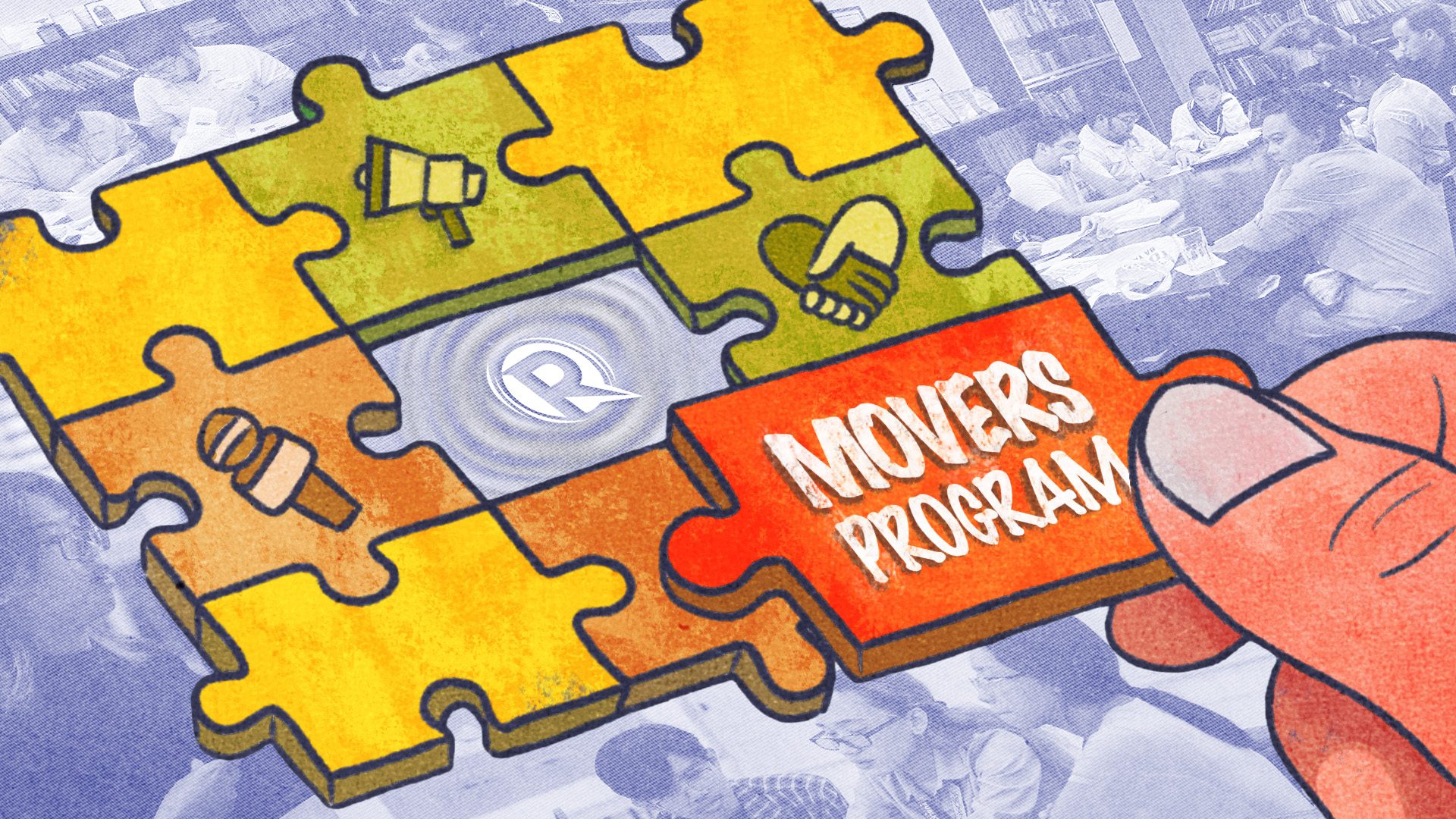
The reported strengthening of Rappler’s ‘Movers Program’ on August 27, 2026, represents a continuation of a specific operational approach that has been observable in the Philippines for over a decade. Since 2012, Rappler has cultivated a network of volunteers, termed ‘Movers,’ who have engaged in civic action and amplified local narratives across various provinces and regions of the Philippines through MovePH, Rappler's civic engagement arm. This framework is not merely a reporting enhancement; it constitutes a deliberate investment in decentralized information dissemination and community-level advocacy.
The stated objective of the Movers Program, to hone leadership skills and contribute to initiatives, suggests a focus on capability building at the sub-national level. This approach contrasts with traditional media models that often centralize editorial control. The program’s history includes facilitating engagement during national events, such as the 2022 polls, where Movers engaged in what Rappler described as a ‘battle for truth.’ Such activities extend beyond mere content generation, indicating an intent to shape local discourse and potentially influence civic participation.
The long-term nature of this program, active since 2012, suggests a sustained commitment to cultivating a particular type of local media infrastructure. The observation of transitions from volunteer roles to employee positions within Rappler further indicates a professionalization pathway for those involved in these community-based operations. This sustained engagement creates a durable network capable of both gathering and disseminating information, potentially influencing public opinion and civic action.
For the Asia-Pacific, such sustained efforts by a media organization in one nation bear scrutiny. While the program is situated in the Philippines, the regional context of evolving information environments and the increasing salience of local narratives suggest potential parallels. For Thailand, where shifts in public discourse and civic engagement are also ongoing, the Rappler model offers a case study in how non-traditional media organizations attempt to build influence outside of capital cities. The question is not whether this model will be directly replicated, but what capabilities it fosters and how those capabilities might apply within other national contexts in the region.
One might argue that these initiatives are simply a natural evolution of journalistic outreach, a means for a news organization to broaden its coverage. However, the consistent emphasis on 'civic leaders' and 'communities of action,' combined with the program's longevity, suggests an intent beyond conventional reporting. This involves active cultivation of local agency, rather than just passive observation. The program’s stated aims, including fostering leadership and contributing to ‘meaningful initiatives,’ align more closely with community organizing than with traditional news gathering, marking a nuanced but significant operational shift in media engagement within the region.
Sources
Newsletter
Pacific Daily
A curated briefing from Thailand, Asia-Pacific and the world.