Regional Imperative: Reforming Corruption's Reach in the Philippines
Accountability for flood-control controversies may shape future development across Asia-Pacific.
SINGAPORE
The Philippines, a nation defined by its archipelagic geography, frequently confronts the direct costs of environmental policy and resource allocation. A series of articles from Rappler in September 2026 indicates a critical juncture for the country, particularly regarding governmental integrity and its impact on the wider region. While attention often focuses on the direct economic implications of corruption, the strategic regional consequences of systemic issues bear closer examination.
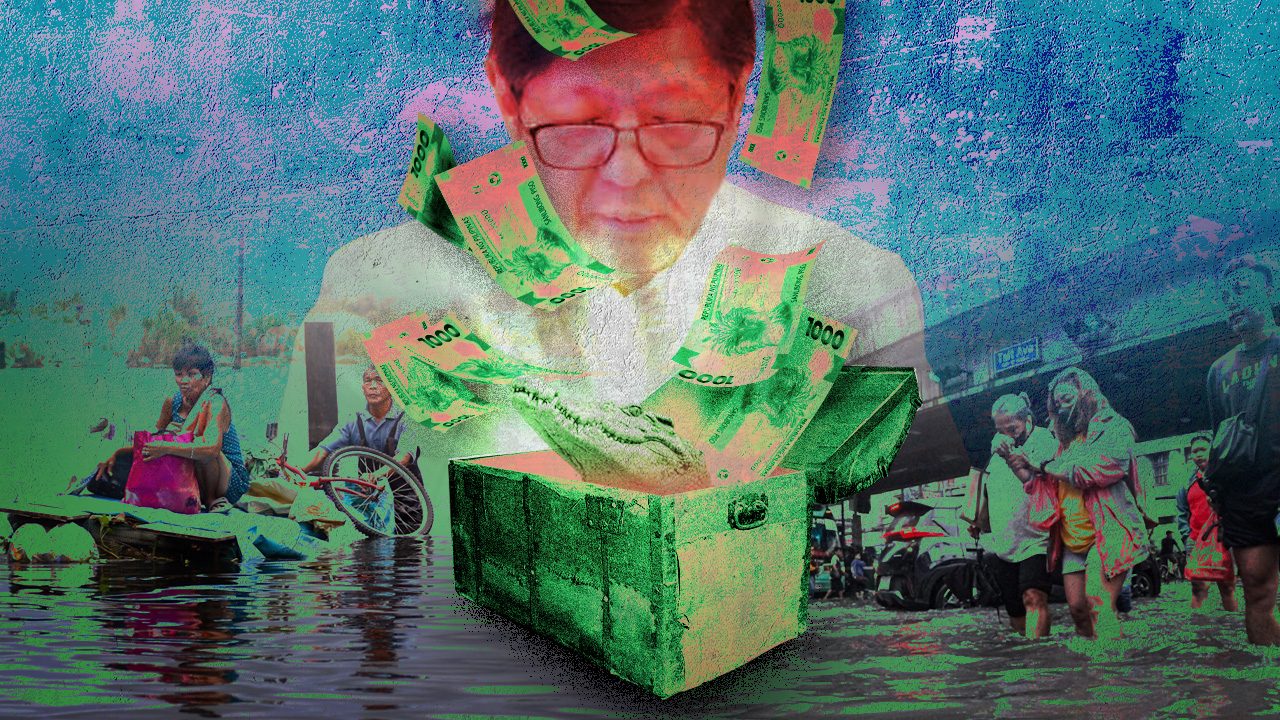
President Marcos Jr. faces scrutiny over controversies, specifically relating to flood-control. This scrutiny places the credibility of the government in question, as reported by Rappler on September 21, 2026. The same report frames the president's actions as having 'opened Pandora’s box,' suggesting an irreversible exposure of underlying issues. This situation highlights a tension: the immediate political narrative within the Philippines versus the long-term regional stability and economic development it underpins. The call for a 'democratic reset,' as noted by Rappler, includes specific mechanisms such as anti-dynasty laws and the modernization of tax and audit systems. These are not merely internal governance improvements; they are foundational to how the Philippines positions itself economically and politically within Asia-Pacific.
The challenge for the Philippines is to transform 'public outrage' into 'effective reforms that ensure accountability, transparency, and equitable distribution of resources.' This is a complex undertaking, particularly when juxtaposed with the 'economic challenges faced by families and businesses,' as Rappler reported. The suggestion to 'follow the money in corruption cases,' drawing a parallel to the 'Al Capone strategy' on September 19, 2026, implies a need for rigorous financial enforcement. The scale of financial flows that can be diverted or mismanaged, as suggested by Rappler's reporting, represents capital that could be invested in infrastructure resilience, public services, or climate adaptation, areas vital for a nation exposed to coastal and climate-related risks.
The broader regional implication is this: When a significant regional player like the Philippines struggles with internal governance and resource allocation, it creates ripples. Investment confidence can waver, regional partnerships might be recalibrated, and the overall stability of supply chains or collaborative initiatives could be affected. Conversely, successful reform efforts in Manila could set a precedent for transparency and accountability, offering a model for other developing economies grappling with similar challenges. The question then becomes whether the Philippine government can enact the systemic changes necessary to convert this internal crisis into a demonstrable commitment to good governance. Without such a shift, the economic and social costs are not borne solely by those inland, but by every coastline reliant on the region's collective prosperity.
Sources
Newsletter
Pacific Daily
A curated briefing from Thailand, Asia-Pacific and the world.