Deep-sea plastic discovery challenges regional waste strategies
The presence of human-made debris in remote oceanic environments indicates a systemic failure that Asia-Pacific nations, including Thailand, must address beyond localized clean-up efforts.
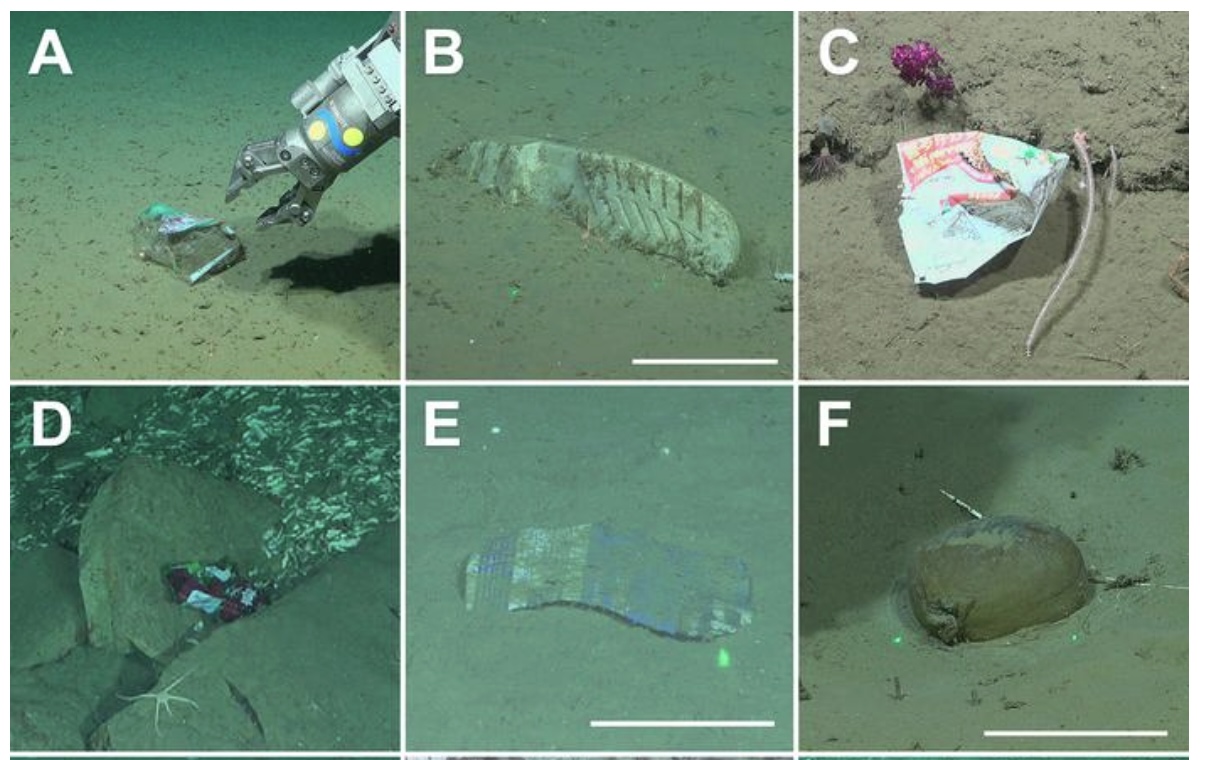
The discovery of plastic litter in the Mar Del Plata Submarine Canyon, more than 1,000 meters deep off Argentina's coast, points to a scale of environmental contamination that defies geographical boundaries. A study, reported by Mongabay Asia on September 25, 2026, documented a plastic bag entangled on the seafloor. Diego Urteaga, a marine biologist and study co-author from Argentina’s Bernardino Rivadavia Museum of Natural Science, noted the striking nature of finding human-associated material at such depths. This event, where human activity is observed in a location described by one report as previously unseen by humans, underscores the pervasiveness of plastic waste.
For the Asia-Pacific region, this Argentinian deep-sea finding carries structural implications. While the specific finding is remote, the general phenomenon is not. Attributed claims suggest that a significant proportion of plastic trash entering oceans originates from five countries, many of which are in Asia. The Pacific Ocean already hosts an immense plastic habitat, often referred to as the Great Pacific Garbage Patch, which may contain more trash than previously estimated, according to BBC and International Business Times reports from December 5, 2021, and October 5, 2016, respectively. This accumulation already affects marine life, with plastic impacting young sea turtles, as noted by BBC on August 4, 2021.
The regional response to plastic pollution has often focused on coastal clean-ups or localized recycling initiatives. However, the deep-sea discovery illustrates that surface-level interventions fail to address the problem's underlying scale. Plastic waste that enters waterways eventually reaches oceans, where currents can transport it globally and sink it to extreme depths. The commitment to managing waste requires examining the capital plans and infrastructure for plastic production and disposal.
The challenge for nations like Thailand is whether their existing commitments to waste management, often framed around national targets and voluntary industry actions, are robust enough to counter a problem demonstrably global and subterranean. The continued presence of plastic in the deepest, most remote ocean zones suggests that current approaches are insufficient. This is not solely a matter of cleanup, but of controlling the initial flow of plastic into the environment. Without a fundamental re-evaluation of production, consumption, and disposal systems at a national and international level, similar discoveries will likely persist, regardless of where they are first made. The structural integrity of current waste management strategies remains untested against the full extent of oceanic plastic distribution.
Sources
Newsletter
Pacific Daily
A curated briefing from Thailand, Asia-Pacific and the world.