French Supermarket Cyberattack Spotlights Asia-Pacific’s Critical Infrastructure Vulnerabilities
The reported shutdown of refrigeration systems in France after a cyberattack exposes an often-overlooked dimension of economic security, with significant implications for supply chains and infrastructure resilience across the Asia-Pacific.
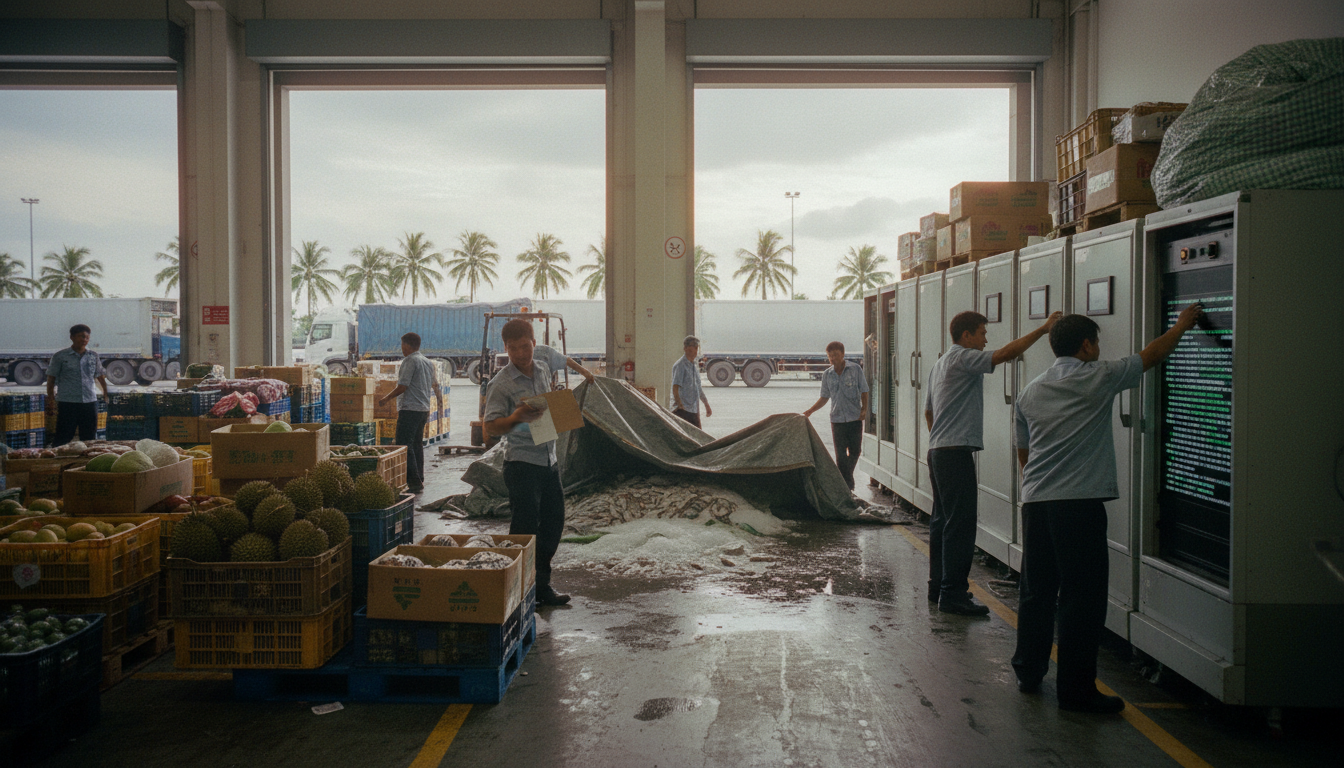
SINGAPORE
A cyberattack targeting French supermarket refrigeration systems, reportedly exploiting outdated control mechanisms, led to the shutdown of operations in more than 400 outlets across France. This incident, reported on October 12, 2026, by Channel News Asia, illustrates a vulnerability in critical infrastructure that extends beyond traditional targets and carries direct economic consequences. For the Asia-Pacific region, with its increasing reliance on digital systems and complex supply chains, the French experience serves as a clear indicator of systemic risk.
France engages with Asia on various fronts, including defence, energy, and technology, as French President Macron hoped for such deals during an Asia trip. The Diplomat also outlined French Indo-Pacific defence plans. However, the digital vulnerabilities highlighted by this cyberattack often remain secondary concerns to military and diplomatic engagement. The shutdown of supermarket refrigeration units does not directly impede military operations or geopolitical influence. It does, however, affect food security, consumer access, and ultimately, economic stability at a granular level. The incident near Nantes, captured in a Reuters photo showing a closed frozen food aisle, demonstrates a widespread disruption.
Economic planning in the Asia-Pacific frequently emphasizes growth and integration, yet the foundational digital infrastructure supporting these ambitions receives less scrutiny for its susceptibility to such attacks. The reported exploitation of 'outdated refrigeration control systems' points to a common challenge: legacy systems integrated into modern networks. Many nations across the Asia-Pacific operate critical infrastructure that is a patchwork of new technologies and older, less secure components. This extends to logistics, manufacturing, and food distribution networks, all of which are increasingly automated and interconnected.
The potential for similar attacks to disrupt essential services in the Asia-Pacific is considerable. A shutdown of refrigeration systems, for example, could devastate perishable goods supply chains, impacting food prices, public health, and agricultural exports. Countries like Thailand, heavily dependent on agricultural exports and tourism, could face immediate economic fallout from such disruptions. The interconnectedness of regional economies means a vulnerability in one sector or country can ripple outwards.
Some argue that cyber defense capabilities are continuously improving and that such incidents, while disruptive, are contained. They might point to the increasing investment in cybersecurity by major corporations and governments. However, the reported nature of the French attack — exploiting existing, rather than novel, vulnerabilities — suggests that vigilance over legacy systems is as crucial as developing advanced threat detection. The issue is not solely about preventing sophisticated new attacks but securing the older, often overlooked, points of entry.
This event in France underscores the necessity for Asia-Pacific nations to integrate cyber resilience into their core economic and infrastructure planning. Securing essential civilian infrastructure, particularly where it intersects with supply chains and daily consumer needs, presents an enduring challenge. The cost of upgrading outdated systems and implementing robust cybersecurity protocols for widespread commercial infrastructure remains a significant financial and logistical hurdle, even as the potential for disruption increases. Without concerted effort, the economic ambitions of the region will continue to operate on a foundation susceptible to such precise, yet far-reaching, digital attacks.
Sources
Newsletter
Pacific Daily
A curated briefing from Thailand, Asia-Pacific and the world.