Zambian Mine Spill Underscores Persistent Risk of Transnational Pollution in Asia-Pacific
A chemical discharge in Zambia’s Copperbelt Province, attributed to Konkola Copper Mines, reveals the enduring challenge of holding multinational resource companies accountable for environmental damage.
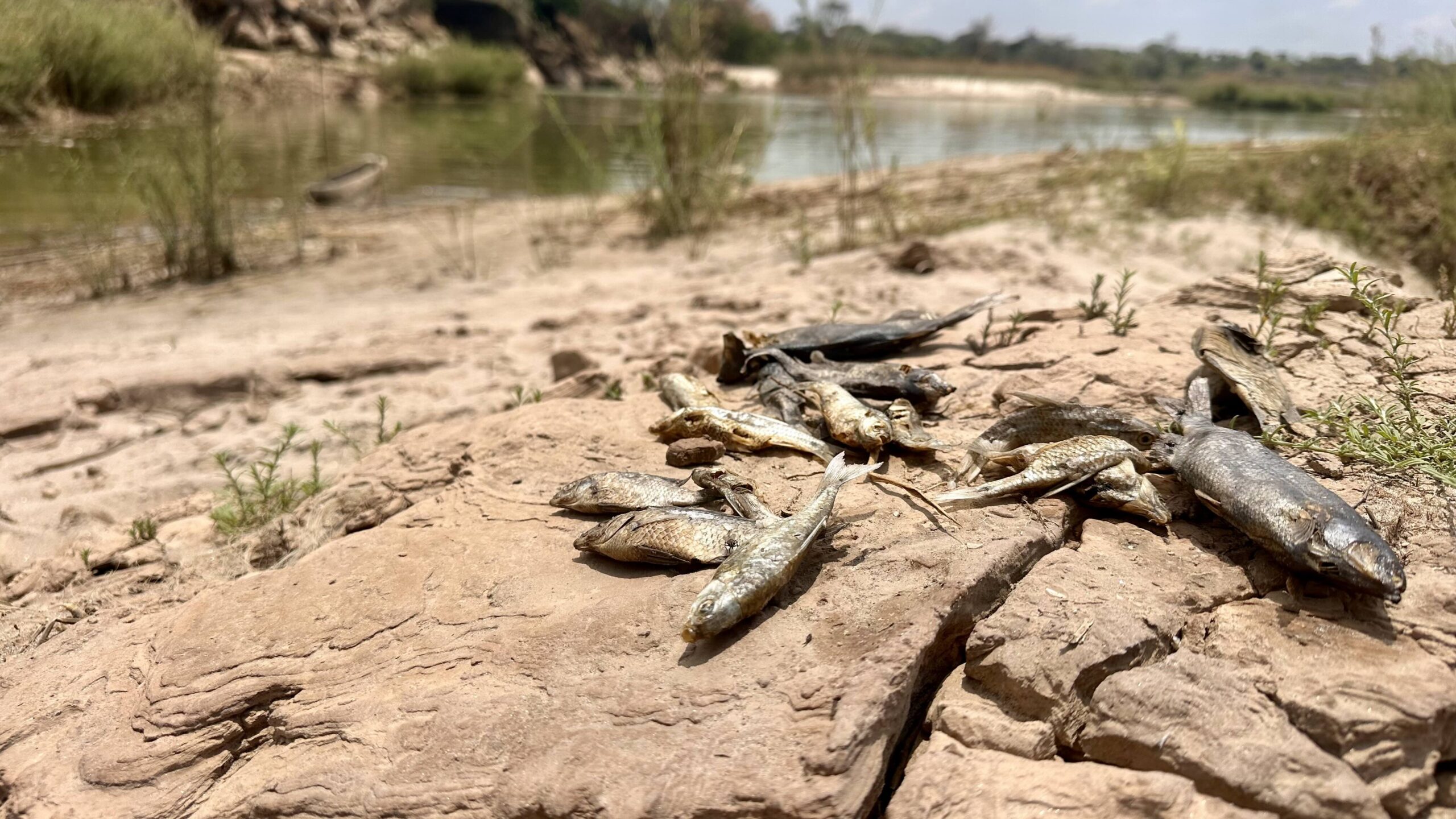
The reported chemical spill in Zambia’s Copperbelt Province, allegedly linked to Konkola Copper Mines (KCM), a subsidiary of U.K.-based Vedanta Resources, highlights the recurring nature of environmental liabilities associated with resource extraction. This incident, which saw residents in Chingola district observe Kafue River discoloration and fish die-offs on Sept. 28, occurs despite a history of legal challenges and regulatory scrutiny surrounding the company.
The Zambian government’s investigation into this chemical spill, which Gilbert Siame, Zambia’s minister of Green Economy and Environment (MGEE), attributed to a leaking pipe at KCM’s tailings leach plant and an overflow from a pollution control dam, indicates a systemic issue. The observation that “The [chemical] discharge happens all the time, mostly at night, and the local residents consume this water because they don’t have another option” suggests an ongoing pattern of contamination impacting local communities directly. This claim is reinforced by the explanation that “The pollution control dam was full, that s why it spilled,” implying a failure in containment infrastructure.
While this event occurred in Zambia, the underlying issues resonate across the Asia-Pacific region. Many nations in Southeast Asia and Oceania are similarly reliant on foreign direct investment in mining and other resource sectors. The balance between attracting capital for development and safeguarding environmental integrity remains a critical policy tension. The incident in Zambia illustrates that even with established regulatory bodies, such as the Zambia Environmental Management Agency (ZEMA), and prior legal action, environmental damage can persist, raising questions about enforcement effectiveness.
One perspective argues that such incidents are isolated and subject to local regulatory failures rather than a broader pattern of corporate behavior. However, the repeated nature of pollution allegations against KCM, particularly as investigations unfold, points to a more complex challenge involving both corporate responsibility and the capacity of state institutions to enforce environmental standards consistently. The structural reality is that capital mobility allows multinational firms to operate across jurisdictions, sometimes leading to a disparity in environmental compliance and accountability depending on the strength of local governance.
The implications for Asia-Pacific economies extend to public health, ecological stability, and the long-term viability of communities dependent on natural resources. The disruption to the Kafue River, for instance, affects not just the immediate environment but also the livelihoods of those who rely on its fish and water. Ensuring that regulatory frameworks are robust and that enforcement mechanisms are adequately resourced becomes paramount for nations hosting large-scale industrial operations.
Examining the KCM situation, a central question for policy makers and investors alike is whether current environmental impact assessments and monitoring protocols are sufficient to prevent repeated incidents. The claim that pollution control infrastructure failed, leading to an overflow, suggests that either the design capacity was insufficient, or operational oversight was lacking. This raises concerns about capital allocation towards environmental safeguards versus production targets. The unresolved constraint lies in establishing consistent, enforceable global standards for environmental responsibility that transcend national borders and effectively hold transnational corporations accountable for their operations.
Sources
Newsletter
Pacific Daily
A curated briefing from Thailand, Asia-Pacific and the world.