SGIFF's Controversial Film Selection Highlights Tension in Cultural Exchange
The Singapore International Film Festival's decision to screen 'The Assassin(s)' despite public criticism underscores the complex balance between artistic freedom and historical narrative sensitivities in the region.
SINGAPORE
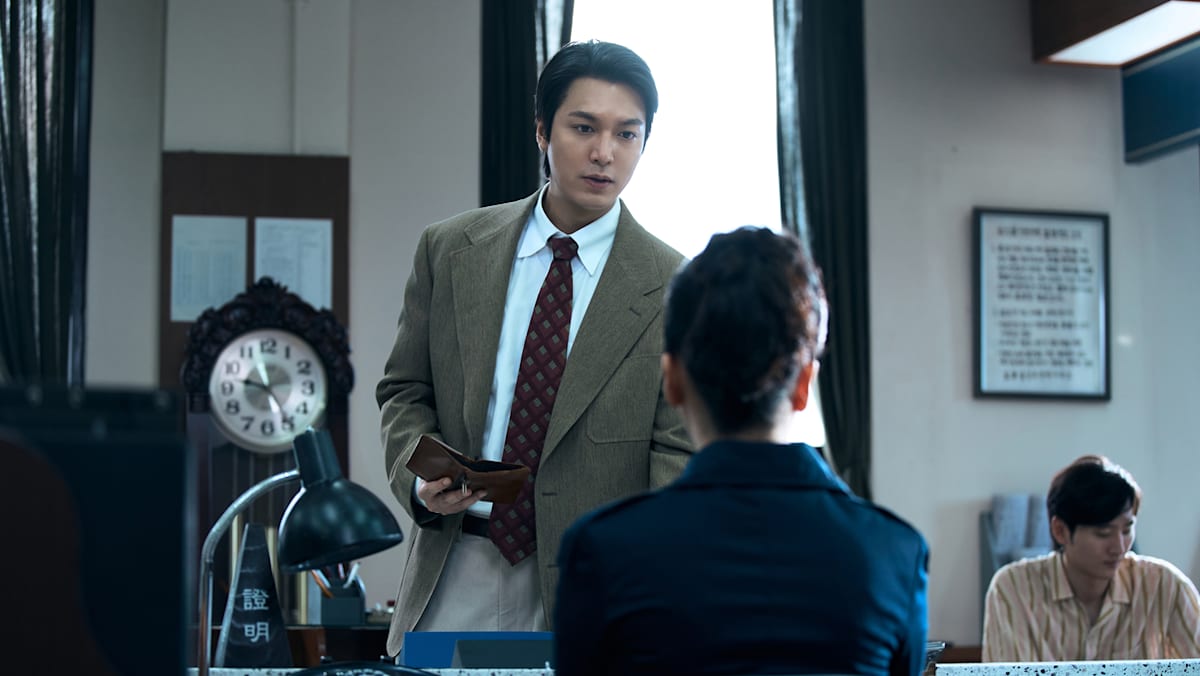
The Singapore International Film Festival (SGIFF) will open with "The Assassin(s)" on October 21 and 22, a South Korean crime political thriller drawing criticism. The film, directed by Hur Jin-ho, features Yoo Hae-jin, Park Hae-il, and Lee Min-ho. It has generated controversy over its fictionalized depiction of the 1974 assassination attempt that killed South Korea's first lady. The SGIFF's decision to proceed with the screening despite calls for withdrawal highlights a recurring tension in cultural programming.
Film festivals often navigate competing demands from audiences, artists, and national sensitivities. In this instance, the SGIFF, which moved its 2026 edition to October, faces scrutiny over a choice that prioritizes cinematic presentation over historical accuracy concerns articulated by some. The fictionalization of a specific historical event, particularly one involving a national tragedy, can prompt questions about the responsibilities of creators and platforms.
While the festival maintains its programming choice, the incident reveals how cultural institutions, even those focused on artistic exchange, must confront external pressures related to historical interpretation. The criticism leveled at "The Assassin(s)" demonstrates that the reception of historical thrillers is not solely about entertainment value. Such works often engage with public memory and national identity, particularly within a region where historical narratives are frequently contested or sensitive.
The decision to stand by the film suggests a position on artistic autonomy. However, it also brings attention to the potential for friction when a work touches upon politically charged historical events. The sustained public discussion around this film, even before its screening, indicates that cultural productions are rarely purely artistic endeavors. They are frequently interpreted through political and social lenses, especially when they revisit traumatic national moments.
The SGIFF's stance could be interpreted as a defense of curatorial independence. Yet, the ongoing controversy underscores the constraints on such independence when the content intersects with deeply felt public sentiments. This particular case offers a specific example of how institutions in the Asia-Pacific region must weigh their roles in promoting art against concerns for historical fidelity and public sentiment. The unresolved tension here is not about the film's quality but about the implications of its content for historical understanding and national discourse.
Sources
Newsletter
Pacific Daily
A curated briefing from Thailand, Asia-Pacific and the world.