Singapore's Intent: Curating a Cultural Hub for the Region
The arrival of a prominent international artist reflects a broader strategy, positioning Singapore within Asia's evolving cultural landscape.
SINGAPORE
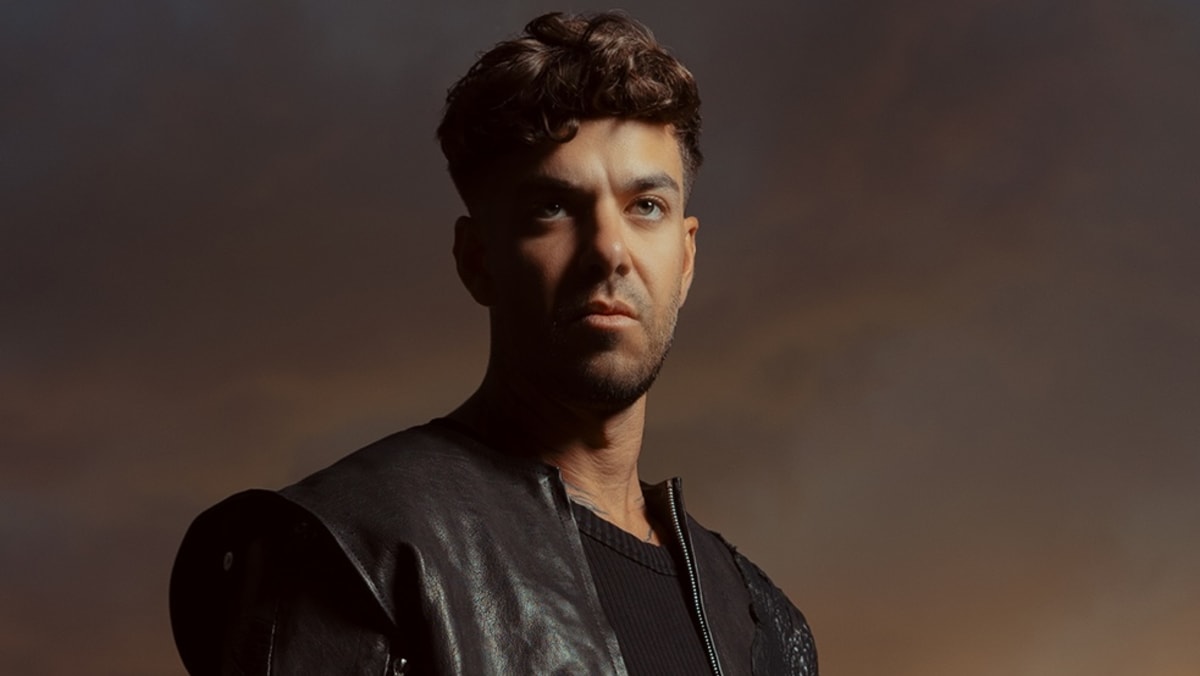
The announcement of Anyma's first-ever show in Singapore in October 2026, reported by CNA Lifestyle on August 27, 2026, signals more than a single performance. The Italian-American DJ, known for collaborations with Ellie Goulding and Blackpink's Lisa, is scheduled to perform at Marquee. While this event appears as one booking at an established venue, its context alongside other recent developments suggests a deliberate pattern.
Singapore has been the focus of various economic activities. Reuters reported HashKey's interest in purchasing the Asia Pacific Exchange. Separately, Stripe’s Chief Revenue Officer stated on August 25, 2026, to The Business Times that their Asia-Pacific business is expected to grow faster than other regions. The Japan Times reported on August 27, 2026, a Singapore police raid on the Radiant World office. These events relate to finance and commerce. Cultural events, such as Anyma's performance, contribute to a different kind of infrastructure, one that draws consumer spending and shapes a city's appeal beyond its financial metrics.
Singapore’s consistent engagement with high-profile international events is not incidental. As other regional centres navigate various levels of political and economic shifts, Singapore presents itself as a stable location. This perceived stability enables it to attract international acts that might otherwise hesitate to commit to less predictable areas. A global DJ's performance, such as Anyma’s, directly appeals to a demographic that values access to international entertainment. This segment often possesses significant disposable income and cultural influence. This strategy differs from the organic growth of local scenes; instead, it is an intentional import, positioning Singapore as a conduit for global trends for a regional audience.
However, this approach carries a specific limitation. A heavy reliance on imported talent and large-scale, pre-arranged entertainment risks overshadowing the development of local cultural expressions or impeding smaller, more experimental artistic ventures. A city’s sustained cultural vitality often arises from its capacity to cultivate homegrown talent and foster diverse subcultures, rather than primarily functioning as a stop on an international tour. While the immediate economic benefits are clear, such as boosts to tourism, hospitality, and related services, the deeper cultural impact may remain on the surface. The question then becomes whether these events truly integrate into the city's social fabric or merely pass through.
This deliberate cultural import, as exemplified by Anyma’s booking, is a statement. It reflects Singapore’s intent to be a primary destination in the region, not solely for finance, but for the experience economy. The city-state appears to be actively shaping its cultural standing, event by event, to solidify its position as a significant platform for international culture in Asia. This proactive stance suggests a strategic ambition to capture and direct consumer attention, effectively curating the regional cultural landscape through a series of notable, publicized arrivals.
Sources
Newsletter
Pacific Daily
A curated briefing from Thailand, Asia-Pacific and the world.