Beyond the Postcard: Finding a Home in Mexico City
The inclination to build a life abroad, rather than just pass through, signals a shifting perspective among those navigating new cultures.
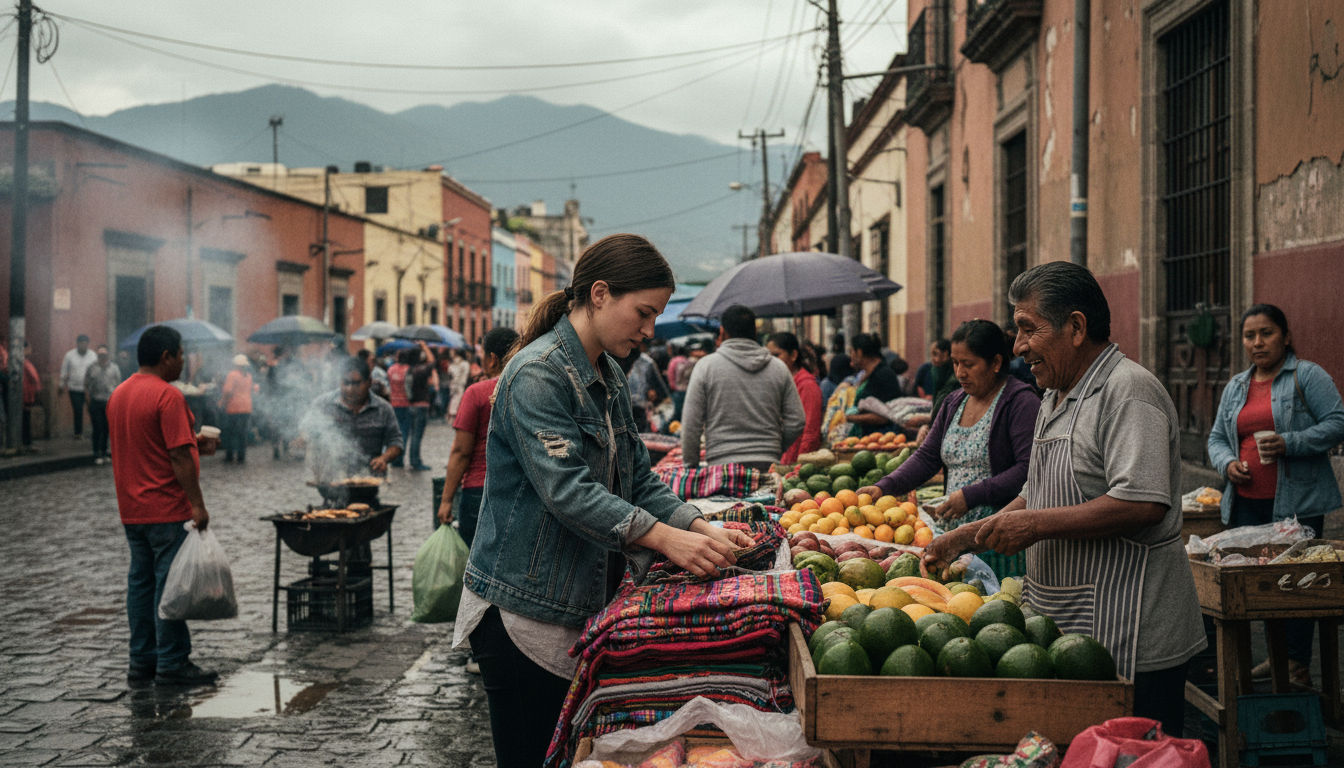
The vibrant streets of Mexico City, often depicted as a fleeting experience for travelers, reveal a deeper purpose for some new arrivals. Marta Delgado, at 25, moved to this sprawling metropolis from Spain, initially anticipating another transient chapter in her international life. She had, in her own words, already lived outside Spain and understood the process of navigating a new city. Instead, what unfolded was not merely a relocation, but the conscious act of constructing a life.
Her experience, reported in Mexico News Daily on October 3, 2026, highlights a crucial distinction: the difference between moving abroad and truly establishing roots. Delgado observes that many in their twenties might romanticize the idea of starting anew, particularly after facing personal challenges. This impulse to 'start over' contrasts sharply with the temporary engagement of a tourist or short-term worker. For Delgado, Mexico City evolved from a mere destination into a home. This transformation suggests a more profound commitment to a new environment, an intent to embed oneself rather than just observe.
For many across the Asia-Pacific, such a drive to integrate and forge a life beyond the confines of tourism marks a quiet but significant shift in global mobility. While the appeal of temporary exploration persists, the pursuit of long-term belonging speaks to a different form of engagement, one that seeks to transform a new place into a personal anchor. This often entails navigating unfamiliar social structures, cultivating new relationships, and securing an enduring economic presence, rather than simply encountering cultural highlights. It requires more than a visit; it demands participation.
However, building a life in a new country carries its own complexities. The process of cultural assimilation, adaptation to different social norms, and the legal intricacies of long-term residency are considerable. These challenges extend far beyond the initial romantic appeal of a fresh start. While some individuals, like a 65-year-old retiree CNBC reported living in Mexico on $1,500 per month, find such moves economically viable, the motivation to relocate is diverse. This suggests that for every person who successfully builds a new home, numerous others encounter obstacles that preclude permanent settlement. The progression from visitor to resident, and then to a fully integrated community member, is a path often underestimated in its demands.
This evolving pattern of migration, propelled by the search for belonging, offers a framework through which to assess the enduring appeal of cities such as Bangkok or Kuala Lumpur. These urban centers, rich with local character and international amenities, could similarly attract those aiming to build new lives rather than merely visit. The pertinent question for these destinations becomes not solely how to entice tourists, but how to cultivate environments where individuals can genuinely integrate and discover a sense of home, moving beyond a temporary stay. It means acknowledging the difference between a place one might travel through and a place that asks for, and receives, a long-term commitment.
Sources
Newsletter
Pacific Daily
A curated briefing from Thailand, Asia-Pacific and the world.