Peripheral Market Activities Offer Limited Maritime Economic Insight
Local cultural initiatives in Mexico's San Miguel de Allende, while distinct, yield no actionable data for Asian maritime sector analysis.
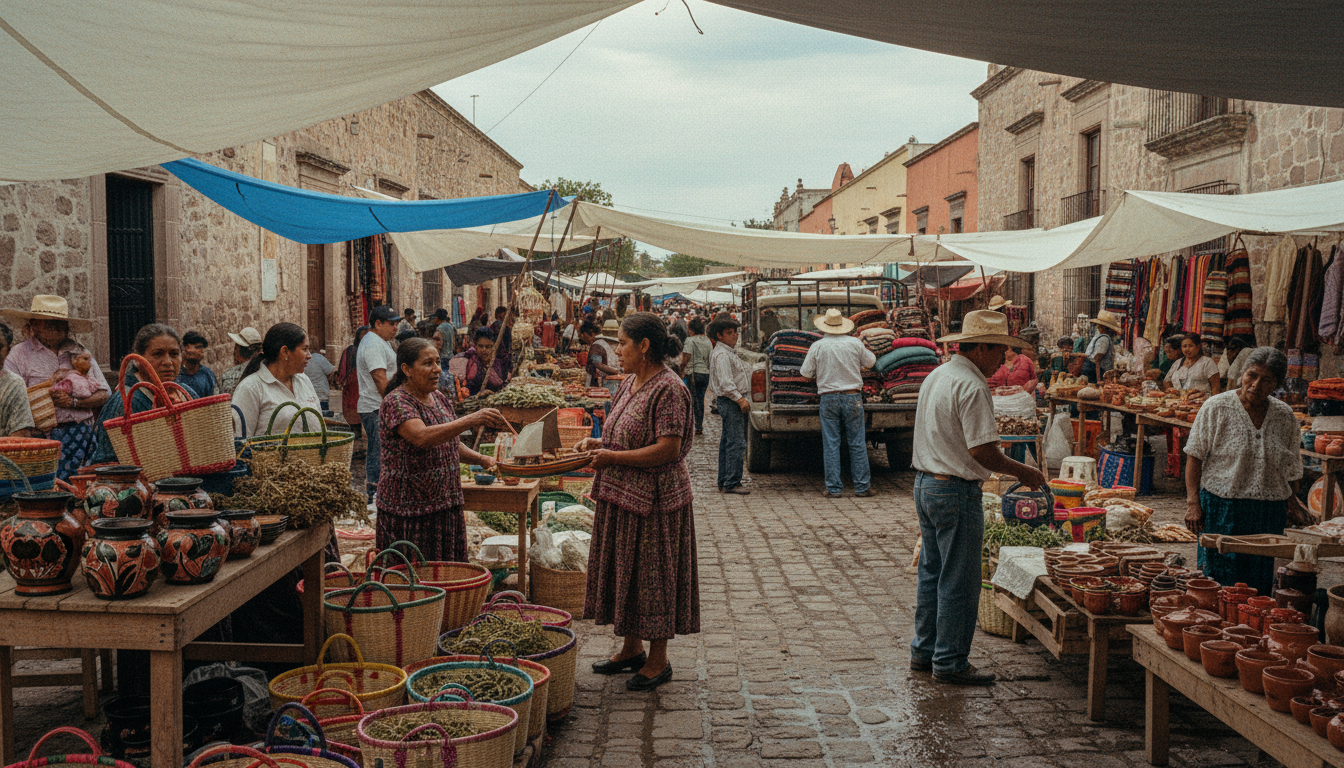
The reported activities in San Miguel de Allende, Mexico, encompassing an art passport initiative, a cow-sorting benefit, and an athletic challenge for school children, provide a localized snapshot of community engagement. Mariana Díaz, a local jewelry maker, initiated the 'Hidden Studios Art Passport' to highlight lesser-known artists, an effort described as addressing a perceived lack of visibility for talent. These events, documented by Mexico News Daily on September 22, 2026, detail specific cultural and charitable undertakings within a particular inland region.
The fact set, while precise in its reporting of local events, does not contain any direct or indirect maritime economic indicators. There are no figures related to shipping, port activities, yachting, marine infrastructure, or related financial transactions. The activities described—art exhibitions, livestock sorting, and fundraising for school meals—are characteristic of local community development, not international trade or maritime logistics. The absence of data on berth utilization, vessel traffic, shipbuilding orders, or marine services means that the usual metrics for assessing maritime economic health are not present.
From a yachting and marine perspective, the relevance of San Miguel de Allende's local events to Thailand and the broader Asia-Pacific region remains negligible. The reported celebrity sighting at a bar and restaurant, while a social detail, does not alter this assessment. The economic drivers and investment patterns that shape the marine sector in Asia typically involve significant capital expenditure in port development, fleet expansion, and luxury marine tourism infrastructure. These require quantifiable data on capacity, demand, and financial flows, which the current information does not provide.
A potential counterargument might suggest that such localized cultural initiatives, by fostering tourism or community wealth, could indirectly contribute to broader economic prosperity that eventually impacts international sectors. However, this is an inferred and attenuated link, not directly supported by any financial data within the provided material. The scale and nature of the described events are not presented as having the economic footprint necessary to generate discernible ripples through global supply chains or high-value maritime assets. The "art passport" aims to make local talent visible, an internal market concern without documented external trade implications.
The limitations of drawing conclusions for the Asia-Pacific maritime economy from these specific Mexican events are significant. The information is localized, culturally specific, and devoid of any elements traditionally analyzed in maritime economics. The core incentives driving these San Miguel de Allende activities—local artistic recognition and community charity—operate on a different plane than the commercial imperatives of global shipping or regional yachting hubs like those in Thailand. The outcome now depends on the availability of relevant financial data or direct maritime indicators for comparison, which are not currently available.
Sources
Newsletter
Pacific Daily
A curated briefing from Thailand, Asia-Pacific and the world.