Costa Rica's El Niño Power Plan: A New Calculus for Climate Costs
The proposed 36-month spread for electricity rate increases to cover additional generation costs reflects financial pressures from climate shifts, with implications for regional infrastructure planning.
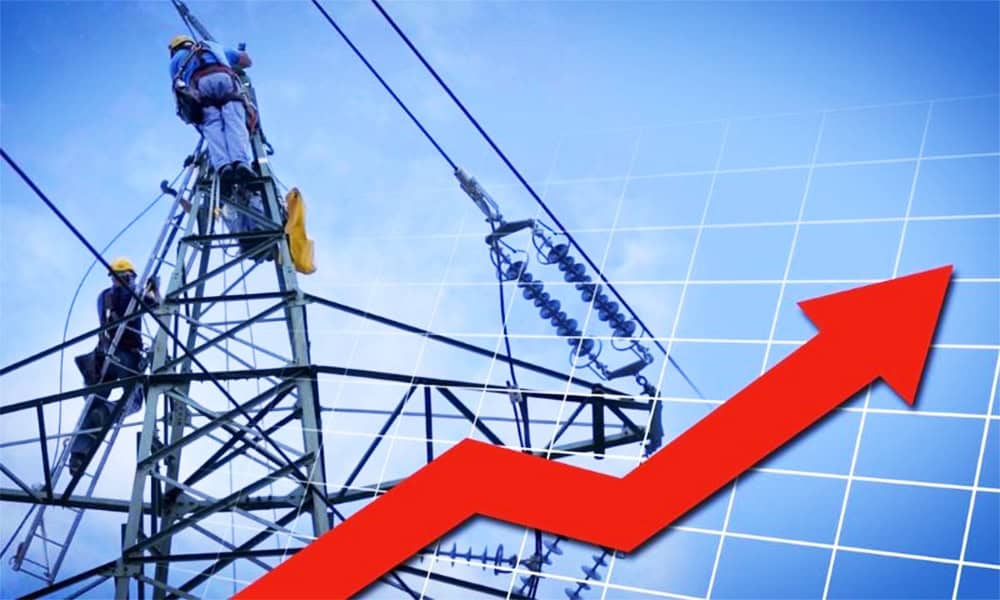
Costa Rica's Ministry of Environment and Energy (Minae) has outlined a plan to distribute the additional costs of electricity generation due to El Niño across 36 months of consumer bills. This directive, published in the official gazette La Gaceta, aims to mitigate a sudden rate increase by gradually recovering extraordinary generation expenses for the Costa Rican Electricity Institute (ICE).
The core of the issue is El Niño's anticipated impact. Minae projects reduced rainfall, increased water stress, and lower flows into hydroelectric reservoirs throughout 2026 and 2027. To maintain grid stability during this period, ICE will need to burn more fuel, directly increasing operational costs.
While the specific proposal addresses a domestic energy challenge, it signals a growing regional concern: the financial burden of climate-induced disruptions on critical infrastructure. Spreading costs over a multi-year period acknowledges these challenges are not one-off events but recurring. This approach, however, also delays the full reckoning with true energy costs.
The policy implies that Costa Rica views these costs as necessary and unavoidable operational adjustments rather than anomalies. The decision to buffer consumers from an immediate price shock suggests an attempt to balance economic stability with the imperative of securing power supply. Nevertheless, the underlying reality is a direct transfer of climate change impacts to the utility's balance sheet, and subsequently, to the consumer.
For other nations in the Asia-Pacific region reliant on climate-sensitive energy sources, particularly hydroelectric power, Costa Rica's strategy offers a case study. The choice between immediate cost pass-throughs and extended recovery periods involves trade-offs between consumer affordability and the financial health of state-owned utilities. It highlights how climate variability directly influences national economic planning and consumer spending. The requirement for ICE to burn more fuel also implies increased emissions, a secondary but significant environmental cost.
This situation reveals a tension between the immediate needs of energy security and the longer-term goals of climate resilience and decarbonization. The 36-month recovery period provides a temporary financial cushion. It does not, however, resolve the root cause of increased generation costs. The outcome now depends on the accuracy of Minae's El Niño predictions and ICE's ability to manage fuel costs over an extended period.
Sources
Newsletter
Pacific Daily
A curated briefing from Thailand, Asia-Pacific and the world.