A Rare Sighting, A Wider Pattern: The Shifting Coastlines of Expectation
Orca presence near Cocos Island suggests a world where natural boundaries blur, altering assumptions for Asia's destinations.
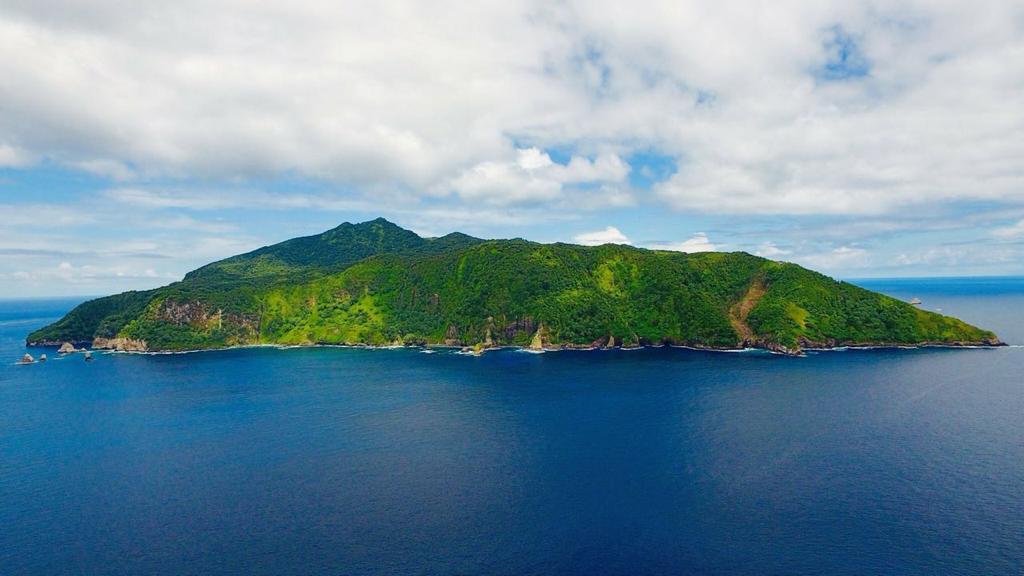
Near Manuelita Islet, just off Costa Rica’s Cocos Island, a group of four to five orcas was observed around midday. Park rangers encountered these animals in waters where the species is only occasionally reported. This event, reported by The Tico Times on September 18, 2026, details a rare encounter. It describes an instance where these recognizable predators appeared in a place where they are not typically seen.
Such an observation, though specific to a distant Pacific locale, brings into focus a broader phenomenon affecting coastal regions, including those across the Asia-Pacific. The ocean’s currents are not static; historical migrations and established ranges are subject to change. When species appear outside their usual zones, it offers a glimpse into an environment that is less predictable than once assumed. This is not about celebrating a new visitor, but acknowledging a variation from established patterns, which can alter perceptions of ecological stability and, by extension, the natural draws of a destination.
For destinations within the Asia-Pacific, particularly those reliant on marine tourism or those situated at climatic thresholds, such shifts carry implications. The expectation of consistent, season-specific marine life draws visitors and supports local economies. If the composition of species in an area changes, or their presence becomes less reliable, the established narratives around a destination's unique appeal may require re-evaluation. A destination’s allure is often built on predictable natural phenomena, from coral blooms to migratory bird patterns or, indeed, the presence of specific marine megafauna.
While the Cocos Island sighting is a distinct event, it contributes to a mosaic of observations suggesting environmental fluxes. It invites contemplation on how the familiar becomes unfamiliar, and how those changes, however subtle, reshape the understanding of what a specific place offers. The counterargument, of course, is that a single observation, even a rare one, does not constitute a trend. Orcas are highly mobile predators, and their occasional appearance in atypical areas could be an isolated incident of foraging or transit, rather than a definitive signal of widespread ecological rearrangement.
However, ignoring such occurrences as mere anomalies might obscure a slow, persistent alteration. If these individual incidents accumulate, they collectively indicate a reordering of natural systems. This reordering does not necessarily diminish the appeal of a destination; it simply changes its character. The shift from a stable, expected natural environment to one of emerging unpredictability requires a reconsideration of the images and stories that define coastal locations. The orca sighting near Cocos Island is a singular event, yet it provides a quiet commentary on the fluid nature of our world’s oceans and the assumptions we hold about the natural world.
Sources
Newsletter
Pacific Daily
A curated briefing from Thailand, Asia-Pacific and the world.