The Cycle of Repair: A Looming Landscape for Asia’s Shores
Costa Rica's infrastructure pattern of damage and temporary fix offers a stark mirror to the Asia-Pacific.
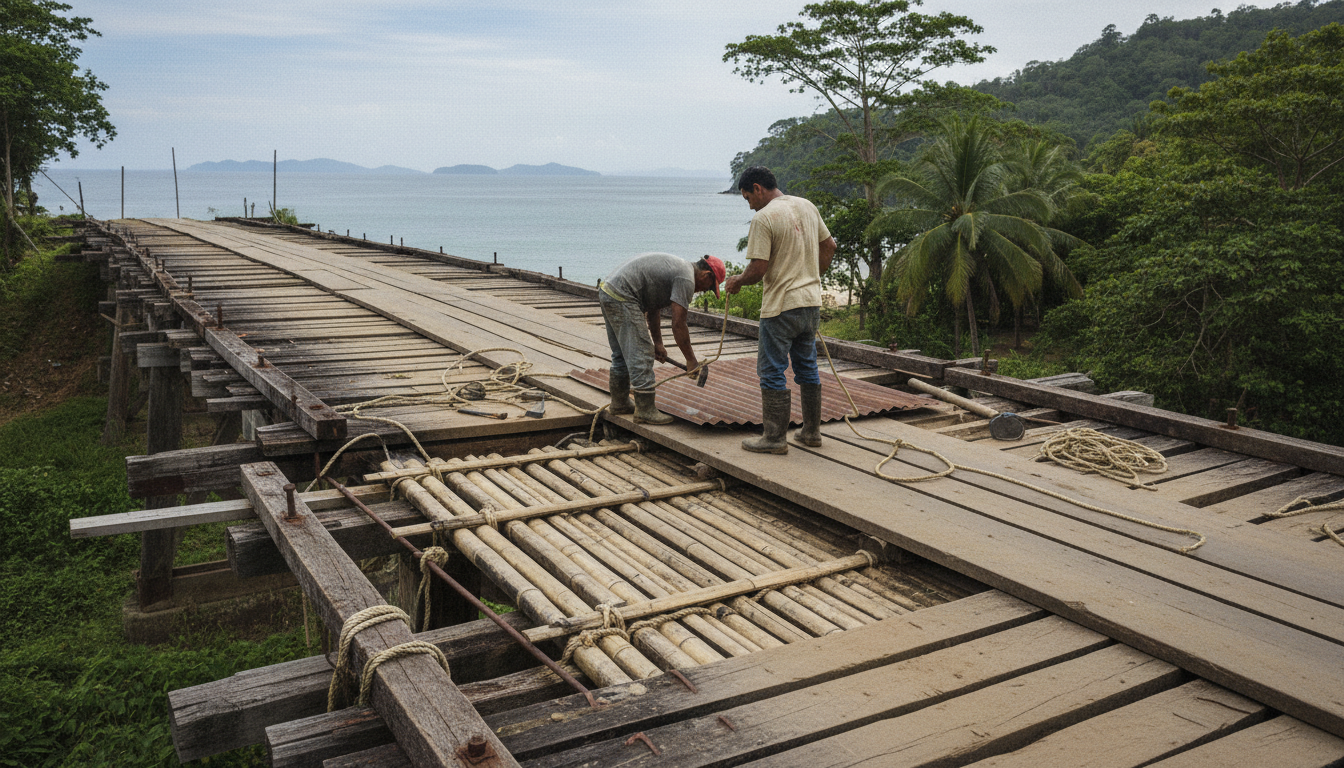
A specific country’s highways, cut through its landscape, witness an annual ritual. Rain-swollen rivers and shifting earth bring down sections of road, then crews arrive, patch the asphalt, and depart. The Contraloría General de la República (CGR) offers a figure: over ₡86 billion spent patching and rebuilding roads. Yet, the same cuts in the mountain, the same river crossings, fail again. The audit observes a pattern of repairs, not prevention. The question of whether a slope will give way again, or if a culvert can withstand the actual water volume of September, often goes unasked, leaving redesigns unconsidered in favor of temporary fixes. This cycle, as described in The Tico Times on September 17, 2026, points to a fundamental tension between immediate response and strategic foresight.
This pattern, one of repeated failure and reactive repair, is not unique to a single nation. Across the Asia-Pacific, a region defined by dynamic coastlines, active seismic zones, and the relentless march of tropical weather systems, the question arises: what lessons can be drawn from the experience detailed? This region's diverse geographies, for instance, face similar, if not more complex, vulnerabilities. Major infrastructure projects, vital for trade and connectivity, frequently intersect with environments prone to significant disruption. Coastal roads erode, bridges collapse under floodwaters, and critical supply lines are severed by landslides.
Consider the annual monsoon seasons that bring both life and destruction to much of Southeast Asia. Infrastructure, built to sustain economic activity, is often designed to withstand historical averages rather than future extremes. When a critical road connecting communities to market washes out, the immediate impulse, driven by economic necessity and political pressure, is to restore access as quickly as possible. This often means rebuilding precisely what was there before, in the same vulnerable location, rather than a deeper examination of the underlying risks. The CGR audit explicitly highlights this: too little money went into stopping the next washout.
Such an approach creates an enduring liability. Each repair, while necessary in the moment, adds to a cumulative cost that could, over time, have funded more resilient, relocated, or re-engineered solutions. The reliance on reactive measures, in the face of escalating environmental challenges, could condemn vast stretches of regional infrastructure to a perpetual state of vulnerability. The cost of not asking 'Should this stretch be redesigned instead of resurfaced?' is paid repeatedly, not just in currency, but in disrupted lives and economic stagnation. The scene of crews laying asphalt over an inevitably failing stretch of road offers a stark, predictive tableau for many regions across Asia. What does this place ask of the people who arrive? It demands not just an answer to today’s emergency, but an honest assessment of tomorrow’s certainty. The alternative is a future where the landscape demands the same answers, again and again.
Sources
Newsletter
Pacific Daily
A curated briefing from Thailand, Asia-Pacific and the world.