Regional Risk and the Price of Predictability in Southeast Asian Tourism
While Singapore offers support for citizens affected by distant flash floods, the deeper concern for the Asia-Pacific tourism sector lies in the frequency of such events and their economic ripple.
SINGAPORE
Prime Minister Lawrence Wong's recent expression of condolences and the Ministry of Foreign Affairs' offer of consular assistance to Singaporeans caught in the Nepal-Tibet flash floods is a standard diplomatic response. The August 27, 2026, events in Nepal, particularly the devastation in Nuwakot district, underscore a persistent challenge for the broader Asia-Pacific region: the increasing frequency and impact of natural disasters. For a sector like tourism, heavily reliant on stability and safe passage, these events are not isolated incidents but data points in a developing pattern.
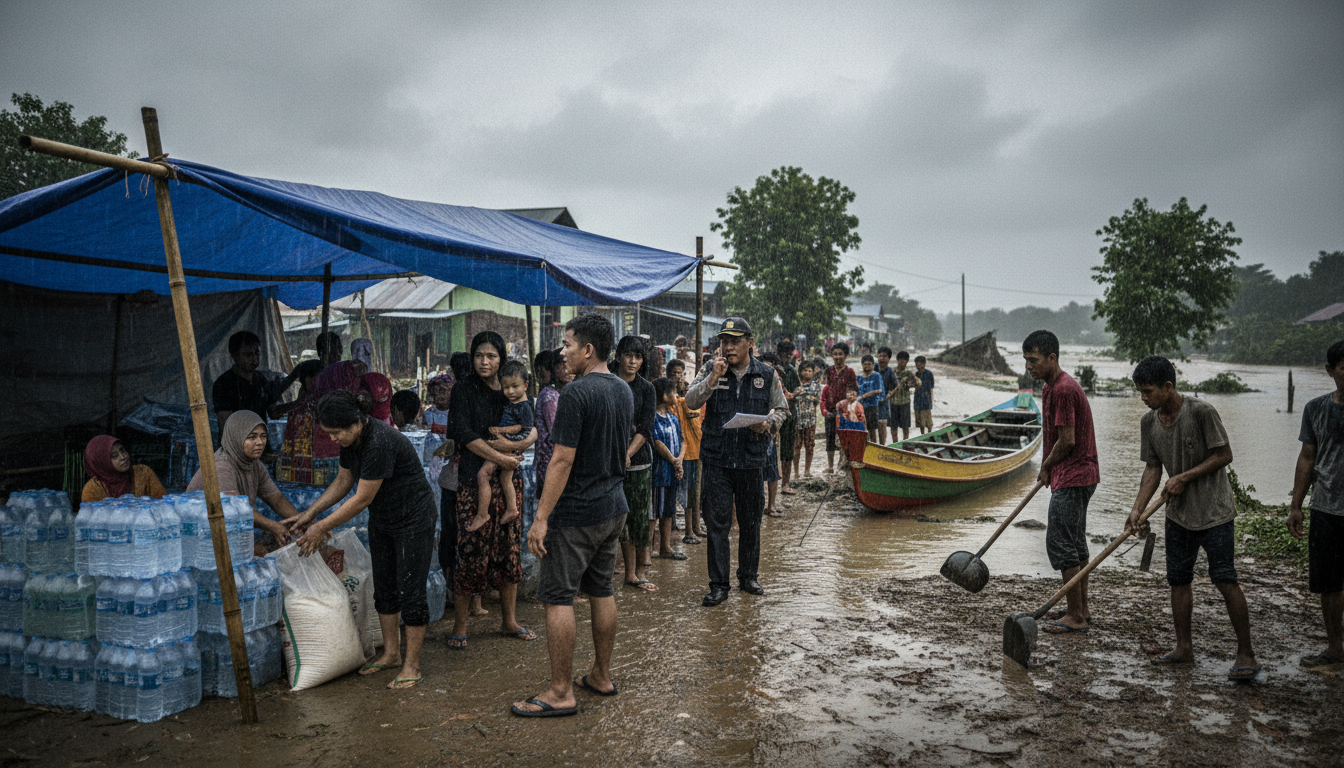
The immediate financial cost of such disasters, particularly for the hospitality industry, falls largely on local businesses and governments. While international aid and consular services provide humanitarian relief, the long-term burden of infrastructure repair, revenue loss from diminished tourist arrivals, and the cost of rebuilding confidence often remains with the affected nations. The photograph of survivors on debris in Trishuli, Nuwakot district, waiting for roads to clear, is a stark visual of disrupted supply chains and inaccessible destinations. These disruptions directly translate into lost bookings, cancelled tours, and reduced occupancy rates, the metrics by which this industry ultimately operates.
From a market realist perspective, the key question becomes who bears the cost of this rising unpredictability. Airlines face operational hurdles and potential refunds; tour operators manage cancellations and re-bookings; and destination marketing organizations grapple with negative perceptions. While a flood in Nepal might seem geographically distant from Thailand's resorts, the cumulative effect of such regional instabilities creates a perception of risk that can influence travel decisions across the continent. Investors in hospitality projects, for instance, must factor in not just local political stability but also the increasing likelihood of climate-related disruptions across their potential markets.
The hospitality sector in Southeast Asia, including Thailand, has historically benefited from its perceived stability and diverse offerings. However, the recurring nature of severe weather events in the wider Asia-Pacific, from floods to typhoons, complicates this narrative. The market signals a need for more robust risk assessment and mitigation strategies, which inevitably carry a price. Insurance premiums for properties and operations in vulnerable zones are likely to climb, and governments may be compelled to invest more in early warning systems and resilient infrastructure, costs that can indirectly affect the competitiveness of destinations.
One counterargument posits that localized disasters, particularly in less trafficked adventure tourism areas like parts of Nepal, have minimal impact on the broader, more established leisure markets of Southeast Asia. This argument suggests that a tourist deterred from trekking in the Himalayas might simply choose a beach holiday in Phuket, thus diverting rather than eliminating demand. While some substitution certainly occurs, it overlooks the systemic pressure. A region continually hit by disruption eventually erodes its overall attractiveness, pushing travelers towards perceived safer, more predictable options outside Asia. Furthermore, the economic spillover from reduced regional travel spending can affect airlines and multi-destination tour operators who service the entire continent.
The challenge for the Asia-Pacific's tourism future is not merely reacting to each crisis, but integrating the increasing volatility into its long-term planning and pricing structures. The cost of environmental instability is real, and it is a cost that will increasingly be reflected in everything from flight prices to hotel rates and insurance premiums. The question of who ultimately pays remains with the consumer, through higher prices, or with the industry, through diminished returns. The outcome now depends on how effectively the region can build resilience and communicate its safety amidst an evolving climate.
Sources
Newsletter
Pacific Daily
A curated briefing from Thailand, Asia-Pacific and the world.