The Stirring Cup: Thailand’s Youth and the Pursuit of Heightened Sensation
The region's caffeine habits, viewed through Bangkok's street-level energy, suggest a wider phenomenon.
SINGAPORE
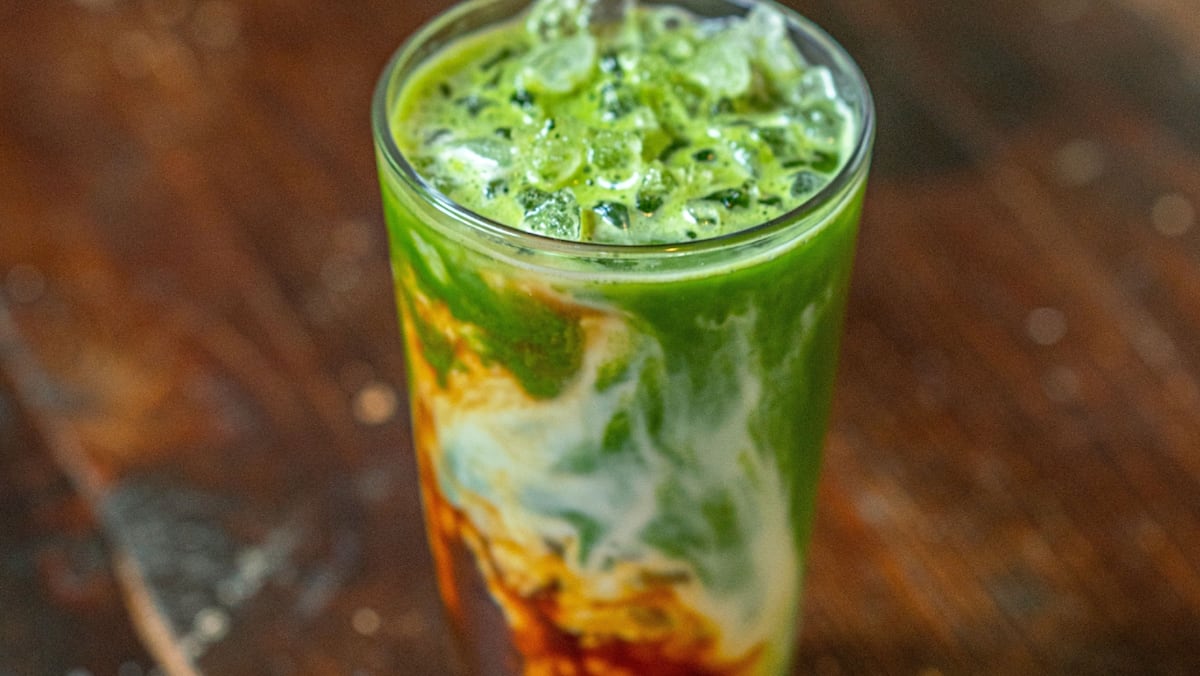
A visitor to Bangkok’s more animated street markets or university districts might observe a peculiar ritual among younger Thais: the careful, sometimes elaborate, preparation of intensely caffeinated drinks. It is a scene of quick hands and concentrated effort, blending energy drinks with coffee or matcha. This practice, often seen as a personal boost, is gaining visibility, particularly among adolescents.
Such an observation prompts reflection on the broader context of caffeine consumption in Asia-Pacific. A recent report by CNA Lifestyle on September 22, 2026, highlighted a tested mix of Monster, Red Bull, and espresso that contained 282.1mg of caffeine. This figure, described as equivalent to approximately three cups of brewed coffee, stands in contrast to the advised maximum daily intake of 100mg for adolescents aged 12 to 18. The report did not specify where this particular blend was tested or its prevalence. However, its emergence as a topic of concern implies a growing trend that transcends national borders within the region, even if the specific data point originated from Singapore-focused media.
Thailand, with its dynamic urban environments and significant youth population, provides a fertile ground for such trends. The pursuit of sustained alertness and focus is not unique to any single generation or locale. Yet, the method of achieving it, through potent caffeine cocktails, suggests a deeper societal pressure. What does this relentless drive for stimulation ask of those who arrive at the precipice of adulthood in Southeast Asia? Is it a demand for peak performance, an expectation of always being ‘on,’ or simply a cultural adaptation to the pace of contemporary life?
One might argue that such practices are merely an evolution of traditional consumption, no different in essence from the morning cup of robust coffee, or the historical use of stimulants across various cultures for work or ritual. The counterargument posits that the sheer concentration of caffeine, as demonstrated by the 282.1mg figure, crosses a threshold from customary refreshment to a potentially detrimental reliance. This perspective acknowledges that while coffee and tea have long been staples, the industrial concoctions and their potent combinations represent a new frontier in consumption habits, pushed by market availability and peer influence.
The challenge for families and public health bodies lies not in eradicating caffeine, but in understanding the motivations behind its escalating consumption. The region’s economic shifts, often reported by outlets like CNBC noting mixed Asia-Pacific market trades amid geopolitical tensions throughout 2026, suggest an environment where competitive pressures are constant. For many young people, this could translate into a perceived need for an 'edge.' The blending of multiple high-caffeine sources, therefore, might be less about taste and more about the tangible output it promises, or at least appears to promise. It is a stark visible indicator of how modern demands are reshaping daily life, one high-octane beverage at a time.
The scene of a young person meticulously mixing their chosen elixirs, in the humid air of a Thai evening, now carries an additional weight. It is not just about a drink; it is about the intricate negotiation between personal ambition, societal expectation, and the chemical means available to bridge the gap. The true cost of this heightened energy remains an open question, one that the vibrant, restless pulse of the Asia-Pacific will continue to explore.
Sources
Newsletter
Pacific Daily
A curated briefing from Thailand, Asia-Pacific and the world.