El Niño's Dry Grip Remakes Guanacaste's Daily Rhythms
While some parts of Costa Rica face deluge, residents in Guanacaste navigate a landscape parched by unusual weather patterns, compelling shifts in how life is lived and observed.
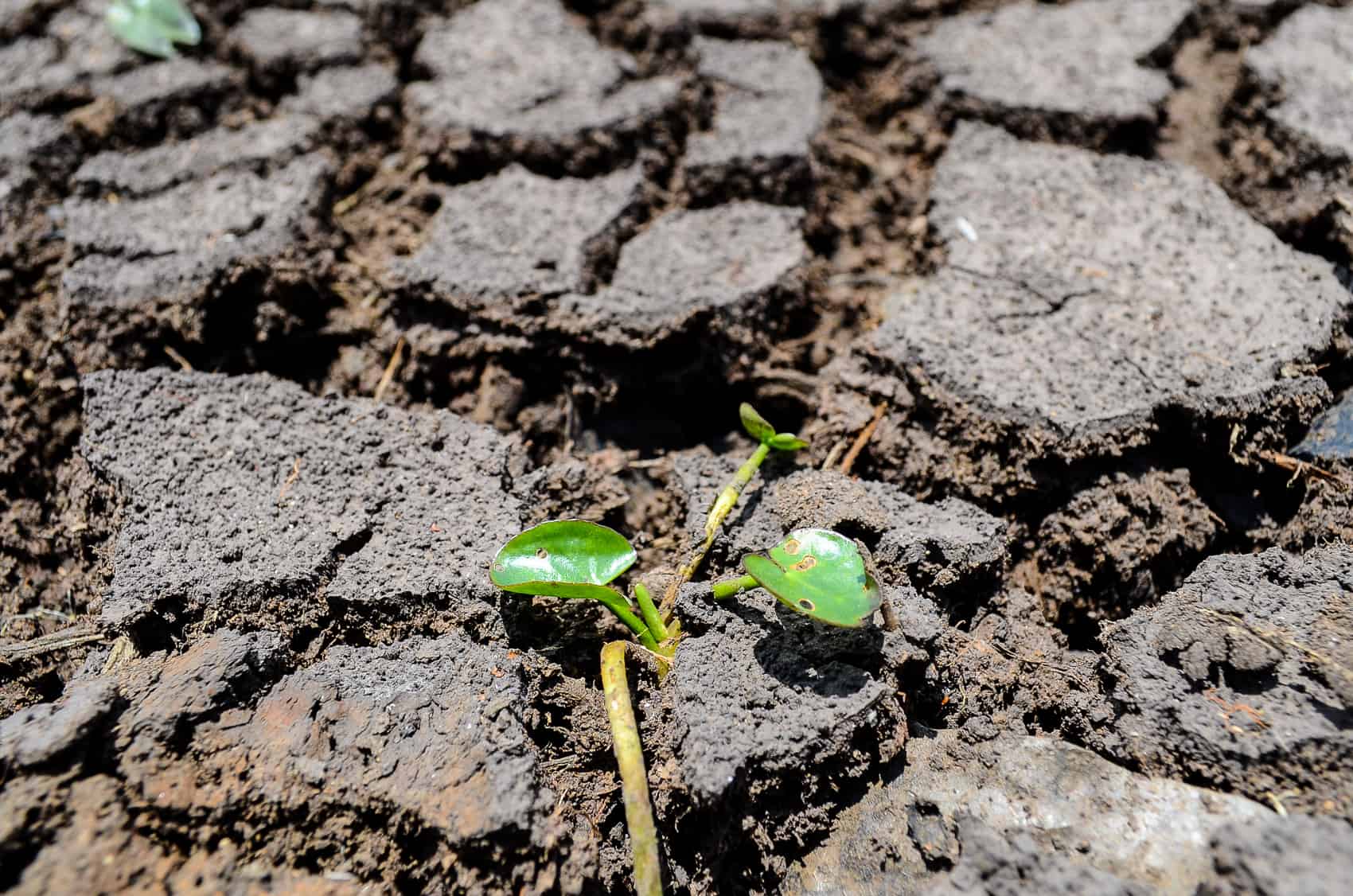
A drive through the mountains reveals the scene: cattle ponds are now cracked mud, and rivers, once flowing, have become stretches of gravel. This is Guanacaste, Costa Rica, where residents are experiencing what has been described as the least rainy rainy season in 14 years, an observation made by a resident reporting to The Tico Times on October 3, 2026. This stark reality unfolds even as other regions of Costa Rica, including northern parts and the Caribbean, report being inundated with heavy rains, a consequence of an unusually strong El Niño phenomenon.
For those living in Guanacaste, the impact of this altered climate is not abstract; it reshapes daily existence. Water rationing is a constant, and the environment itself signals distress. Wildlife patterns are shifting, and the fundamental rhythms of life, from work to personal routines, are being reconfigured. The Tico Times piece, published on October 3, 2026, highlights how a local camera trap project is now navigated through parched terrain, a tangible example of work directly affected by the scarcity.
A Shifting Climate’s Ripples
The current El Niño is not merely another weather event; it is anticipated to be particularly powerful, as noted by Livemint on September 16, 2026. This intensity brings a duality: areas like Guanacaste suffer from severe drought, while others, sometimes within the same national borders, face flooding. This uneven distribution of extreme weather poses complex challenges for communities and infrastructure, demanding adaptation that moves beyond traditional expectations of seasonal rainfall.
The Tico Times report provides a specific lens into how global climatic forces translate into local behavioral changes. The resident's account of thunderstorms waking them in the night, yet yielding little lasting relief, underscores the unpredictable nature of the current conditions. The long-term implications for the region's ecology, agriculture, and human settlements remain an open question. Such pronounced variations in weather, from intense dry spells to deluges, reflect a broader pattern of climatic disruption that necessitates a re-evaluation of resource management and daily practices, even in places accustomed to distinct rainy and dry seasons.
Sources
Newsletter
Pacific Daily
A curated briefing from Thailand, Asia-Pacific and the world.