A Landscape's Indelible Mark: Beyond the Tourist Brochure
The lasting influence of Tepoztlán's Chalchitépetl on Chavela Vargas speaks to a deeper connection than mere aesthetics.
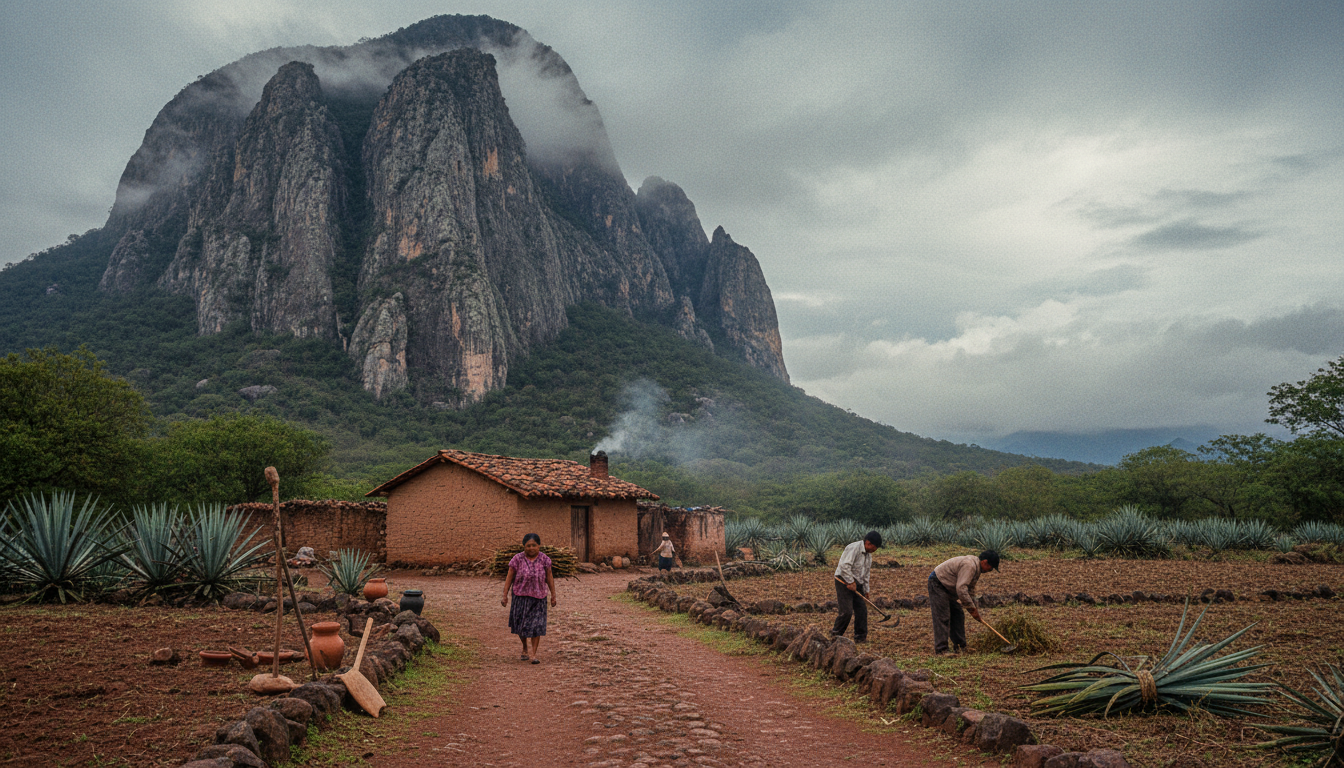
The reported story of Chavela Vargas and her decision to settle in Tepoztlán, in the state of Morelos, hinges on an encounter with a specific mountain: Chalchitépetl. Mexico News Daily reported on September 18, 2026, that Vargas was captivated by this formation, an experience that led her to make the town her home. Gerardo Ramírez, manager of Casa Chavela, recounted her arrival, stating, "She came, knocked on the door, and asked what she had to do to live here, and that is how she ended up staying." This account suggests a profound, immediate connection, going beyond simple admiration for scenery.
Vargas, famous for her declaration, "We Mexicans are born wherever the wind takes us," was Costa Rican by birth. Her association with a particular Mexican landscape, solidified by a dream she reportedly had of Chalchitépetl before ever seeing it, underscores a pattern often overlooked in the promotion of destinations. Tourism marketing frequently focuses on the visual, the immediate 'wow' factor, or the curated experience. It presents landscapes as backdrops, as transient pleasures to be consumed and documented. The narrative of Vargas, however, suggests that certain places exert a pull far more fundamental than promotional slogans acknowledge.
This phenomenon extends beyond individual artistic sensibility. While many travelers might seek out destinations for their aesthetic appeal or recreational opportunities, the enduring attachment of a figure like Vargas to a specific geological feature, one she felt she knew before arrival, highlights a different kind of value. Chalchitépetl was not just a scenic view for Vargas; it was, by her account, a pre-cognized destiny. This suggests that the true 'destination' appeal, for some, is not merely what is seen, but what is felt, what resonates with an internal, perhaps even subconscious, landscape.
The challenge for destinations, especially those in the Asia-Pacific region vying for visitor attention, is that this deeper connection cannot be easily manufactured or advertised. While images of stunning natural beauty, like those of a total solar eclipse over North America captured in April 2024, draw global interest, they primarily engage the eye. The Tepoztlán narrative implies that lasting engagement may arise from an interaction that predates physical presence or transcends purely visual stimuli. This is not to say that scenic beauty is inconsequential; rather, it suggests it might be an entry point to something more enduring.
Indeed, for every visitor drawn by a mountain's majestic peak, there are likely others whose experience remains superficial, unmoored from any deeper resonance. The counterargument posits that Vargas's experience is unique, a singular artist's romanticized connection, not a universal template for destination appeal. Many places thrive on their tangible offerings: ancient temples, vibrant markets, or pristine beaches. The commercial success of these locations often relies on their immediate, measurable attractions.
Yet, the Tepoztlán story remains instructive. It suggests that while marketing showcases the surface, the enduring allure of a place, its ability to leave an indelible mark, can stem from an intangible, almost mystical rapport between an individual and a landscape. It speaks to a profound spatial intuition that guides some to their true 'homes,' irrespective of birth or prior experience. This, perhaps, is the truest measure of a place's power: its capacity to feel like a recognition, not just a discovery.
Sources
Newsletter
Pacific Daily
A curated briefing from Thailand, Asia-Pacific and the world.