A Journey to Changi: Beyond the Walls of Rehabilitation
The quiet dedication of a 74-year-old volunteer in Singapore hints at a deeper narrative of care, challenging rigid perceptions of justice across the region.
SINGAPORE
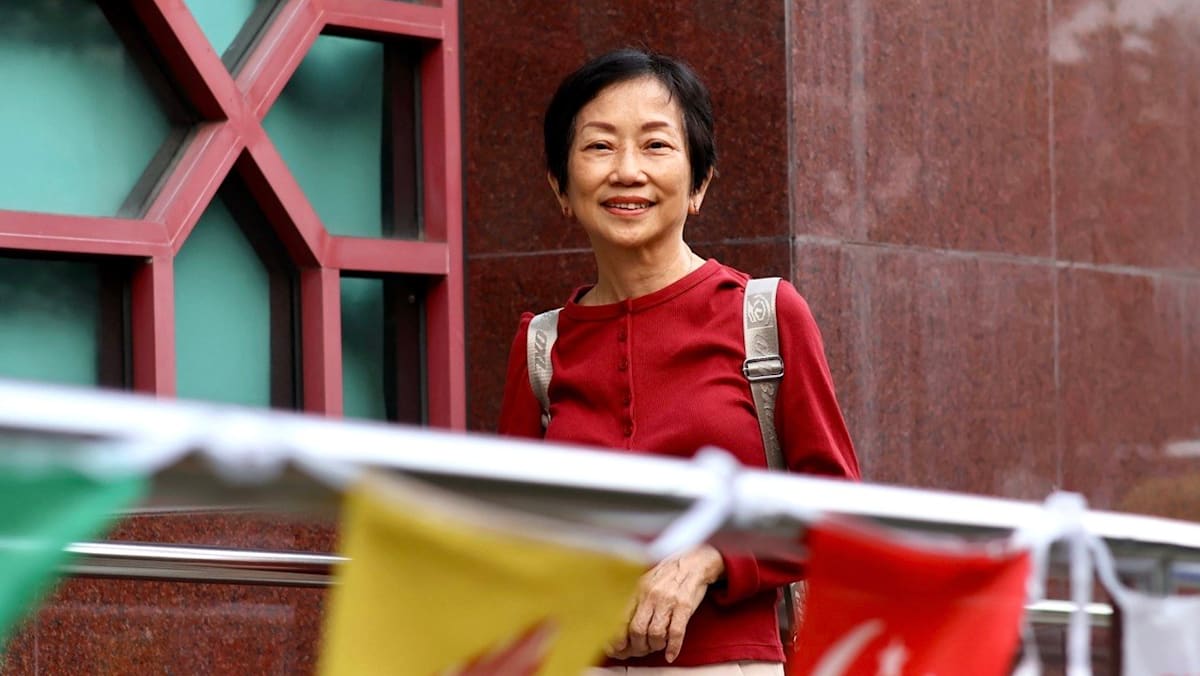
Every Sunday before dawn, a specific, verifiable scene unfolds in Singapore. Choo Choy Lian, at 74, begins a two-hour journey by public transport from the west of the island to the east, her destination Changi Prison. For 15 years, this routine has marked her week as a volunteer with the Singapore Buddhist Federation, offering counsel to inmates. Her commitment, a steady presence, operates within a system often characterized by its strictures.
Singapore’s correctional approach is known regionally and globally for its severe penalties, including caning and capital punishment, particularly for drug offenses. Reports from 2019 and 2017 regarding a London DJ’s punishment and calls to halt an execution for a Malaysian drug trafficker, respectively, illustrate the intensity of this framework. This environment is not one typically associated with the sustained, quiet compassion of an individual like Choo Choy Lian. Yet, her consistent presence at Changi, documented on September 22, 2026, by CNA Lifestyle, highlights an important counterpoint to the official narrative of deterrence and retribution. She represents a layer of human engagement within a system that outsiders often perceive as solely punitive. Her stated belief, that turning a life around requires patience, understanding, and another chance, directly informs her work, even when some individuals return to prison. This perspective suggests a recognition of complexity that goes beyond simple judgment.
The act of travelling for two hours weekly for 15 years is not merely an expression of personal charity; it is a sustained, physical investment in the idea of human potential beyond the confines of a prison sentence. It points to a demand for rehabilitation that exists even within environments where punitive measures are prominent. This demand is met not by systemic reform in these instances, but by individual dedication. The focus of Choo Choy Lian’s work—providing a listening ear and helping inmates navigate life after prison, as noted in a March 2024 report—is a form of engagement that acknowledges a societal responsibility beyond mere incarceration.
In the broader Asia-Pacific context, particularly in nations like Thailand, where discussions around rehabilitation and social reintegration often intersect with public safety concerns, the singular effort of volunteers like Choo Choy Lian offers a specific point of contemplation. Thailand, like Singapore, navigates the tension between maintaining social order and addressing the root causes of crime. While national policies and legal frameworks often dominate public discourse, the quiet persistence of individuals like Choo Choy Lian suggests that the process of societal repair extends beyond legislative decisions and formal institutions. Her journey to Changi every Sunday illustrates that alongside the imposing structures of justice, there are continuous, private efforts to nurture personal transformation. The significance lies in how this enduring, personal commitment persists within, and perhaps even softens the edges of, a formidable state apparatus, offering a different form of engagement with those removed from society.
'I don’t want to give up on them'
This kind of individual dedication does not overturn a nation’s justice system, nor does it necessarily alter its public perception. The rigorous nature of Singapore’s legal environment remains a defining characteristic, as evidenced by its global reporting. However, the presence of volunteers like Choo Choy Lian points to an often-unacknowledged undercurrent of care. It suggests that alongside the official mechanisms of control, there are parallel, informal pathways to rehabilitation, driven by a belief in individual change. This quiet commitment, observed over 15 years, transforms the prison not just into a site of confinement, but also, in specific moments, into a space for human connection and the persistent offering of hope. It is a subtle but significant element in the complex tapestry of justice in the Asia-Pacific, one that arises from the ground, rather than descends from policy.
Sources
Newsletter
Pacific Daily
A curated briefing from Thailand, Asia-Pacific and the world.