RTS Link: Operational Efficiency, Not Just Opening Date, Defines Success
Analysts predict early crowd tests for the delayed cross-border rail link, highlighting how sustained efficiency, not initial fanfare, determines its value.
SINGAPORE
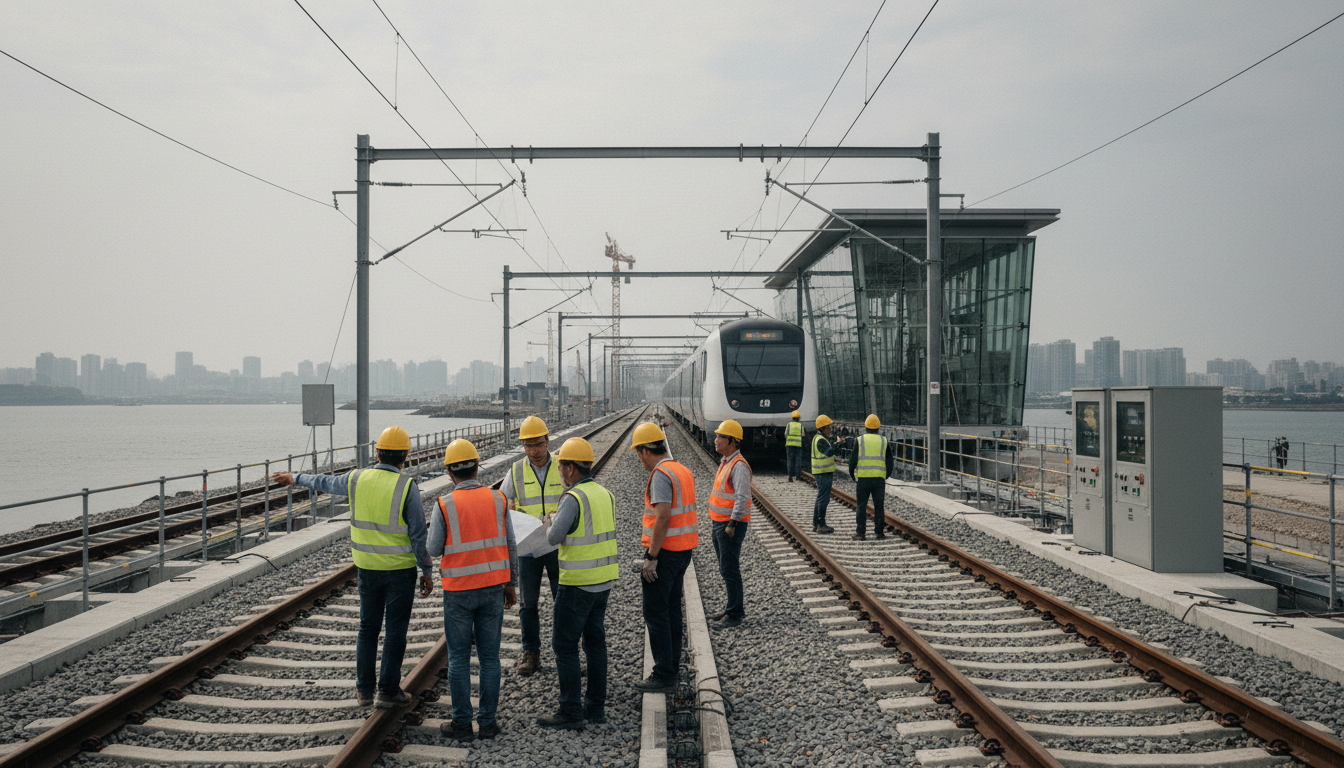
The Rail Transit System (RTS) Link, intended to connect Johor Bahru and Singapore, nears its launch with analysts pointing to potential early operational challenges. Opening the system near Chinese New Year or Hari Raya, analysts say, could subject it to immediate crowd tests, particularly concerning border clearance and ticketing processes. A test run of an RTS Link train occurred in July 2026, according to CNA Lifestyle. This immediate focus on holiday surges highlights a fundamental tension in large-scale cross-border infrastructure projects.
While a direct rail link offers clear convenience, its financial viability hinges on consistent high-volume operation, not just a few peak days. The project has a history of delays; Khaw Boon Wan stated in January 2019 that it was 'not progressing well,' and its opening was likely to be delayed beyond 2024. This extended timeline amplifies the financial pressure for the system to perform effectively from its debut.
For operators and investors, the key financial question revolves around the cost of undercapacity or inefficiency. Delays at border clearance, even outside peak periods, can diminish the perceived value for commuters. If the system struggles during anticipated holiday spikes, its long-term adoption by daily cross-border workers and casual travelers could be negatively impacted. A 'lack of clarity on JB rail plans' noted in June 2026 by CNA suggests that potential bottlenecks may extend beyond the RTS Link itself, affecting the broader transit network in Johor Bahru.
The RTS Link aims to facilitate movement between two significant economic zones. If supporting infrastructure and processes are not synchronized, however, the project risks becoming a point of congestion rather than a solution. Slow processing times translate directly to fewer trips, reduced revenue, and a longer payback period for a substantial infrastructure investment. The true measure of the RTS Link's success will be its capacity to maintain predictable, efficient service day after day, ultimately dictating who benefits and who absorbs the costs of any operational friction.
The outcome now depends on how effectively border agencies and ticketing systems integrate and scale. The system’s design capacity matters, but human and procedural elements remain the critical, unresolved constraint.
Sources
Newsletter
Pacific Daily
A curated briefing from Thailand, Asia-Pacific and the world.