Mexico City's Cultural Shifts Signal Infrastructure Challenges Amid Urban Growth
New cultural venues and protected trees in Mexico City illustrate competing demands on urban infrastructure, a dynamic mirrored in rapidly developing Asia-Pacific cities.
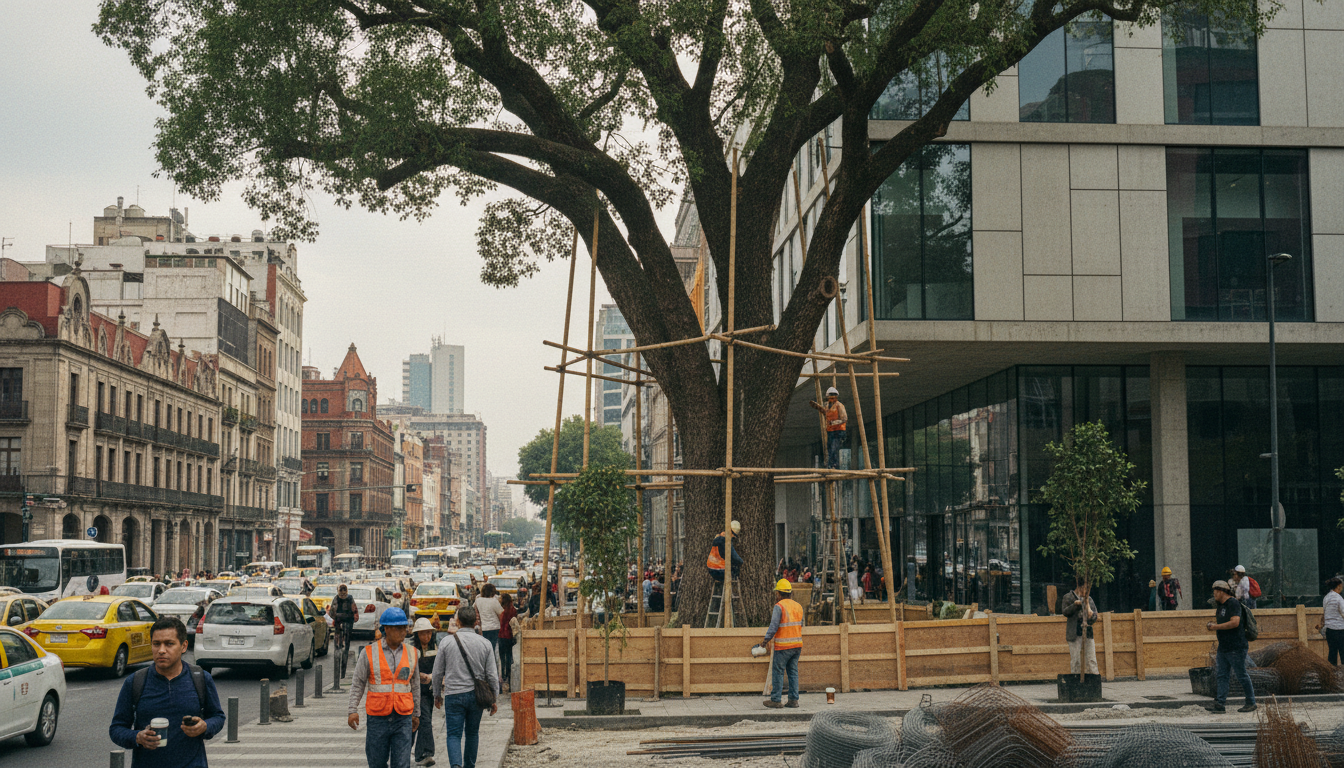
Mexico City is experiencing shifts in its urban landscape, as evidenced by a new cultural hub and formal protections for significant trees. The Centro Cultural Casa Hechale, a multidisciplinary facility, has opened in a 110-year-old home in Santa María la Ribera. Concurrently, authorities have granted formal protection to 10 significant trees, aiming to preserve their presence within the urban fabric. These developments occur as the city also addresses commercial issues, including a crackdown on more than 470 counterfeit gaming products in the Historic Center.
The establishment of a cultural center in an existing, historic building represents a form of adaptive reuse, converting older structures to meet new demands. This approach can alleviate pressure on new construction, but it also highlights the challenge of integrating cultural infrastructure without displacing existing communities or overtaxing local services. Protecting trees, while an environmental benefit, can introduce complexities for urban planning and expansion, particularly regarding land use and development density. Such initiatives often compete with the need for commercial spaces or housing.
From a structural analysis perspective, these actions indicate the city's attempts to manage multiple, often conflicting, priorities within a dense urban environment. The operational implications of adding cultural venues, even in existing shells, include managing increased foot traffic, waste generation, and demands on public transport and utilities. Similarly, tree protection ordinances require enforcement and may restrict development in certain zones, which can impact property values and project timelines. The seizure of counterfeit goods points to ongoing challenges in regulating informal economies and protecting intellectual property, which can undermine legitimate commerce and tax revenues.
For cities across the Asia-Pacific region, particularly those experiencing rapid urbanization and tourism growth, Mexico City's experience offers parallels. Destinations like Bangkok, Manila, or Jakarta also face the dual pressures of preserving cultural heritage and natural assets while accommodating a growing population and economic activity. The operational breaking point often emerges at full occupancy—or, in urban terms, full density—when existing infrastructure can no longer absorb increased demands from new cultural sites, protected natural spaces, and commercial enterprises. The outcome depends on integrated urban planning that accounts for these interconnected demands on resources, rather than treating them as isolated projects. Without this, the city risks operational strains that could affect both resident quality of life and visitor experience.
Sources
Newsletter
Pacific Daily
A curated briefing from Thailand, Asia-Pacific and the world.