Social Media Regulation in Mexico Reflects Broader Digital Challenges
The proposed crackdown on violent social media content by Mexico’s president, following a school attack, highlights a tension between digital platforms and public safety that resonates across the Pacific Rim.
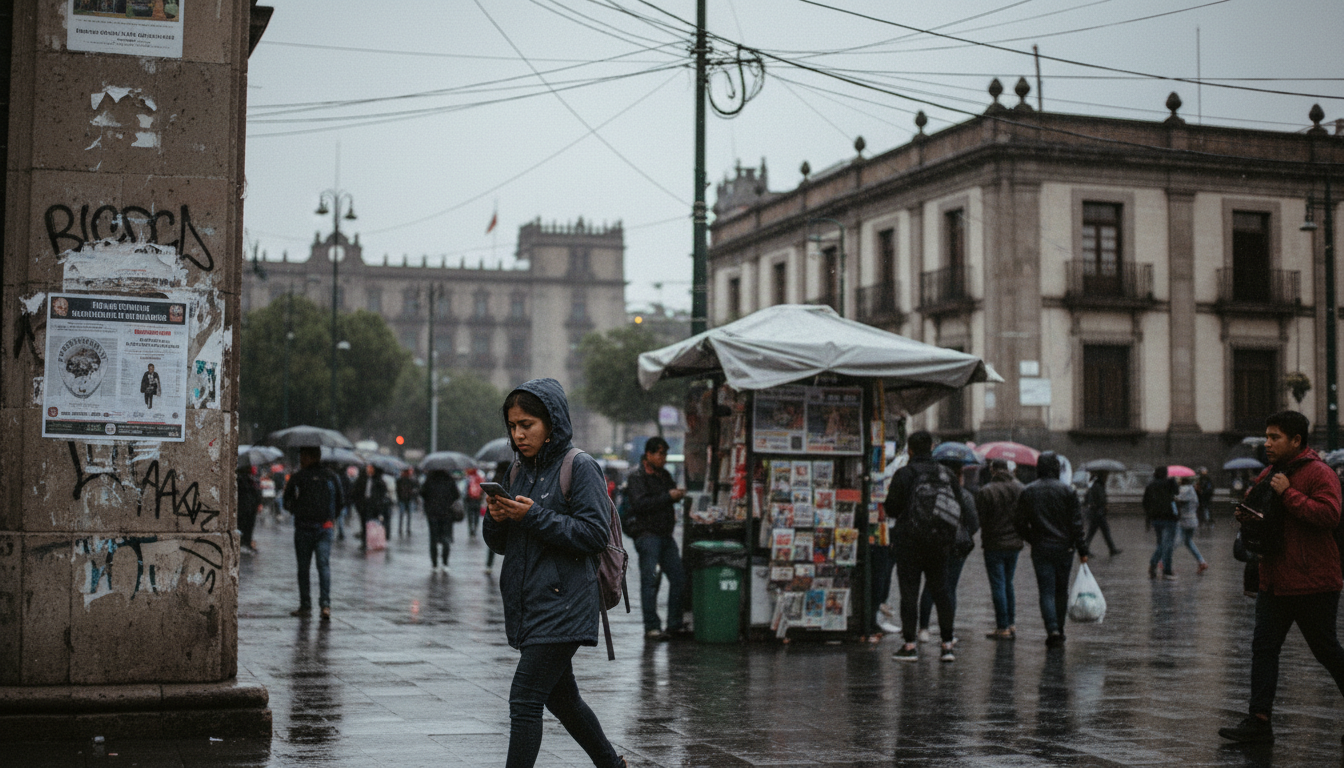
On October 2, Mexico’s president, Claudia Sheinbaum, announced intentions to tackle violent content online, a response to a school attack in Torreón the previous day. This incident, where a vice principal was killed and four others injured, including two teachers and a student, occurred as the nation marked the 58th anniversary of the Tlatelolco massacre.
The proposed government action extends beyond immediate reactions to a local tragedy. It reflects an evolving concern about how digital spaces influence public safety and social norms. In a world increasingly shaped by online interactions, the content freely shared on platforms can have tangible, sometimes violent, consequences.
While the impulse to curb such content is understandable, defining and enforcing "violent" content regulation presents a complex challenge. What constitutes incitement to violence versus protected expression, or even the reporting of violent events, is often ambiguous. The mechanisms for identifying, moderating, and removing problematic material at scale are also far from perfect, often relying on algorithms that can be both overzealous and insufficient.
This debate over content regulation is not confined to Mexico. From Bangkok to Seoul, governments grapple with the same questions. Some nations have opted for strict controls, citing national security or social harmony, while others prioritize open internet access and free speech. The specific context of the Torreón attack, coupled with the historical resonance of the Tlatelolco anniversary, adds a particular urgency to Mexico’s position. Yet, the fundamental tension remains: how to safeguard citizens without infringing on liberties, or creating tools that could be misused.
Furthermore, the focus on content often overlooks the underlying societal issues that might contribute to such incidents. Violence, whether online or offline, rarely stems from a single cause. Economic disparities, mental health challenges, or gaps in educational and social support systems often play a role. A purely reactive measure targeting online content may address symptoms without resolving deeper problems.
While Mexico’s declared intention is to enhance public safety, the practical implementation of social media regulation requires careful navigation to avoid unintended consequences. The balance between digital freedom and national security is a conversation many Pacific Rim nations are conducting, each searching for a framework that fits its unique social and political landscape.
Sources
Newsletter
Pacific Daily
A curated briefing from Thailand, Asia-Pacific and the world.