A Writer's Prize Against a Shifting Pacific Shoreline
The Carlos Fuentes award acknowledges a literary trajectory as the Mexican Pacific coast contends with persistent natural forces.
The Carlos Fuentes International Prize for Literary Creation has been awarded to Mexican writer Juan Villoro. The National Autonomous University of Mexico (UNAM) and Mexico’s Culture Ministry announced the unanimous decision to recognize Villoro for a body of work described as having "the breadth and scope" to encompass novels, essays, soccer writing, and children’s books. Gaceta UNAM cited his "mastery and rigor" across different genres, spanning themes from fear and violence to the road to Ayotzinapa.
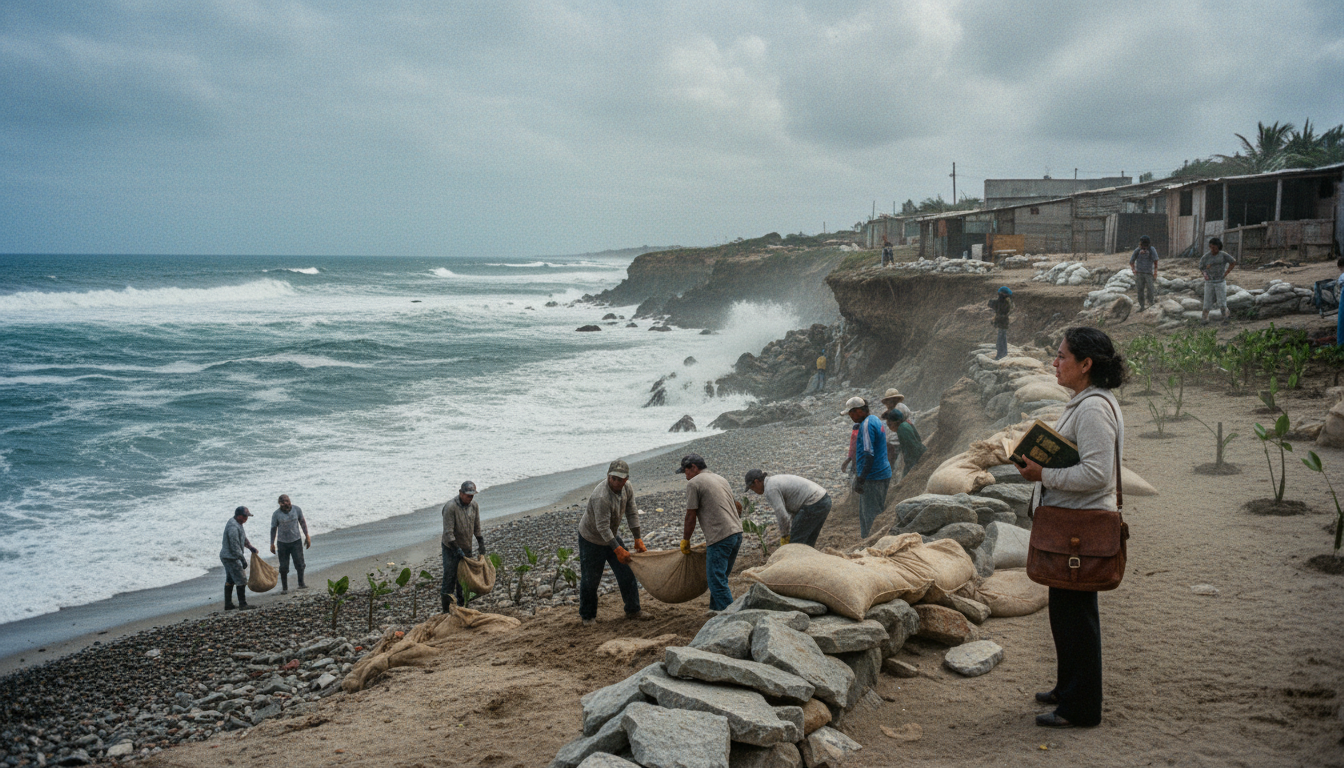
This recognition for a literary career happens as Mexico’s Pacific coast faces significant environmental events. Just days before the prize announcement, Hurricane Polo made landfall, bringing with it life-threatening winds and flooding. Weeks prior, Polo had intensified off the coast, described by Reuters as a "major hurricane" before the BBC reported its downgrade while noting it remained "very powerful." This event continues a pattern, as earlier in the year, Hurricane Erick slammed the Pacific Coast as a "powerful Cat 3 storm" in February. An earlier system, Priscilla, had neared Mexico's Baja peninsula as a weakened formation in October of the previous year.
The act of bestowing a major literary prize often encourages reflection on cultural contributions. Villoro’s achievement points to a consistent engagement with the nuances of Mexican life through varied forms of storytelling. However, the timing of this announcement alongside recurrent severe weather draws attention to a broader environmental context impacting the Pacific region. While the Fuentes prize celebrates human intellectual endeavor, the recurring hurricanes highlight the enduring and intensifying natural forces that shape the very landscapes and lives Villoro’s writing explores. The regular progression of powerful storms that alter coastal geographies becomes a tangible element, influencing daily existence for residents and the future prospects of their communities.
For readers across the Asia-Pacific, Mexico's Pacific coast presents a parallel to their own experiences with seasonal typhoons and the increasing intensity of weather phenomena. The recognition of Villoro's multifaceted writing—from precise observations of cultural moments to examinations of deeper societal undercurrents—gains additional meaning when considered against these environmental shifts. The prize, intended to propel Villoro towards his next book, marks a point of continuity in a landscape increasingly defined by disruption. How these profound changes to the physical environment will continue to inform the narratives emerging from this culturally rich region remains an open question.
Sources
Newsletter
Pacific Daily
A curated briefing from Thailand, Asia-Pacific and the world.