Crocodile Relocations Signal Operational Strain for Coastal Development
Puerto Vallarta's wildlife management challenges offer a cautionary tale for Asia-Pacific's rapid tourism expansion.
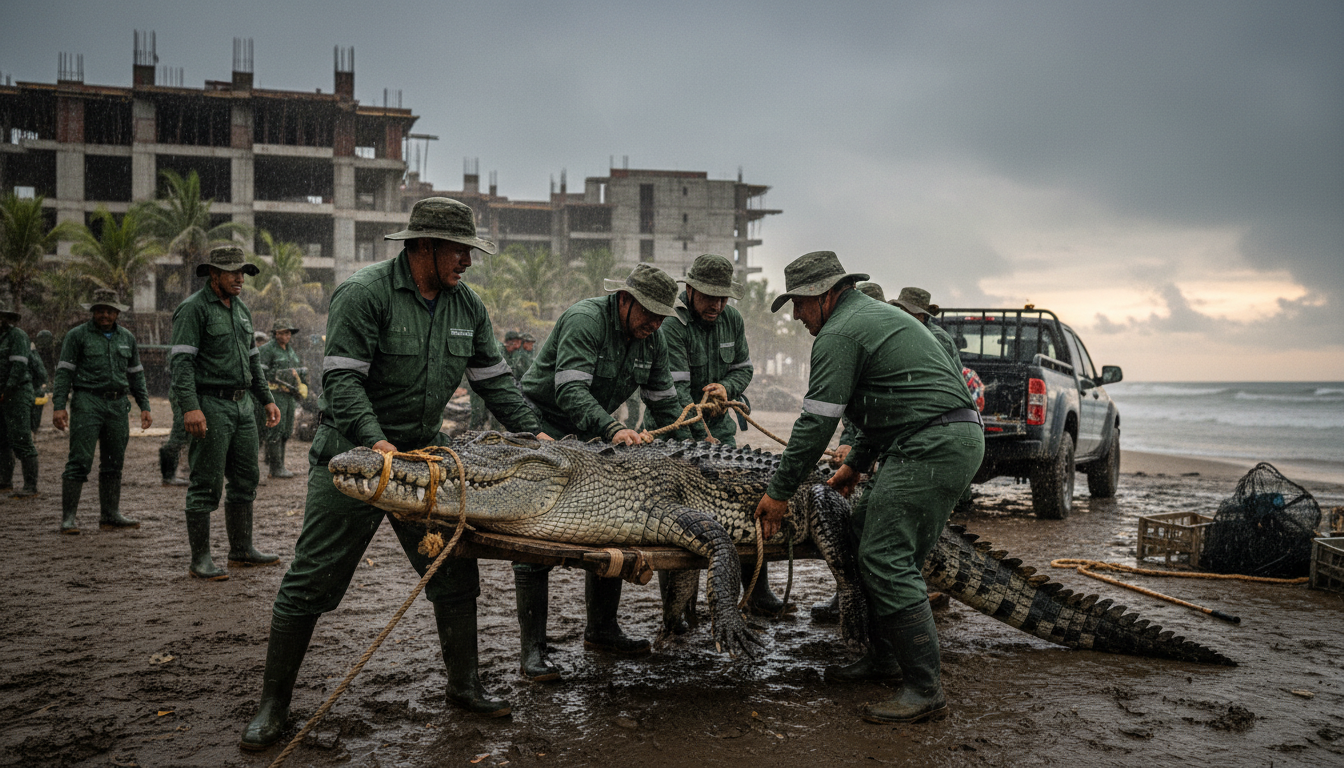
Puerto Vallarta faces a decision regarding crocodile relocation, a measure Jalisco state officials and Mexico’s Environment Ministry (Semarnat) scheduled a virtual meeting to discuss on 2026-09-17. This discussion follows weeks of increased crocodile sightings in the area. At least one person, a 28-year-old man, was killed by a crocodile in June near the Marriott Puerto Vallarta Resort and Spa, and 11 crocodiles have died, with a minimum of two deaths attributed to human actions.
Increased sightings and incidents occur as development expands, pushing homes, roads, hotels, and tourists into proximity with wetlands previously occupied by these animals. The proposed solution involves potentially moving some crocodiles to the Estero El Salado, a protected urban estuary. This response mechanism—relocation—addresses immediate threats but signals underlying operational challenges that fast-growing coastal regions, particularly in the Asia-Pacific, should observe.
When land-use changes displace wildlife from established habitats, the operational burden shifts. Hotels and tourist infrastructure, designed for guest experience, are not equipped to manage escalating human-wildlife conflict. The cost and complexity of regular wildlife monitoring, rapid response to sightings, and potential animal capture and relocation represent new, unscheduled operational expenses and risks. Puerto Vallarta’s situation, where a single fatal attack can severely impact tourism reputation and trigger costly interventions, highlights how quickly such issues can escalate.
The challenge is not confined to isolated incidents; it indicates a systemic pressure point. Mexico's Pacific coast has experienced significant environmental shifts, including powerful weather events such as Hurricane Lidia in 2023 and Tropical Storm Boris in 2026, which can further alter ecosystems and push wildlife into new territories. While not directly linked to crocodile behavior, these events underscore the dynamic environment coastal developments operate within. Furthermore, the region has faced security concerns, with International Business Times UK reporting on chaos in tourist hotspots like Puerto Vallarta in 2026 following the death of 'El Mencho'. These factors, alongside human-wildlife conflict, compound the operational environment for tourism and hospitality.
For the Asia-Pacific, where rapid coastal development often encroaches on marine and wetland ecosystems, the Puerto Vallarta case serves as a warning. Relying on relocation as a primary strategy can be short-sighted. Each move introduces new variables—the receiving ecosystem's capacity, the moved animals' adaptability, and the potential for new conflicts. The real challenge lies in designing growth that anticipates and mitigates these interactions at the outset. Without this proactive approach, the operational demands of coexistence will only intensify, risking both human safety and the very ecosystems that draw visitors. The outcome now depends on whether a relocation plan addresses only symptoms or informs a more robust, integrated approach to development and conservation.
Sources
Newsletter
Pacific Daily
A curated briefing from Thailand, Asia-Pacific and the world.