The Margin of Quality: A Local Feed Dispute's Global Echoes
A provincial legal dispute over animal feed quality exposes the fragility of agricultural supply chains, a concern that directly affects food security and culinary standards in Thailand and across the Asia-Pacific.
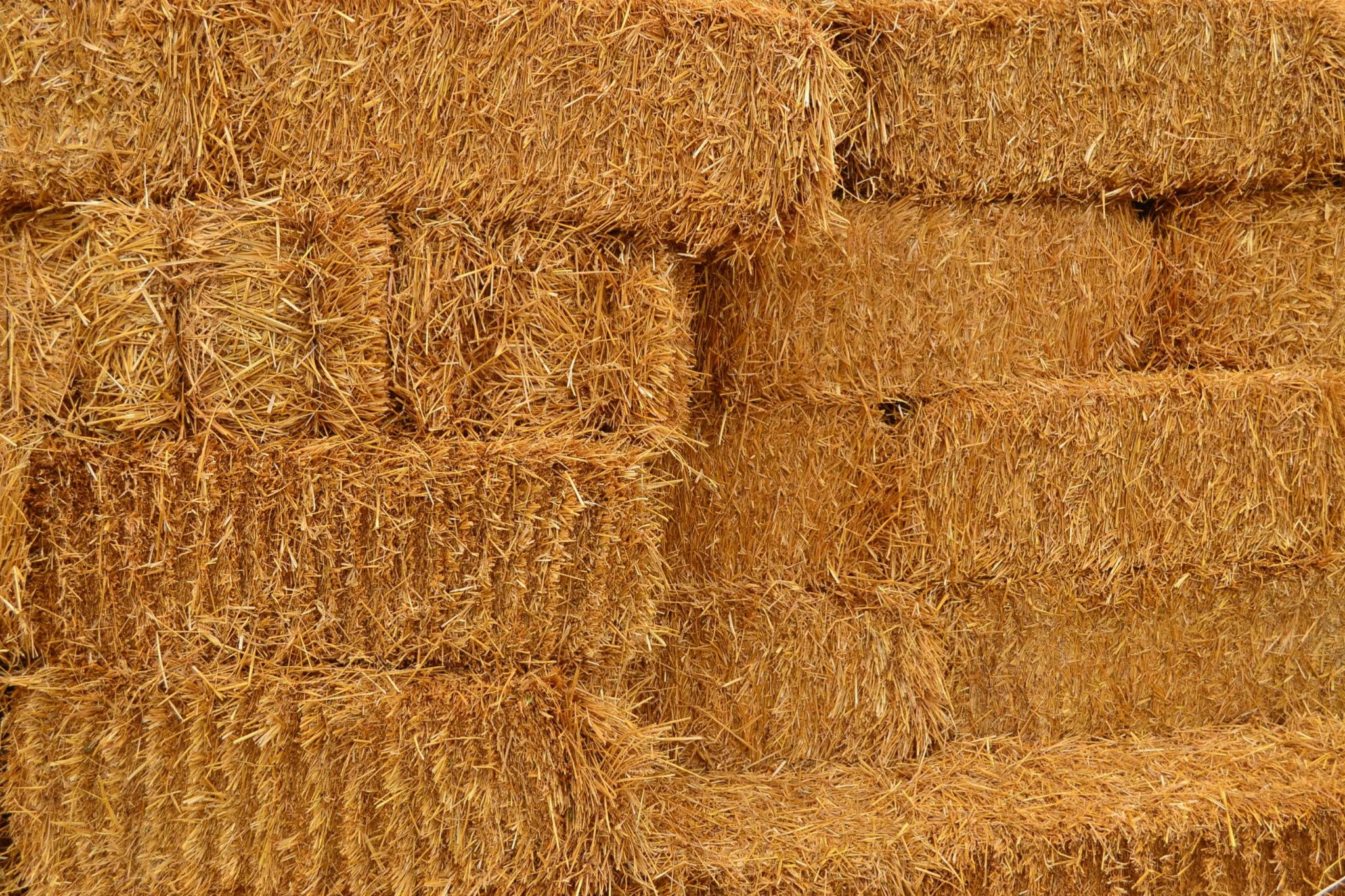
A civil dispute adjudicated in the BC Civil Resolution Tribunal, reported on September 22, 2026, concerns a claim for $4,419 in damages related to hay. The applicant alleged that 1,200-pound bales purchased were “generally unsuitable” due to dust and mould. This amount, covering the cost of the hay and the rental of a forklift for its movement, represents a tangible economic loss stemming from a quality issue.
This incident, though localized to an equestrian facility, offers a stark illustration for the Asia-Pacific region. In June 2024, an invoice indicated 10 bales delivered for $4,066 with tax, paid via e-transfer. The facility maintained that the hay was fine, suggesting a fundamental disagreement on the product’s condition upon delivery. For a critic focused on the plate, the concern starts much earlier: the integrity of raw ingredients. The journey from field to final consumer, or in this case, to animal consumption, is fraught with potential points of failure that can compromise quality.
For agricultural products, particularly those with specific storage or freshness requirements, the transition from advertisement to delivered goods is critical. The applicant saw an advertisement for 1,200-pound bales. This initial representation sets an expectation that, if unmet, triggers financial and legal repercussions. The question for any market, from local produce stalls in Bangkok to international distributors, is whether the promised quality survives the supply chain. The European Union, for instance, in June 2025, discussed a Pacific alliance, with officials stating it would not replace the WTO. This suggests complex trade frameworks exist, but individual quality disputes persist at the micro-level, irrespective of broad trade agreements.
The economic ramifications of even small-scale agricultural disputes underscore the need for robust verification throughout the supply chain.
The context for Thailand and the wider Pacific Rim is complex. Typhoons and tropical storms frequently affect the region, as evidenced by Tropical Storm Boris making landfall in Mexico in June 2026 and Hurricane Erick slamming Mexico’s Pacific Coast in February 2026. Such climatic events pose significant challenges to agricultural production, harvest, storage, and transport, creating conditions ripe for quality degradation if not managed meticulously. The sheer scale and variability of agricultural output, combined with the often-long distances between production and consumption, necessitate a stringent approach to quality control.
While the equestrian facility’s assertion that its hay was acceptable represents a direct counter to the applicant’s claim, the very existence of such a dispute highlights a breakdown in a basic expectation of commerce: that goods will be fit for purpose. For Thailand’s food industry, relying heavily on both domestic and imported agricultural products, this small case is a reminder that the path to a high-quality product is paved with consistent adherence to standards, from the producer's field to the final point of use. The financial implications are immediate, but the reputational costs of such failures in quality can be far more enduring.
Sources
Newsletter
Pacific Daily
A curated briefing from Thailand, Asia-Pacific and the world.