Fermentation's Future: Non-Alcoholic Beer and Shifting Habits in Asia-Pacific
The rising acceptance of alcohol-free beer, even at Oktoberfest, signals a deeper transformation in consumer preferences. This shift carries implications for established beverage markets across the region.
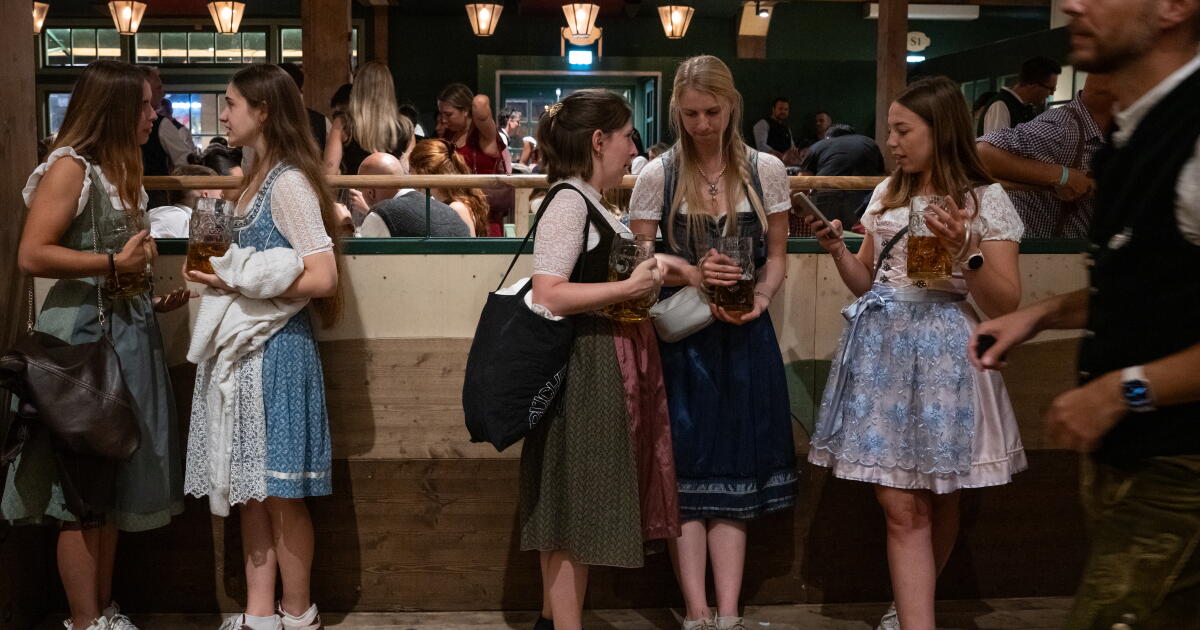
Oktoberfest, long synonymous with robust beer consumption, is experiencing a subtle redefinition. Reports from Munich indicate nonalcoholic beer is gaining significant ground at the festival. This change is not merely a passing trend, but reflects a broader movement towards health consciousness, influencing even deeply ingrained cultural practices.
For the Asia-Pacific region, where beverage markets are diverse and often anchored by local traditions, this development warrants scrutiny. While the exact scale of nonalcoholic beer's growth in Munich is specific to its context, the underlying reasons for its rising popularity – improved taste and consumer health awareness – are universal. Previously, nonalcoholic options were often regarded as inferior in flavor, a perception that appears to be dissipating.
In Thailand, for instance, beer holds a substantial share of the beverage landscape. If consumers begin to prioritize health or seek moderation without abandoning the ritual of drinking beer, the availability and quality of nonalcoholic alternatives become critical. This shift could impact local breweries and importers, prompting investments in new production lines or sourcing agreements for alcohol-free varieties.
A counterargument, however, exists. The communal aspect of drinking, particularly in social settings, often involves alcohol as a central component. The social acceptance of nonalcoholic beer, while growing in places like Oktoberfest, might encounter different resistance in other cultural contexts. The tradition of consuming alcoholic beverages is deeply interwoven with social dynamics and celebratory events in many parts of Asia. Adopting alcohol-free alternatives requires more than just taste improvement; it necessitates a change in social perception and consumer habit.
The real technique being applied by brewers is a refinement in the brewing process itself, allowing for the removal of alcohol while preserving complex flavors. This technical advancement fuels the improved taste attributed to contemporary nonalcoholic beers. The cost to sustain this often involves specialized equipment and expertise in fermentation control.
Implications extend beyond beer. If consumers are increasingly willing to choose nonalcoholic options in traditional settings, it suggests a broader willingness to re-evaluate consumption habits across the entire beverage sector. For companies operating in the Asia-Pacific, adapting to this evolving preference means understanding both the technical advancements in production and the social nuances of adoption. The challenge remains to integrate these products seamlessly into existing social frameworks without alienating traditional preferences.
Sources
Newsletter
Pacific Daily
A curated briefing from Thailand, Asia-Pacific and the world.