NAYU NESTA: A Taste of Home in a Cup of Matcha
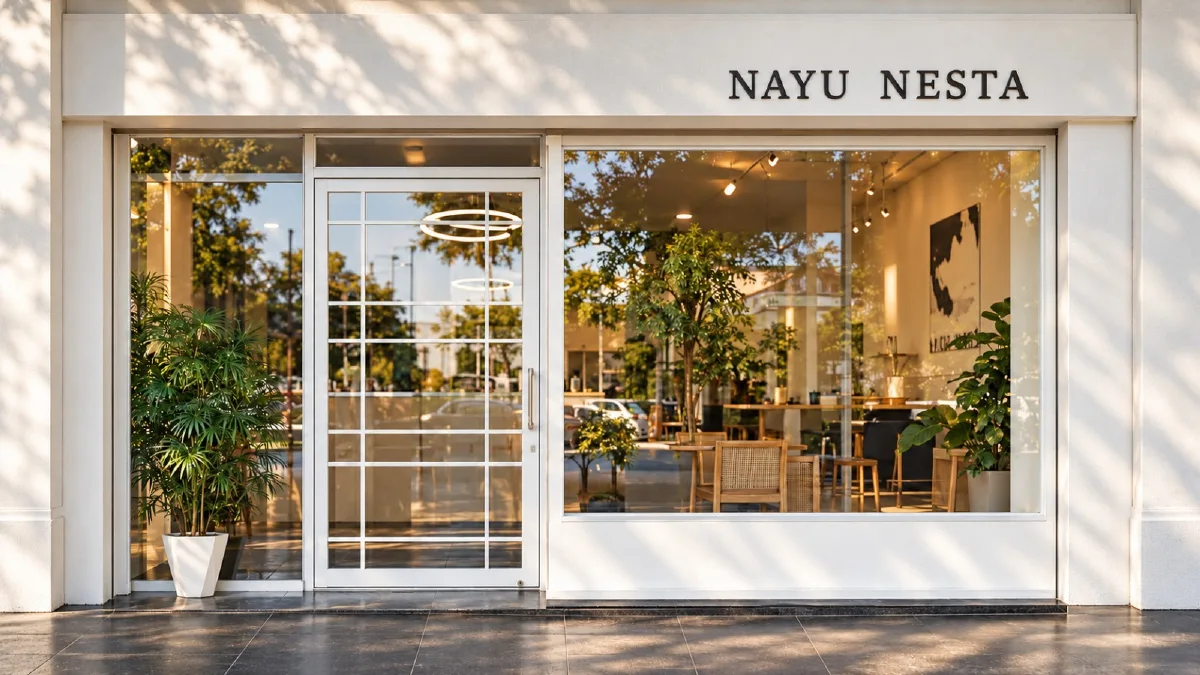
In Yala, Madam Inda, a former food-science lecturer brings Japanese tea into conversation with her Malay heritage—and the life she and her husband chose to build back home.
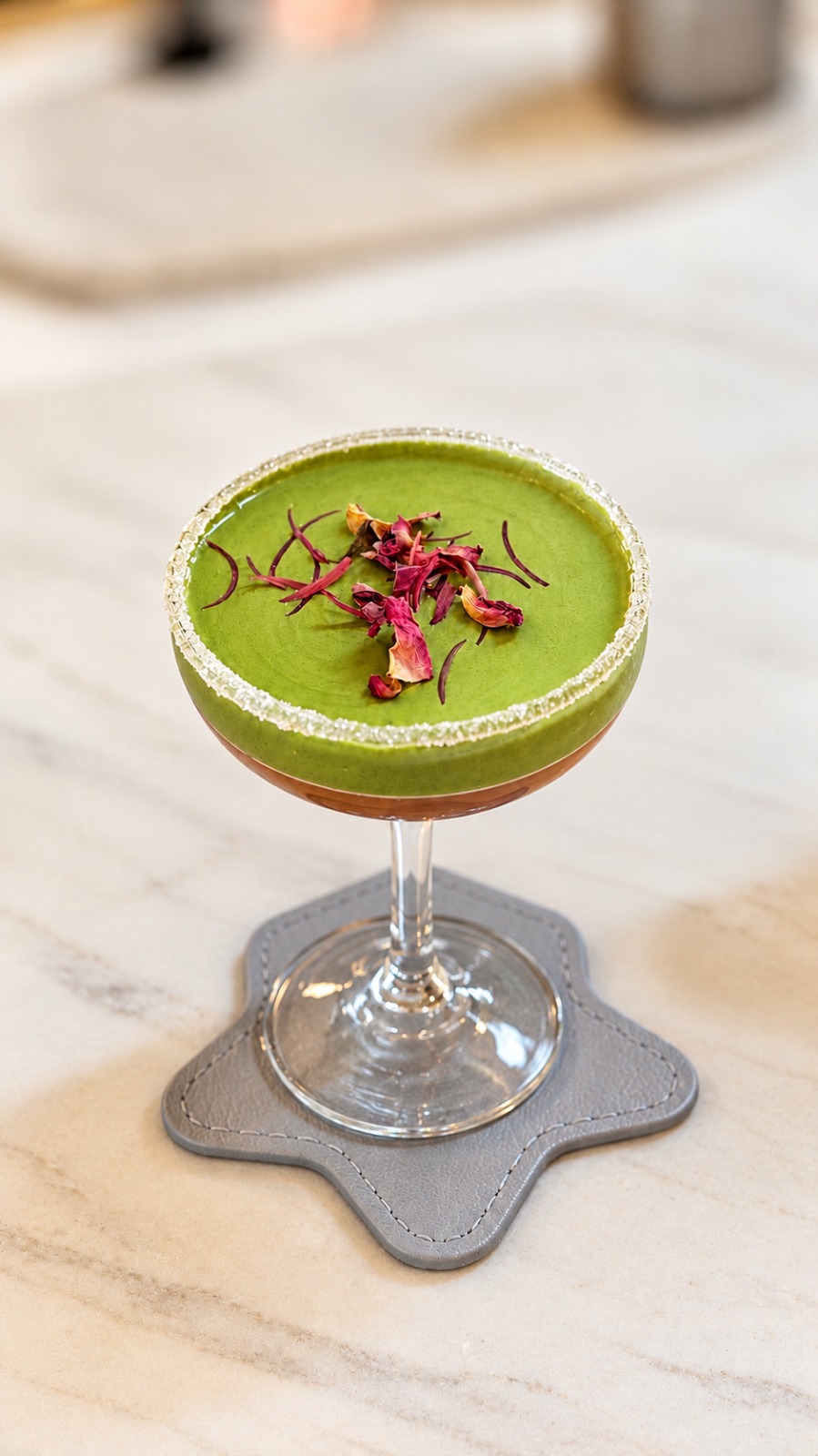
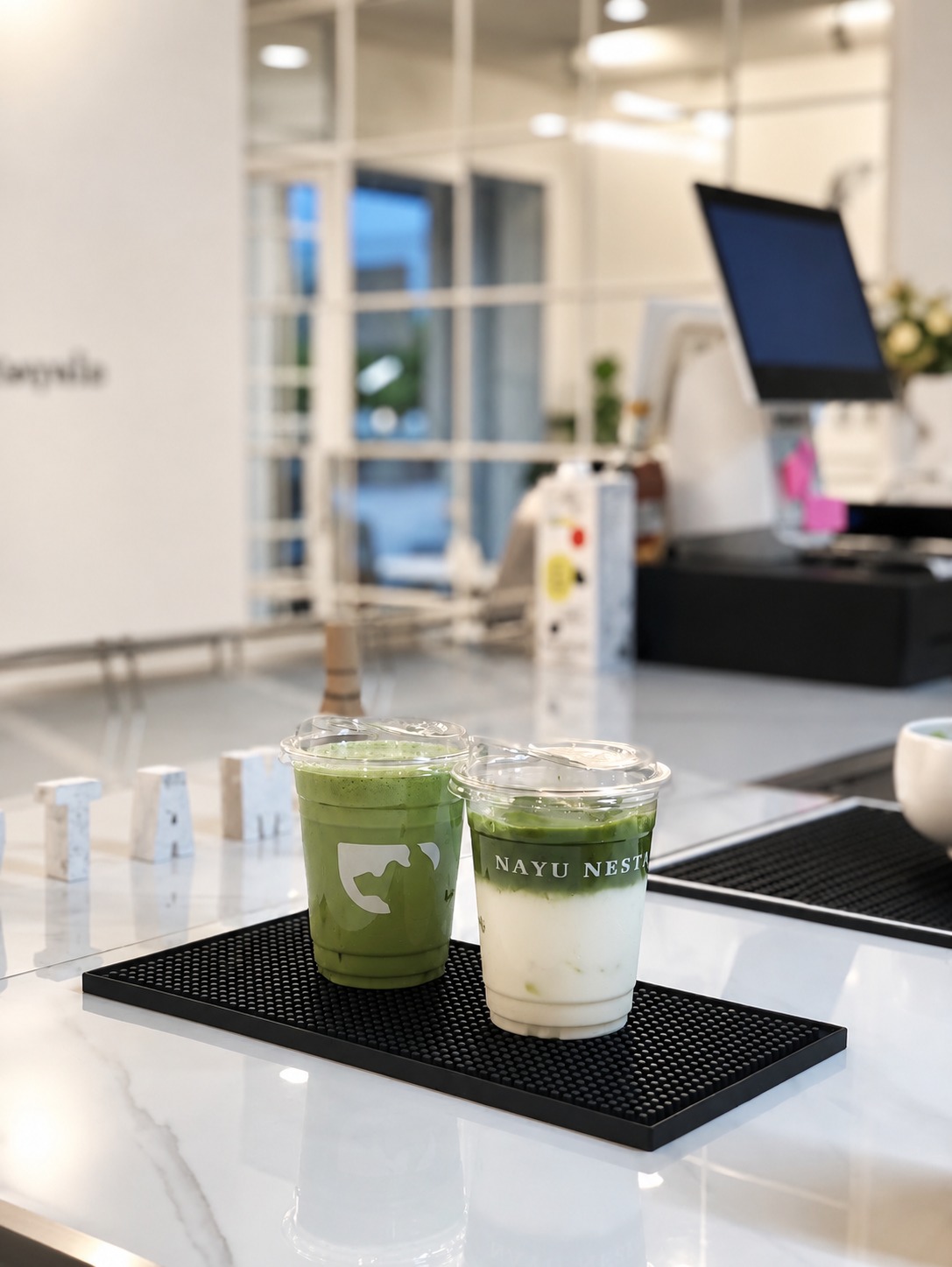
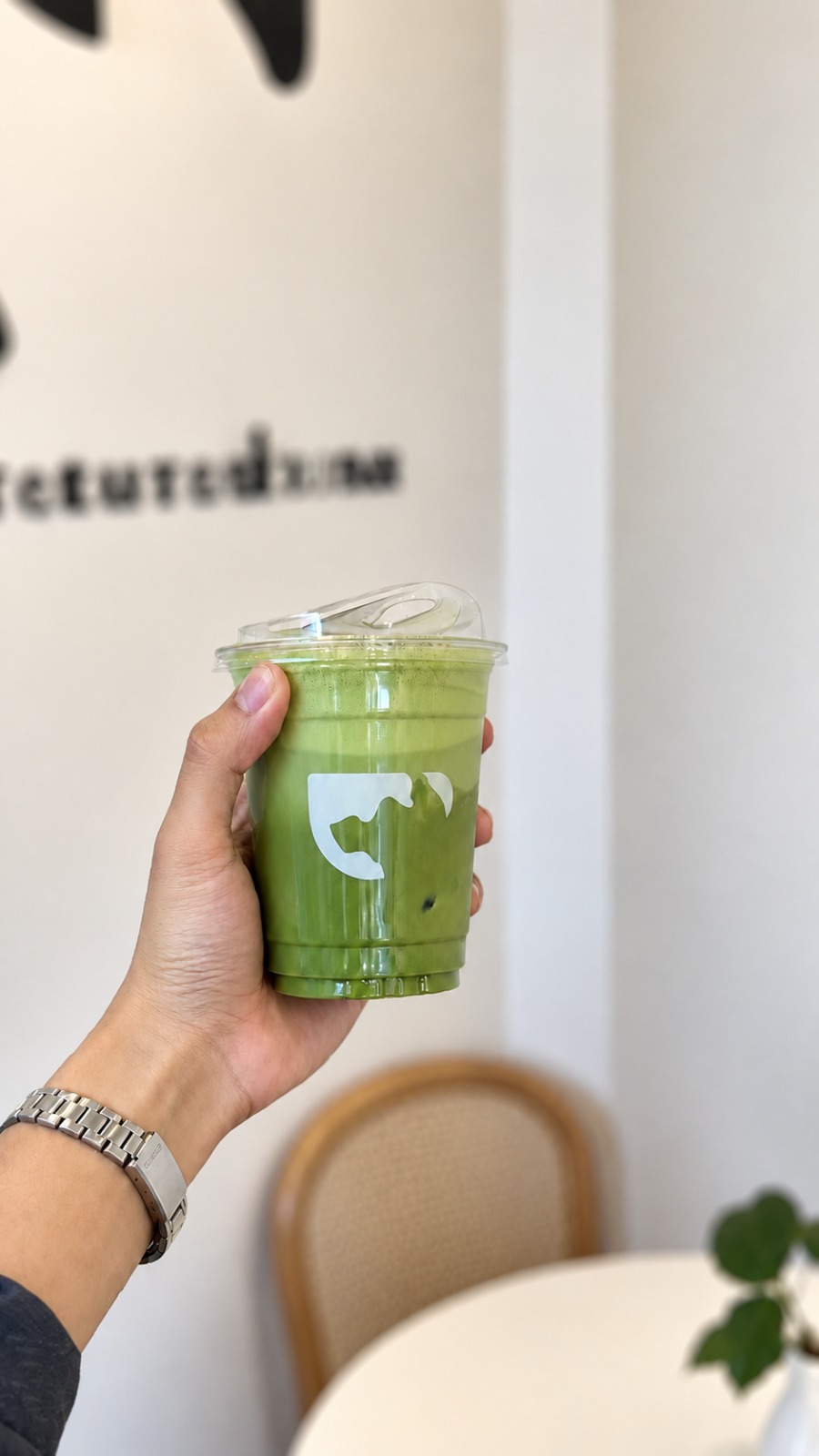
The story of NAYU NESTA comes into focus in a glass of Beautiful Nesta. Beneath a soft layer of matcha foam sits an amber-coloured base flavoured with torch ginger syrup. A torch ginger flower rises above the green, its vivid pink lending the drink a sculptural quality.
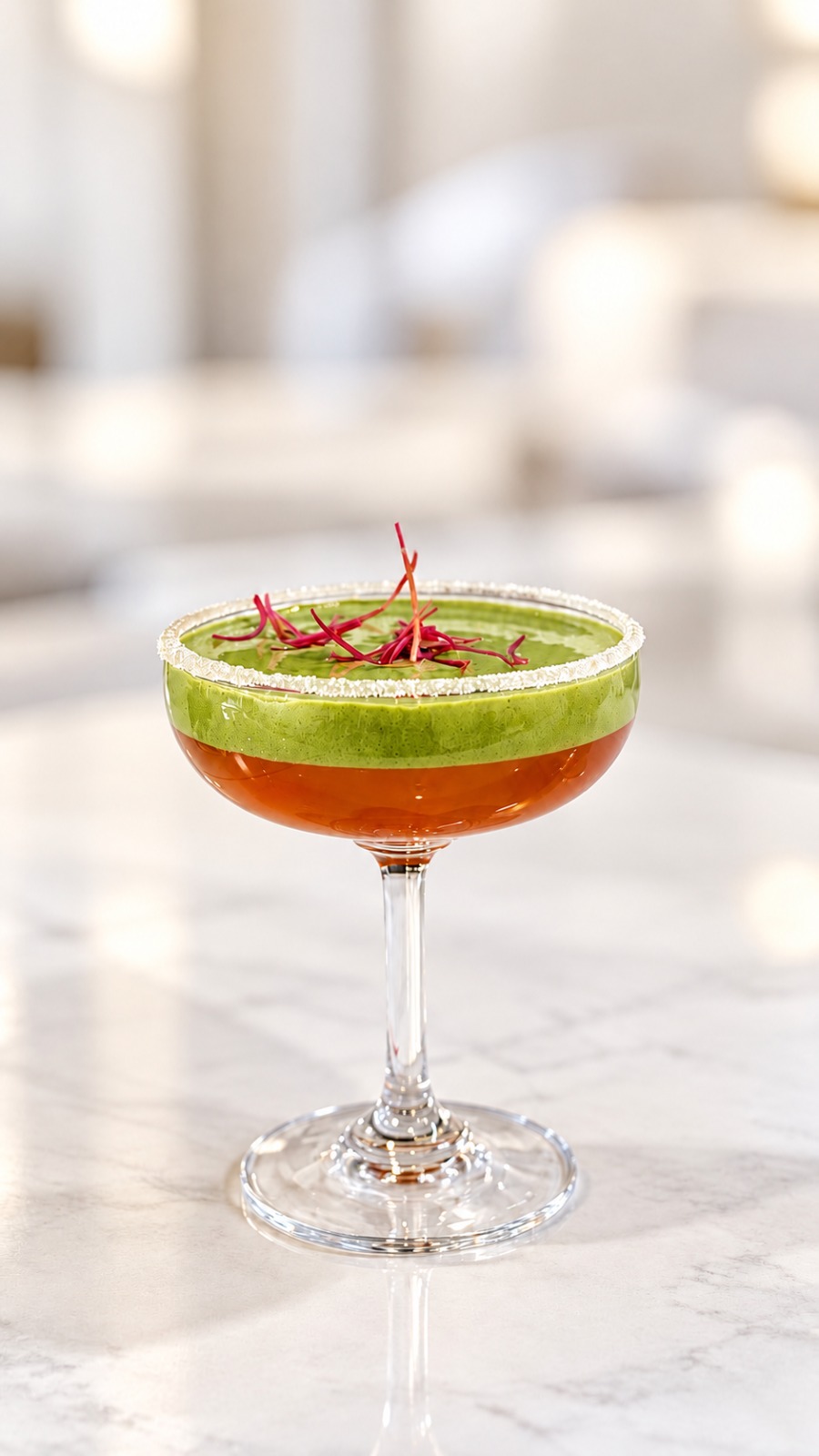
It is a beautiful composition, but its meaning is personal. For the founder, the green evokes the forests of Bannang Sata, her home district in Thailand’s southern province of Yala. The flower, known locally as dok dahla, belongs to that landscape. She imagines it as a jewel nestled among the trees.
The tasting notes are equally layered: sweetness and a little tartness from the base, matcha foam above, and a gentle tingling sensation from the coated rim. Each element draws attention to a different part of the drink. Together, they give an idea of home a flavour, a colour and a form.
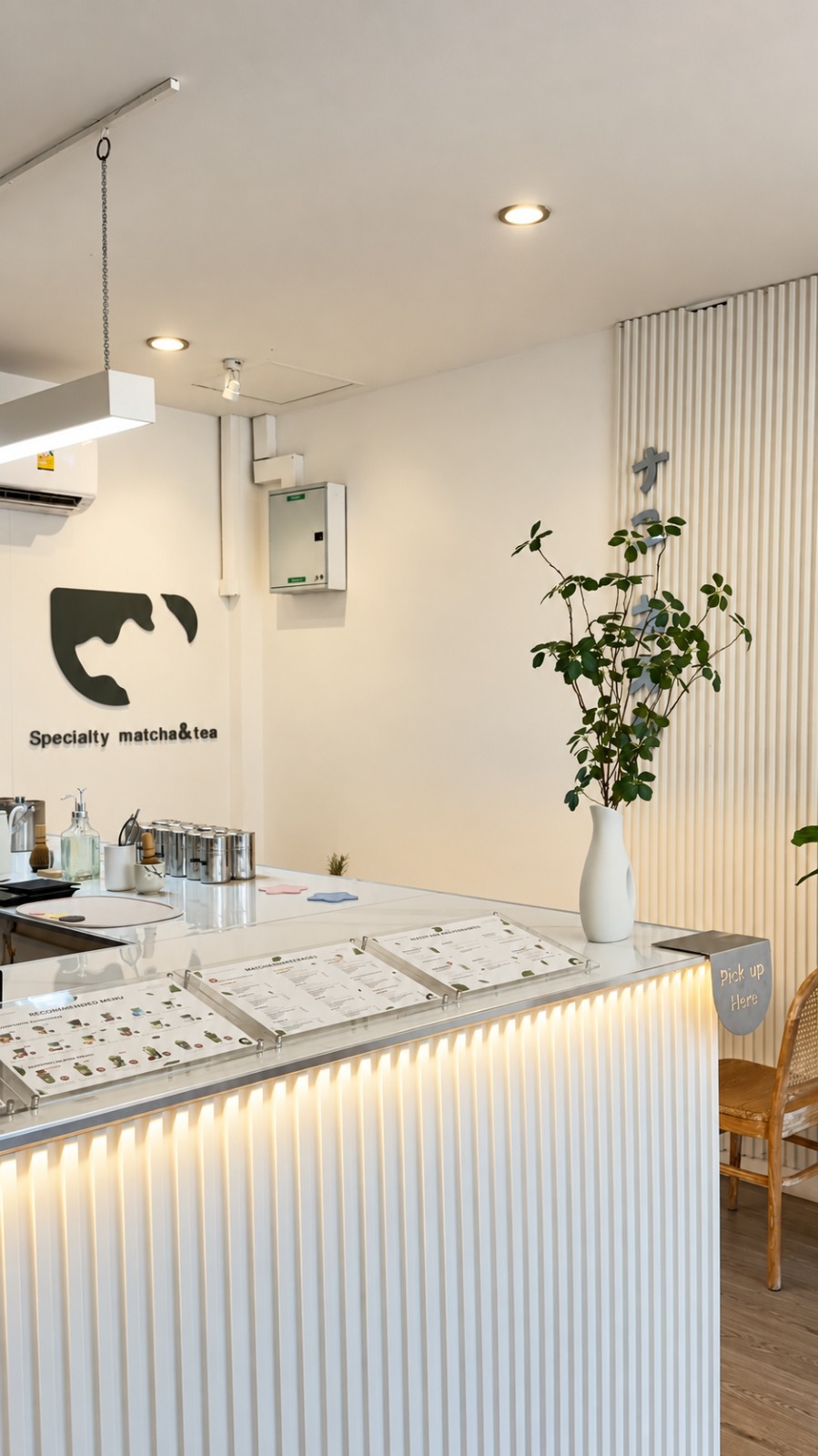
That connection runs through the entire tea space. “Nayu” refers to the founder’s Malay cultural identity, while “Nesta” draws on Bannang Sata. Even the logo takes its shape from the district’s outline. Japanese matcha may be the medium, but the story being told is rooted in southern Thailand.
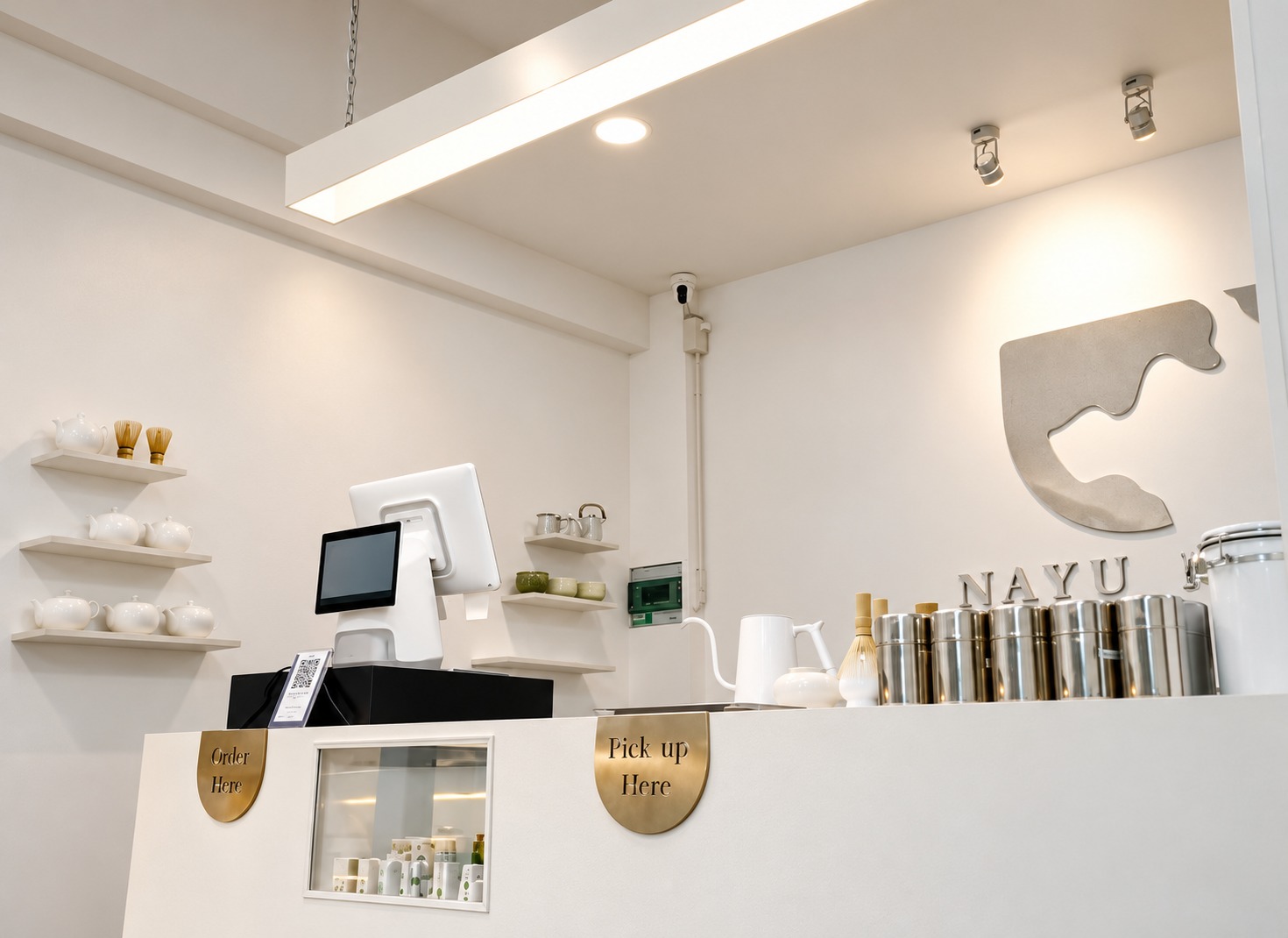
Inside the shop on Siroros Road, a predominantly white palette provides a quiet setting for those details. A polished silver sign, reflective surfaces and carefully chosen furniture give the room its composed character. The founder was closely involved in selecting the materials, flooring and decorative elements. There is a continuity between how she approaches the space and how she approaches a drink: small decisions accumulate into an experience.

Her attention to ingredients began long before NAYU NESTA. A former lecturer at Yala Rajabhat University with a background in food science, she brings both curiosity and discipline to the way she works.
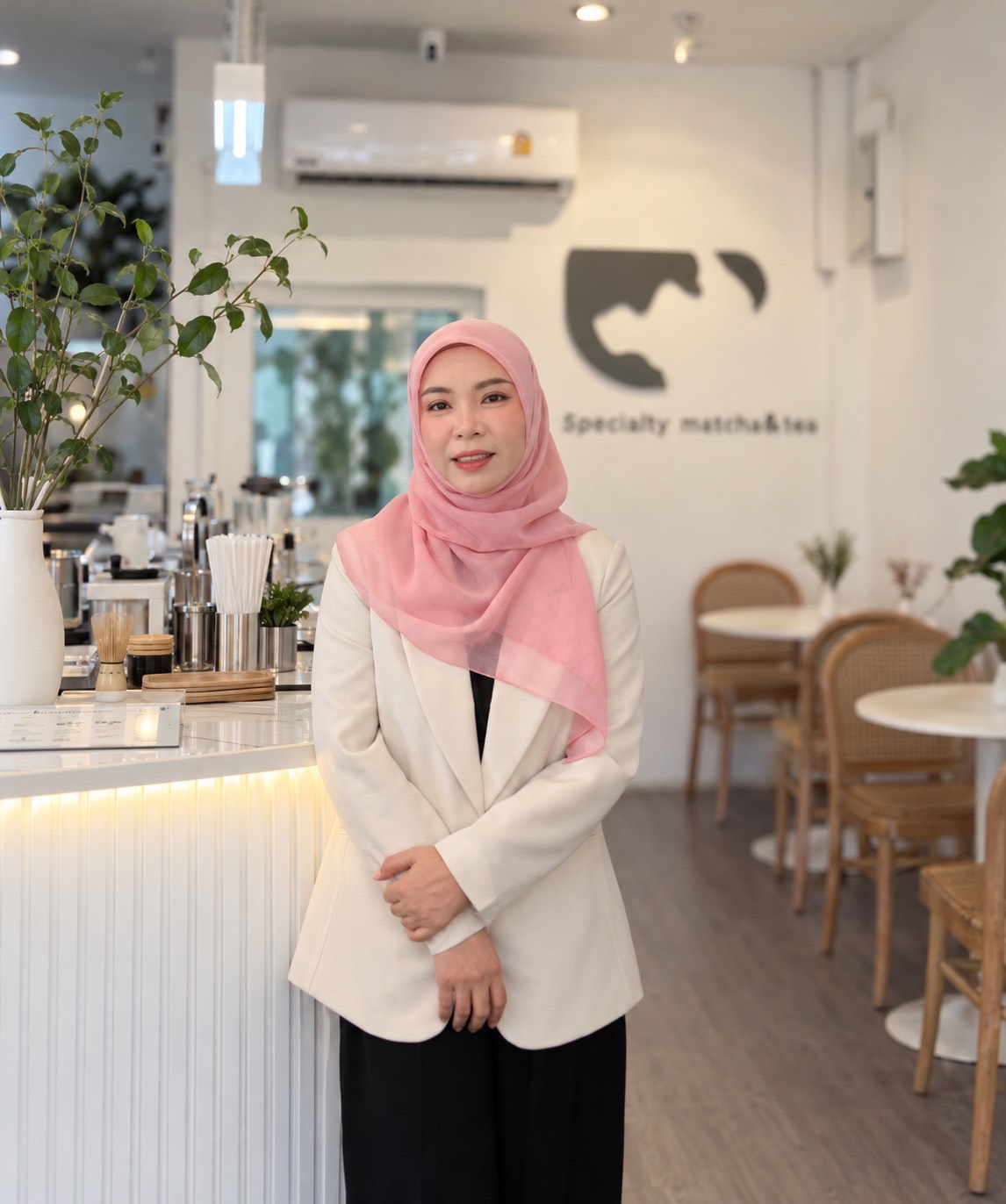
She once preferred coffee. Her interest in matcha developed gradually, through years of tasting and comparing teas. As she explored different origins, aromas and textures, familiar green-tea drinks opened into a much wider world.
An earlier venture serving health-conscious food gave her room to experiment. Matcha paired with almond, oat or pistachio milk could become a noticeably different drink. Changing one ingredient altered the balance, texture and character of the tea. Those experiments encouraged her to look more closely at preparation—and at how much there was still to learn.
When she considered opening a dedicated matcha shop in Yala, her husband wondered whether there would be enough demand. Her response was grounded in a simple conviction: if she cared so much about this drink, there might be other people who felt the same.
The first shop opened behind Yala Rajabhat University around 2021. In the beginning, explaining the tea was part of serving it. Customers who were familiar with sweet green-tea drinks were introduced to different matchas, milk combinations and flavour profiles. The business grew through these everyday exchanges.
Progress took time. During the early years, much of the income went straight back into wages, rent and utilities. A later move to the present location brought higher costs, but also more customers and a stronger footing.
Behind that growth is a considerable amount of work that a customer may never see.
Every new delivery of matcha is checked against the tea originally approved. The team examines its colour, smells the powder, prepares it and tastes it. Some assessments are repeated five or six times; others may require ten attempts or more before the founder is satisfied.
Her food-science background is evident in the questions she asks. Does this batch behave as expected? Has the aroma changed? Is there an unfamiliar astringency? Can the team reproduce the intended flavour consistently?
A popular name alone is never enough. If a batch falls below the shop’s standards, she would rather pause the drink or find a suitable alternative. Staff training carries the same emphasis: understanding what the tea should taste like matters as much as following the steps used to make it.
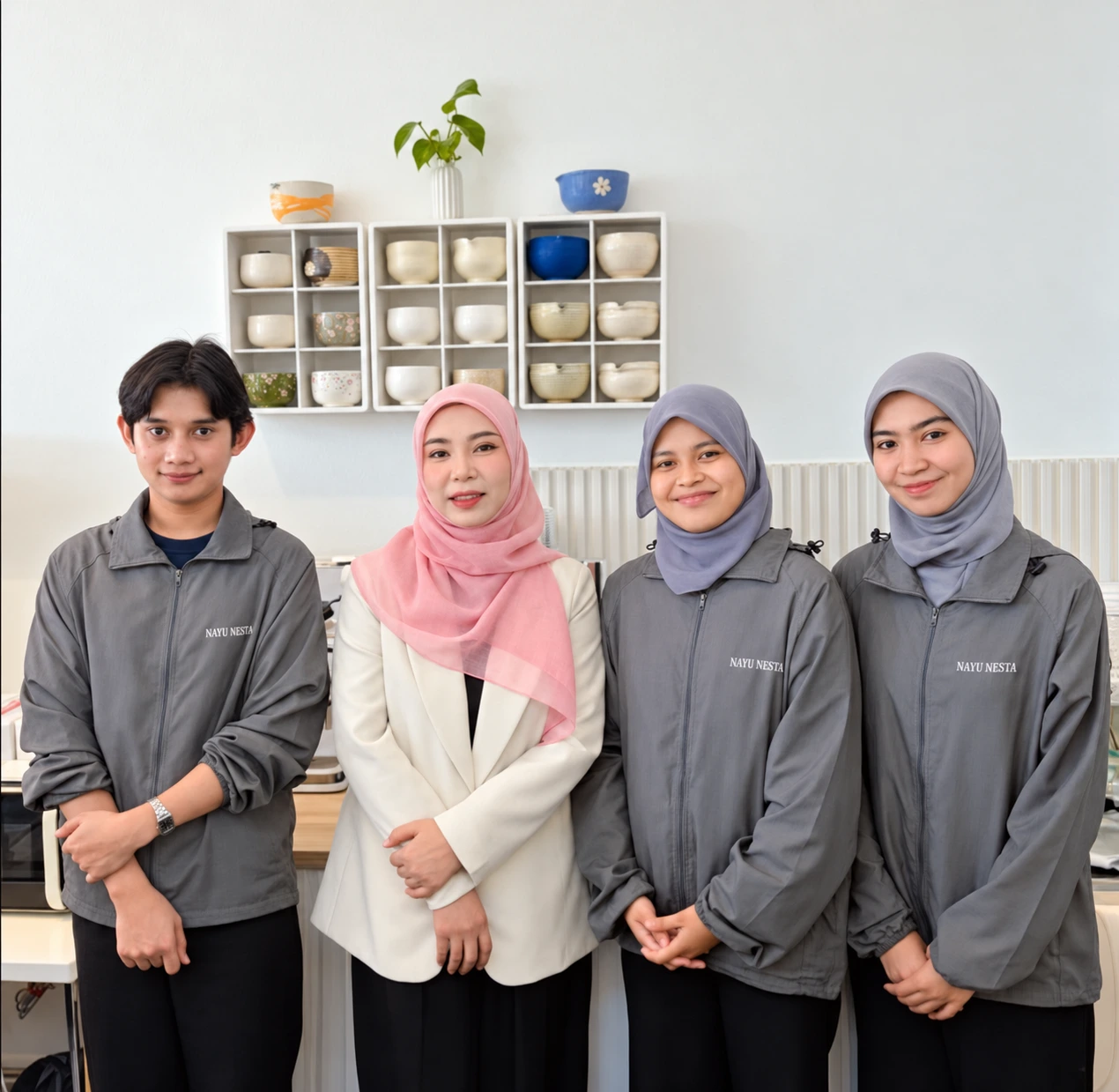
That care leaves room for individual preference. Although she has seen growing enthusiasm for matcha with nutty notes, she does not treat one flavour profile as the definition of good tea. Different drinkers respond to different aromas, textures and finishes. Part of the pleasure is discovering what appeals to you.
She hopes to make that discovery more accessible through future cupping and whisking sessions. The idea is to give beginners and local drink vendors a chance to taste different teas, practise preparation and develop confidence in their own judgement. Teaching remains an important part of her life; the classroom has simply expanded to include the tea counter.
Accessibility also shapes the menu. Alongside more specialised selections, she has made room for drinks priced below 100 baht, with students and regular local customers in mind. She wants good matcha to fit into everyday life.

An even more affordable concept has been considered, but the ingredient costs and quality have yet to align. For now, she is willing to let the idea wait. Growth has to make sense both in the cup and for the people preparing it.
To understand that patience, it helps to look beyond the business.
Before returning south, the founder and her husband worked demanding jobs in Bangkok. Some evenings, they did not get home until around ten. They were earning a living, yet sharing too little of it.
Moving back to Bannang Sata gave them the opportunity to spend more time together, cultivate land and develop businesses closer to home. Farming reinforced their awareness of the care required before food ever reaches a customer. Building a business together also gave them a chance to decide what kind of working life they wanted.
Income matters. So do the hours left at the end of the day.
Her husband speaks of a simple life, time with family and a business that supports their happiness. The founder finds her own joy in matcha—in tasting it, understanding it and sharing it. Their ambitions are shaped by a sense of what is enough, and by a reluctance to lose the life they returned home to create.
Beautiful Nesta gathers those ideas into one glass. Japanese tea meets a flower associated with a southern Thai landscape. The founder’s knowledge meets her memory of home. Something carefully developed becomes something a guest can simply enjoy.
At NAYU NESTA, that is where the experience becomes most compelling: in the connection between the drink in front of you and the people, place and choices that brought it to the table.
- -
Contact NAYU NESTA
NAYU NESTA Tea Space & Studio | Mueang Yala, Thailand
Facebook : https://shorturl.at/c50Il
Google Maps : https://shorturl.at/qiiEW
Newsletter
Pacific Daily
A curated briefing from Thailand, Asia-Pacific and the world.