Robots in the Ramen Shop: How AI is Reshaping Tokyo's High-Volume Kitchens
From automated noodle stations to AI-powered inventory, technology is driving efficiency and redefining culinary careers in the world's most competitive food city.
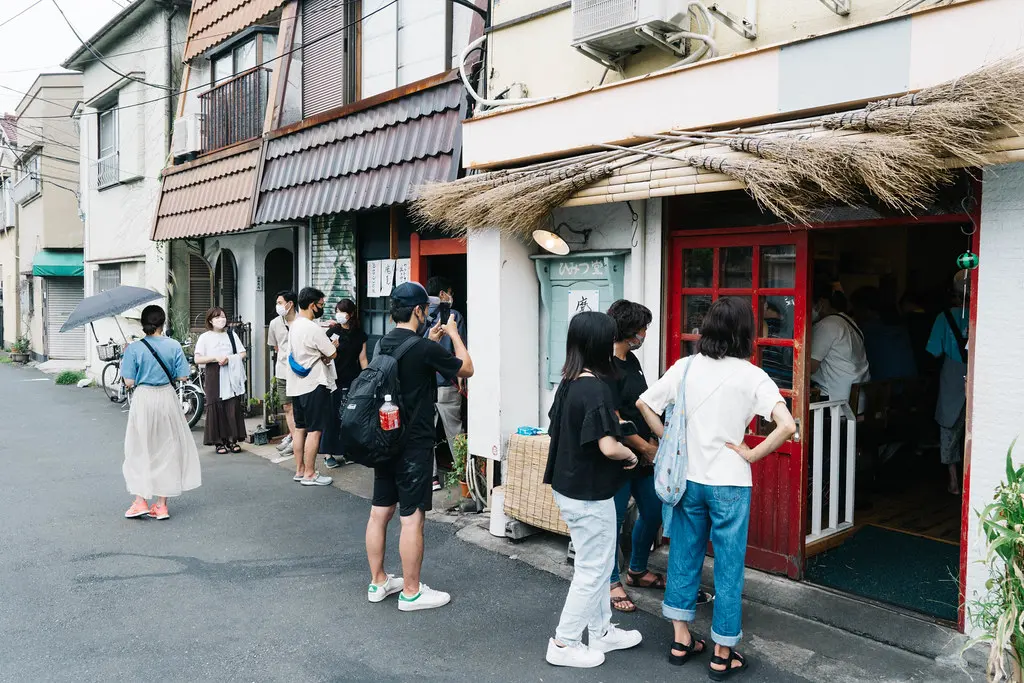
TOKYO
The rhythmic clatter of woks, the sizzle of searing meat, the urgent shouts of 'Irasshaimase!' – these are the indelible sounds of Tokyo's bustling food scene. But alongside them, a new hum has joined the symphony: the whir of robotic arms and the silent processing of artificial intelligence. In a city where speed, consistency, and volume are paramount, especially in its high-traffic, quick-service establishments, AI and robotics are no longer futuristic concepts; they are operational realities.
My recent visit to 'Ramen Kobo' in Shinjuku, a chain known for its consistent tonkotsu broth and rapid service, offered a tangible glimpse. Behind the counter, a gleaming stainless-steel arm meticulously portioned noodles into boiling water, swirled them with practiced precision, and drained them into waiting bowls. A human chef, previously responsible for this repetitive, scorching task, now focused on the delicate art of broth seasoning and chashu arrangement, tasks that demand nuance and experience. This particular robot, manufactured by a Japanese firm I've been tracking, 'TechCook Solutions,' can prepare 150 bowls per hour, a staggering increase in throughput for a single station.
This isn't just about replacing hands; it's about optimizing entire workflows. At 'Sushiro' – one of Japan’s largest conveyor-belt sushi chains – AI algorithms are now predicting demand for specific sushi types based on real-time factors like weather, time of day, and even local event schedules. This allows for hyper-efficient production, minimizing waste and ensuring a fresh, consistent supply on the belt. I spoke with Kenji Tanaka, a shift manager at their Shibuya outlet, who observed, "Before, we relied heavily on intuition and experience. Now, the AI tells us exactly how many maguro or salmon nigiri to prepare. It frees up our chefs to focus on quality and new menu development, rather than constant inventory guessing." He recounted how this system had cut their food waste by an estimated 18% in the past year alone – a significant saving in a business with razor-thin margins.
The impact on job roles is perhaps the most nuanced. While early reports from some Western publications often sensationalize job displacement, my observations here in Tokyo suggest a more evolutionary shift. The mundane, repetitive tasks – noodle boiling, rice shaping, simple frying – are indeed being automated. However, this isn't leading to empty kitchens. Instead, it's elevating the human role. Chefs are transitioning from 'doers' to 'overseers,' 'innovators,' and 'maintainers.' They are needed to program and monitor the robots, to troubleshoot technical issues, and crucially, to maintain the human touch and creativity that no machine can replicate. The culinary artist's role is not diminished but amplified, pushing them to focus on complex flavor profiles, presentation, and bespoke customer experiences.
The Efficiency Dividend
Efficiency gains are undeniable. Labor shortages, particularly in high-volume F&B, are a persistent challenge in Japan's aging society. Robotics and AI offer a vital solution. Beyond direct labor cost savings, which can be substantial, there's the benefit of consistency. A robot doesn't have an off day; it delivers the same precise portion, the same cooking time, every single time. This consistency is a cornerstone of brand loyalty in competitive markets like Tokyo. Furthermore, the data generated by these systems – on production rates, ingredient usage, even equipment performance – provides invaluable insights for operational improvements.
Evolving Skillsets
This technological shift necessitates a re-evaluation of required skillsets. Future kitchen staff will need to be as comfortable with a tablet and diagnostic software as they are with a chef's knife. Culinary schools are already adapting, incorporating modules on automation management and data analytics into their curricula. The 'chef of tomorrow' in Tokyo will likely be a hybrid professional: part culinarian, part technologist. This evolving landscape isn't about kitchens devoid of human artistry, but rather ones where technology empowers that artistry to reach new heights of efficiency and innovation. The essence of Japanese hospitality – omotenashi – remains firmly in human hands, while the grunt work moves to silicon and steel.
"The robots handle the volume, so we can focus on the heart of the dish. It’s not replacing us; it’s refining us." - Chef Akira Saito, formerly of a high-volume ramen chain, now a consultant for kitchen automation.
Newsletter
Pacific Daily
A curated briefing from Thailand, Asia-Pacific and the world.