The Margin of Safety: Re-evaluating Urban Planning for the Asia-Pacific
Road deaths, often framed as inevitable outcomes of individual error, are instead revealing the structural weaknesses in urban design. This has significant implications for how Asian megacities plan for future growth and public well-being.
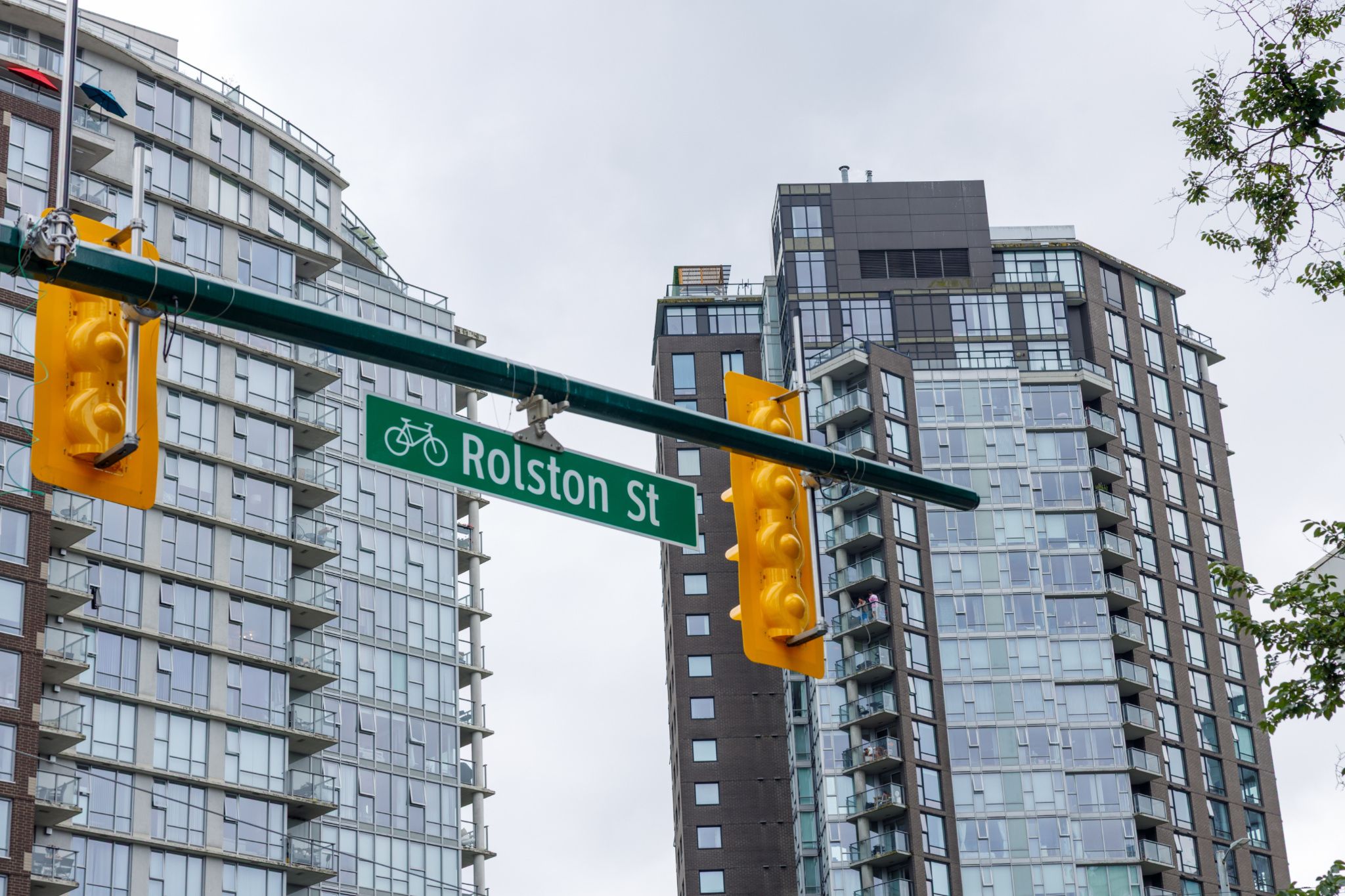
The declaration by New Westminster Mayor Patrick Johnstone that "Road deaths are not inevitable, but prevention requires more than just education of individual road users" is more than a local plea for road safety; it signals a fundamental shift in how urban centers are beginning to perceive risk and responsibility. The emphasis is moving from individual culpability to systemic design. This perspective, articulated during the Union of BC Municipalities (UBCM) convention in Vancouver, challenges the widely held notion that road fatalities are simply a byproduct of human fallibility.
Historically, the conversation around road safety has centered on driver education, pedestrian awareness campaigns, and enforcement of traffic laws. This approach, while not without merit, has largely ignored the underlying physical infrastructure that dictates how safely individuals can navigate urban environments. The call for a "coordinated system that includes safer street design" points to an acknowledgement that the built environment itself can either mitigate or exacerbate danger. For cities like Bangkok or Jakarta, which are grappling with rapid urbanization and high traffic volumes, this re-evaluation is critical. These cities often mirror the challenges seen in Metro Vancouver, albeit on a larger scale, where "new mobility devices change the way drivers, cyclists, and pedestrians navigate traffic." The integration of motorbikes, tuk-tuks, and burgeoning electric scooter fleets alongside traditional vehicles and pedestrians creates complex and often perilous traffic ecosystems. The question is not solely about individual road user behavior, but about whether the existing street architecture is designed to safely accommodate this diverse and dynamic mix.
The counterargument often suggests that significant infrastructural changes are prohibitively expensive and disruptive, particularly in densely populated and rapidly developing urban areas. It is argued that the immediate economic benefits of efficient traffic flow, even at the cost of some safety, outweigh the long-term, less tangible gains from redesign. Furthermore, the sheer scale of urban sprawl in many Asia-Pacific cities makes comprehensive overhauls seem insurmountable. However, this argument risks conflating cost with value. The economic toll of road deaths and injuries — including healthcare costs, lost productivity, and property damage — is substantial, even if not always immediately visible in municipal budgets.
The shift towards prioritizing systemic safety over individual blame is a more honest appraisal of the problem. It implies that the responsibility for creating safe public spaces falls not just on individual citizens, but on the planners and policymakers who shape the urban fabric. For Thailand and its regional neighbors, this means moving beyond fragmented efforts and embracing a holistic approach to urban planning. The lessons from Vancouver’s discussion, focused on design rather than merely deterrence, suggest that sustained reductions in road fatalities will only occur when the infrastructure itself is engineered for safety, acknowledging the full spectrum of road users and their interactions. This remains an unresolved tension for many Asia-Pacific cities, caught between the imperative for growth and the fundamental right to safe passage.
Sources
Newsletter
Pacific Daily
A curated briefing from Thailand, Asia-Pacific and the world.