The Margin of Safety: Assessing Unforeseen Costs in Public Spaces
A collision at Tsawwassen Mills Mall highlights the fragility of assumed safety in commercial zones.
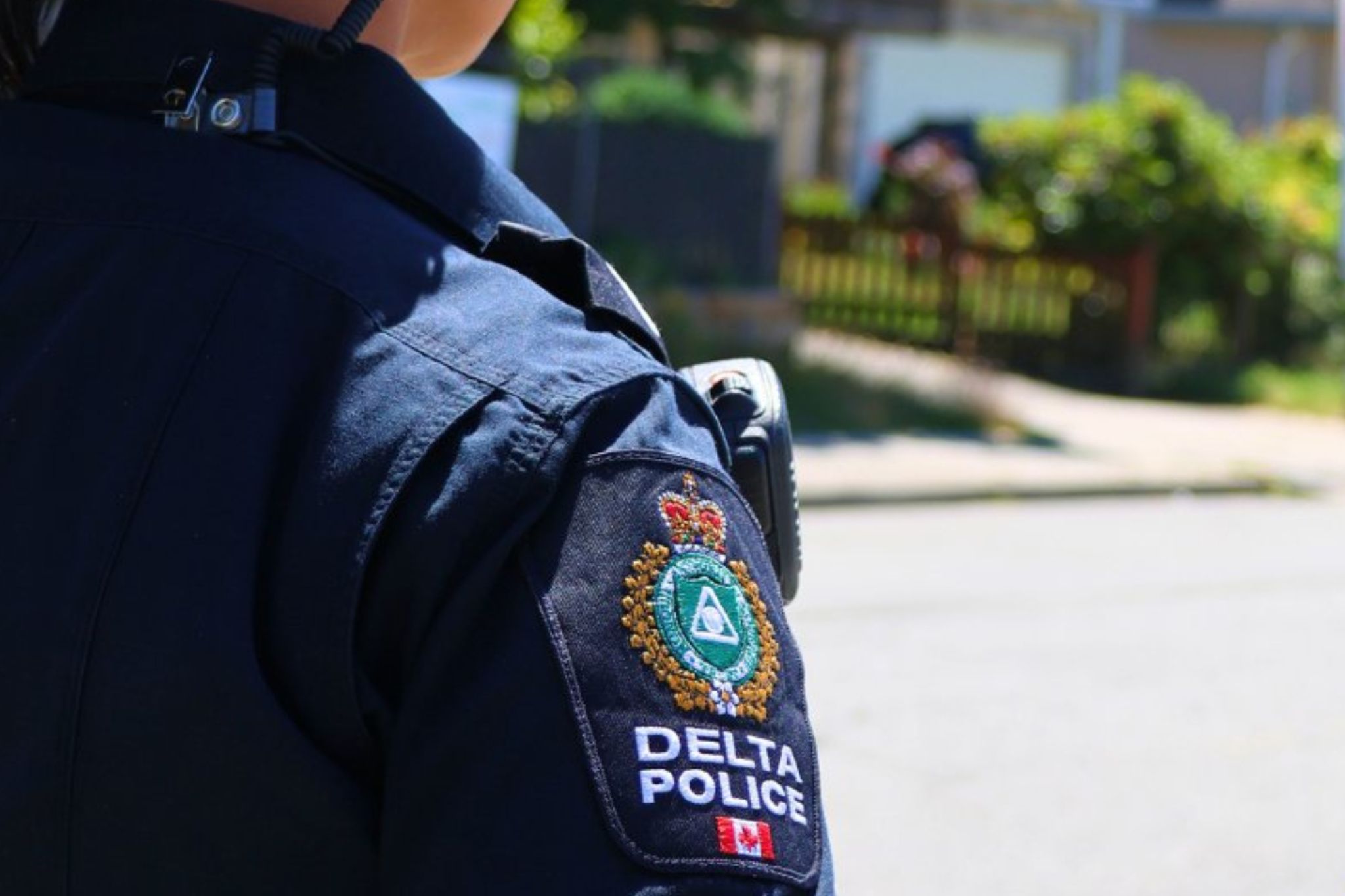
A fatal collision at Tsawwassen Mills Mall, where a vehicle struck four pedestrians, resulting in two deaths and two critical injuries, casts a stark light on overlooked vulnerabilities within public spaces. The Daily Hive Vancouver reported this incident, and while Delta Police Department investigators continue their work, not confirming a medical emergency as a contributing factor, the event compels an examination of the implicit safety margins individuals accept when entering commercial environments.
This event, though geographically distant, resonates with universal considerations. When a car becomes an instrument of fatal impact within a pedestrian-heavy area, immediate focus often rests on the driver's intent or condition. Delta Police have stated there is no information to suggest the collision was intentional. However, a more complex question persists regarding the design and operational standards dictating interaction between vehicles and people in zones intended for commerce and leisure.
The Tsawwassen Mills scenario underscores a tension between convenience and protection. Large retail complexes, mirroring those across Asia, are engineered for access and flow, often blending vehicular traffic with pedestrian paths. Specific layout details at Tsawwassen Mills are not available, yet the outcome suggests a failure in buffer zones or control mechanisms intended to separate these elements. Two individuals were pronounced dead at the scene, and two others airlifted to hospital in critical condition, indicating an immediate, severe failure of safety infrastructure.
Costs of such incidents extend beyond the immediate human tragedy. For families, the BC Coroners Service works alongside Delta Police to provide support, but for the wider public, a sense of security in familiar settings erodes. The financial margins of retailers, often thin, must also absorb indirect costs, from potential changes in foot traffic to increased insurance premiums, though these remain secondary to the human toll.
The challenge for urban planners and mall operators globally, including those designing the next wave of commercial hubs in the Asia-Pacific, involves balancing the economic imperative of accessibility with rigorous, preventative safety measures. What remains unresolved is how to engineer spaces where the unexpected—be it human error or unforeseen mechanical failure—cannot escalate to such a devastating degree, without impeding the very flow these spaces are designed to accommodate.
Sources
Newsletter
Pacific Daily
A curated briefing from Thailand, Asia-Pacific and the world.