The 'Arithmetic' of Public Health and Political Promises
A Surrey mayoral candidate's hospital plan highlights the resource allocation pressures facing rapidly growing urban centers, with lessons for Asia's developing metropolises.
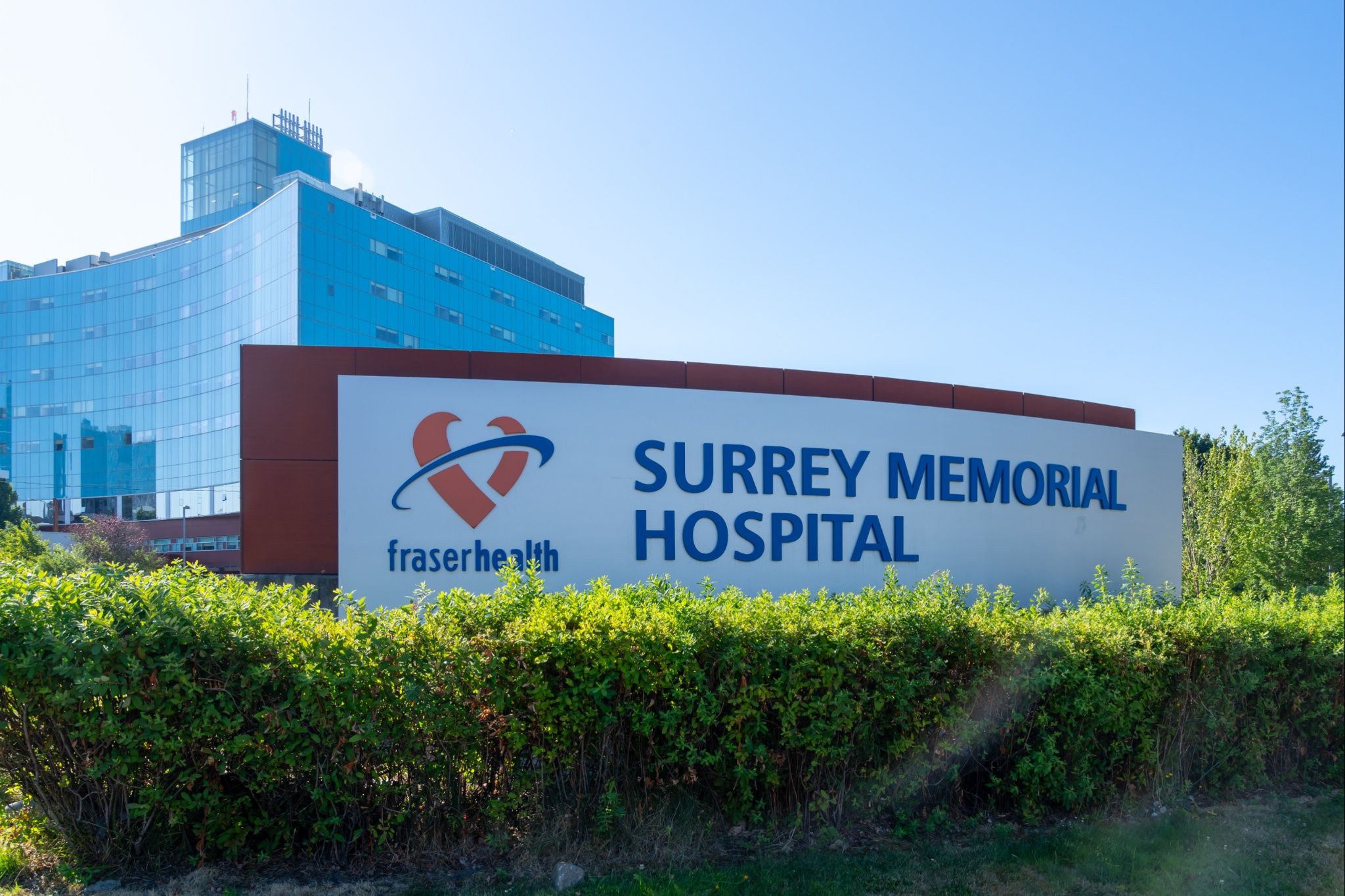
The announcement by Surrey mayoral candidate Doug McCallum, regarding a new full-service hospital for the city, frames a common tension. He asserted on 2026-09-21 that, if elected, he would build this facility on City-owned land at 6965 King George Boulevard in Newton, with his Safe Surrey Coalition promising to fast-track permits within 60 days. This proposal, positioned as a redirection of the municipal election, draws a stark comparison: 'The disparity Surrey lives with is not a matter of opinion; it is arithmetic. Vancouver and Surrey have roughly the same population, about 730,000 people each. Vancouver has six hospitals.' The claim is that Surrey, with a comparable population to Vancouver, requires an equivalent medical infrastructure. This numerical assessment of public need, however, overlooks the complex supply chain of healthcare delivery.
From a culinary perspective, one might consider the hospital as a complex dish. The ingredients — land, permits, and construction funding — are clear. The land in question was purchased by Surrey in October 2020. The Safe Surrey Coalition's stated intention to secure City permits within 60 days represents a streamlined process. However, the subsequent request for provincial and federal construction funding introduces a significant variable. Funding for such an undertaking is not a certainty, nor is its allocation solely dependent on local political will. The provincial and federal governments operate on their own budgetary cycles and priorities, which may or may not align with a municipal election promise. The margin that survives the plate, in this analogy, is the actual, functioning hospital, and its full cost is borne by multiple layers of government, not just the municipality making the initial claim.
McCallum's proposition implicitly assumes that the disparity in hospital count directly correlates to a disparity in public health outcomes or access to care for a population of 730,000. While the raw numbers suggest an imbalance, the operational reality of healthcare infrastructure involves far more than just the physical buildings. It requires a sustained supply of medical professionals, specialized equipment, and ongoing operational budgets. Securing the land and fast-tracking permits are foundational steps, but they are not guarantees of a fully staffed, functional facility. The immediate allocation of construction funding is an attributed claim that hinges on intergovernmental cooperation, not a standalone municipal decision.
For rapidly expanding urban centers across the Asia-Pacific, particularly in countries like Thailand, the 'arithmetic' of public services often confronts the qualitative realities of implementation. Cities like Bangkok or Chiang Mai grapple with burgeoning populations and increasing demands for services, yet the funding, expertise, and political consensus required to deliver major infrastructure projects remain complex. A mayoral candidate’s promise, while electorally compelling, must contend with a broader ecosystem of governance and resource availability. The challenge is not merely identifying a need or possessing land; it is ensuring the robust, long-term supply chain of funding, human capital, and political alignment required to transform a numerical disparity into an equitable public service.
The essential tension remains between a clearly articulated local need and the multi-jurisdictional financial and logistical commitments required to address it. The proposed hospital in Surrey represents a crucial ingredient, but the complete recipe for its realization is far from guaranteed. The question of who pays and who ultimately benefits from such a substantial public investment is one that extends far beyond a municipal election cycle, making the simple arithmetic of population versus facility count an insufficient measure of success.
Sources
Newsletter
Pacific Daily
A curated briefing from Thailand, Asia-Pacific and the world.